Summer golf can be fantastic until the heat starts winning. In states such as Florida, Texas, Arizona, and Georgia, a soaked polo, slippery glove, warm water, and overheated feet can ruin the back nine. I have learned that the right golf gear for playing in hot weather should improve airflow, move sweat, protect you from the sun, and help you stay hydrated.
What Should You Wear for Golf in Hot Weather?
1. Moisture-Wicking Performance Polos
Heavy cotton absorbs sweat and can stay damp. I prefer breathable golf shirts made from lightweight synthetic blends such as polyester or polyamide because they dry faster and manage moisture better. Four-way stretch and ventilated panels also help heat escape without restricting the swing, just as choosing the best golf travel bag for airline travel can make transporting gear more comfortable and practical.
2. Ventilated Golf Shorts or Pants
For golf clothes for hot weather, look for performance bottoms with mesh-lined pockets, perforated waistbands, and stretch construction. They improve ventilation while still looking appropriate at most US golf courses. If pants are required, choose lightweight performance trousers over heavier traditional fabrics.
3. UPF Golf Clothing
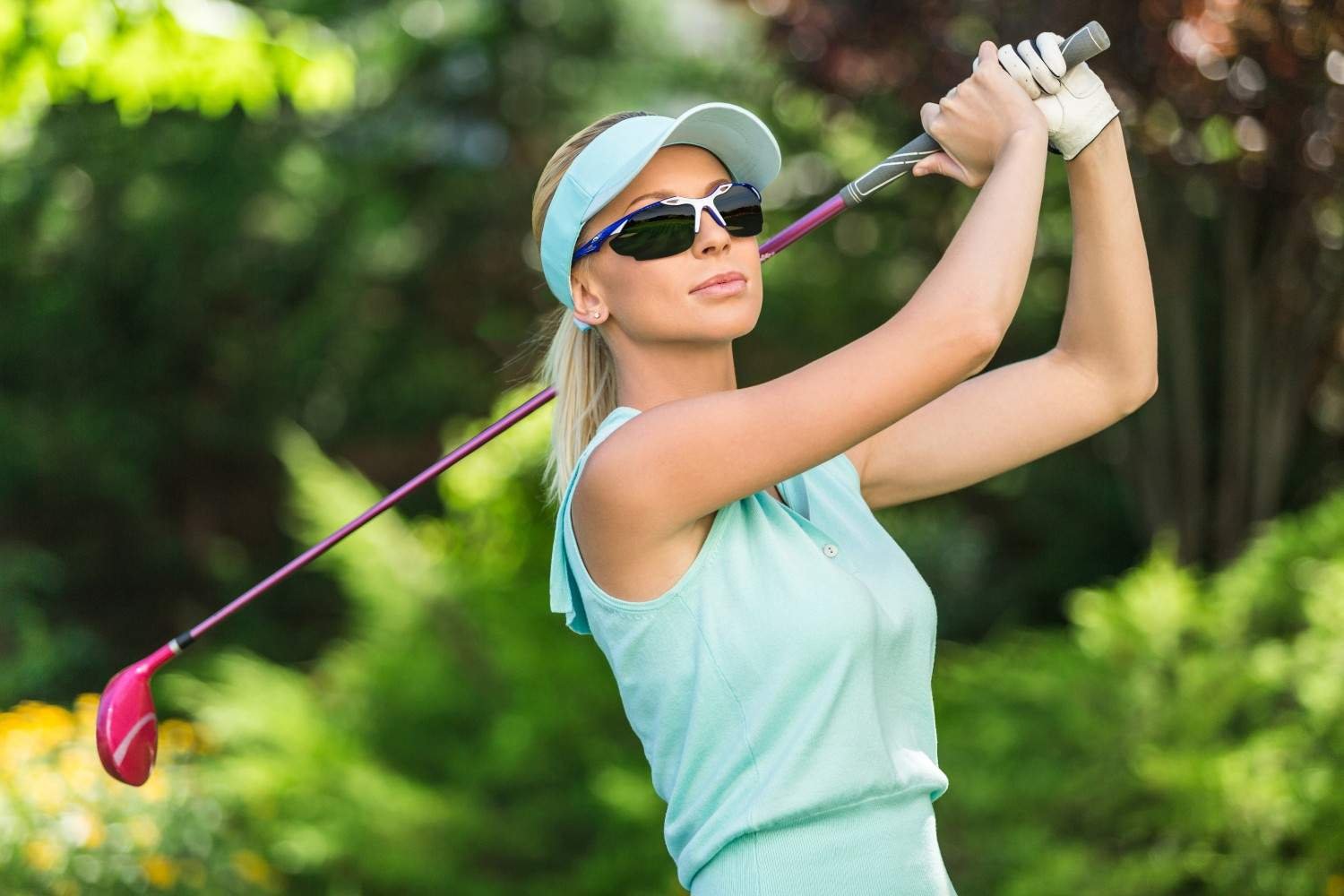
I look for UPF golf clothing rated UPF 30 or higher, with UPF 50+ a smart target for long rounds in intense sun. Sun sleeves can add coverage without heavy layering. Pair them with sunscreen on exposed skin for better golf sun protection.
Which Golf Accessories Help With Sweat and Grip?
4. Breathable Golf Gloves
Traditional premium leather gloves can become slick, saturated, or stiff when sweat builds up. In humid conditions, synthetic, microfiber, or hybrid summer golf gloves with mesh backings can maintain a more secure feel. Finger perforations improve airflow.
I carry two or three gloves and rotate them so each one can dry between holes.
5. A Separate Sweat Towel
I keep a small towel for my hands and face instead of using my club towel. Dry hands help maintain grip when humidity rises.
6. An Evaporative Cooling Towel
A cooling towel for golf is simple but useful. Evaporative mesh towels are designed to feel cooler after you soak them, wring them out, and, depending on the product, snap or shake them. I use one around my neck between shots.
What Sun-Protection Gear Is Worth Carrying?
7. A Wide-Brim or Bucket Golf Hat
A regular cap shades the face, but a wide-brim or bucket hat gives more coverage to the ears and neck. For a golf hat for sun protection, choose technical mesh or lightweight micro-poly material with a built-in sweatband.
8. Performance Golf Sunglasses
Golf sunglasses reduce glare on bright fairways and greens, especially during a heat wave. I favor lightweight frames that stay secure during the swing.
9. A UV Golf Sun Umbrella
A golf umbrella for shade is useful even when rain is nowhere in sight. Dedicated sun umbrellas may use silver, black, reflective, or UV-resistant canopy materials designed to reduce solar exposure. Some models are marketed as blocking up to 99 percent of UV rays, while the shade beneath the canopy can feel several degrees cooler than direct sun.
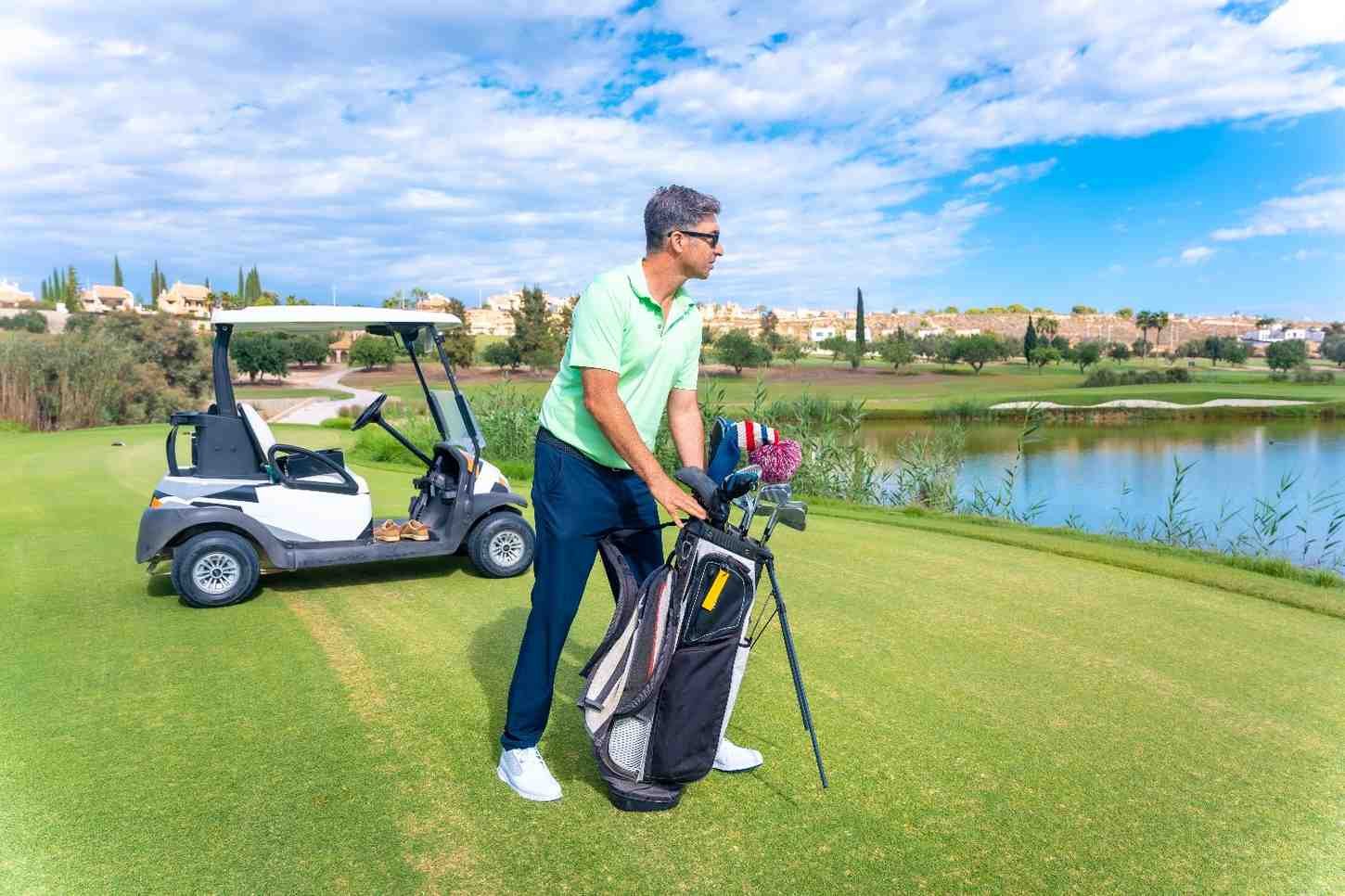
This works especially well with a push cart and umbrella holder.
What Golf Hydration Gear Should You Bring?
10. An Insulated Water Bottle
An insulated bottle is practical golf hydration gear because it keeps water colder longer. I fill mine before leaving home instead of depending entirely on course water stations.
11. Electrolytes for Long, Sweaty Rounds
Water should remain the foundation of hydration, but electrolyte tablets, powders, or drinks can be useful during long, sweaty rounds. Packets take little room and mix easily when needed.
What Are the Best Golf Shoes and Socks for Summer?
12. Breathable Golf Shoes With Moisture-Wicking Socks
Breathable golf shoes matter when walking 18 holes. Lightweight uppers, mesh zones, and ventilated construction can reduce the hot, damp feeling inside heavier footwear. Pair them with moisture-wicking golf socks made from performance synthetics or merino blends instead of thick cotton.
Waterproof shoes help after summer storms, but some feel warmer than ventilated dry-weather models.
How Should You Pack Your Golf Bag for Extreme Heat?
When I pack for playing golf in extreme heat, I organize around problems. Extra gloves and a towel handle sweat, while the best golf gloves for rainy weather can also be useful when humidity, sudden showers, or wet grips become an issue. UPF clothing, sunscreen, sunglasses, a hat, and an umbrella manage sun exposure. A cooling towel adds relief, while cold water and electrolytes support hydration.
That keeps my summer golf gear practical and light.
What Should You Avoid Wearing During a Hot Round?
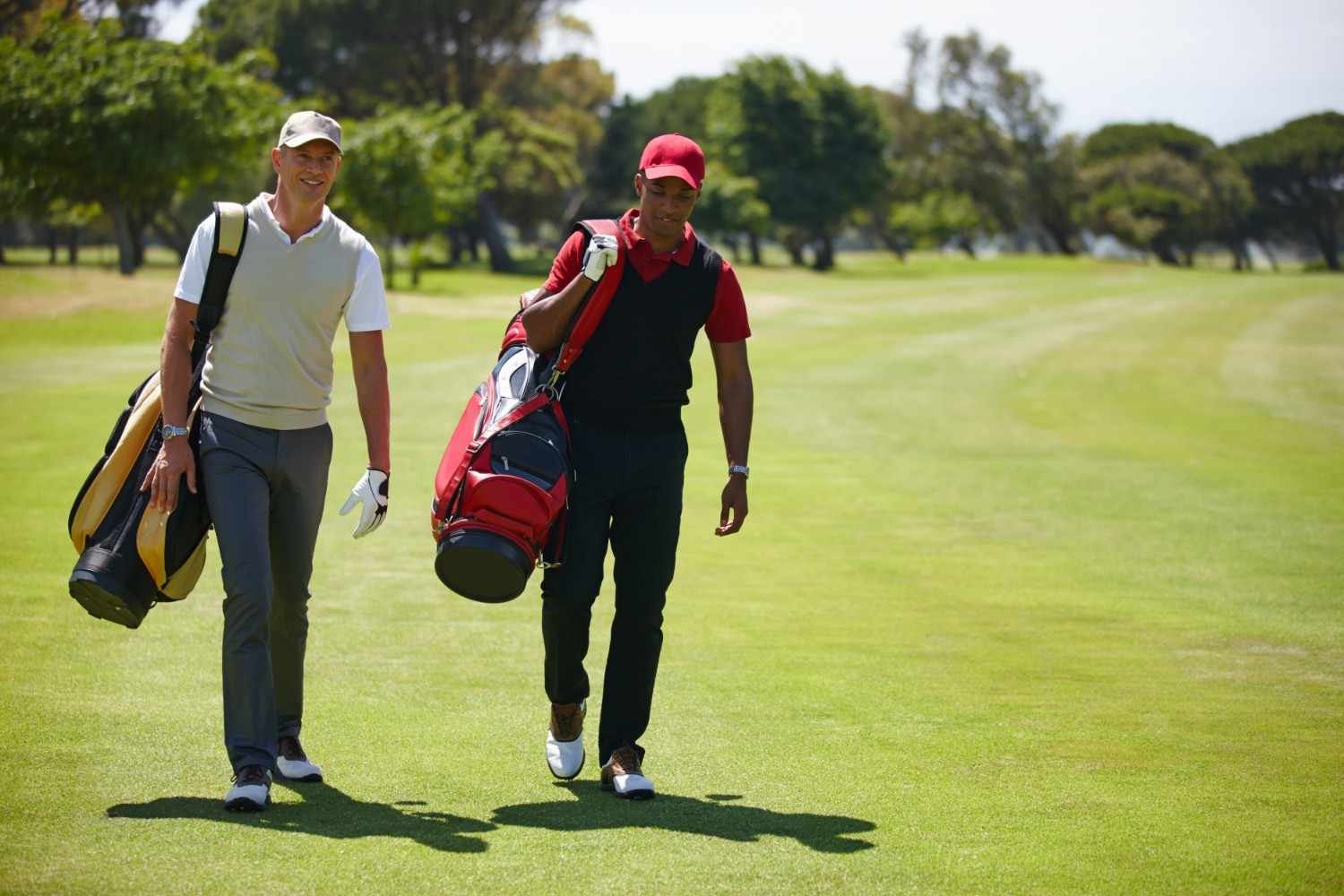
Avoid heavy cotton shirts, thick socks, poorly ventilated shoes, and restrictive clothing. Cotton can hold moisture once wet, while bulky fabrics may trap heat. I also avoid relying on one leather glove in humid weather; rotating gloves helps keep the grip drier.
Frequently Asked Questions (FAQs)
1. What is the most important golf gear for playing in hot weather?
Start with moisture-wicking clothing, UPF protection, an insulated water bottle, extra gloves, a cooling towel, a breathable hat, and ventilated footwear. These hot weather golf essentials address the biggest comfort problems without overloading your bag.
2. What should I wear golfing when it is 90 degrees?
Choose a lightweight performance polo, breathable shorts or pants, moisture-wicking socks, ventilated shoes, sunglasses, and a light hat. UPF-rated clothing adds useful coverage in direct sunlight.
3. Are leather or synthetic golf gloves better in hot weather?
Leather offers excellent feel, but sweat can reduce comfort and grip. Synthetic, microfiber, or hybrid gloves with mesh and perforations are often easier to manage in humid conditions.
4. Is a golf umbrella useful when it is not raining?
Yes. A sun-oriented umbrella can create portable shade on exposed fairways, particularly for golfers walking with a push cart.
Staying Comfortable From the First Tee to the 18th Green
I enjoy summer golf much more when I prepare before the first tee. A strong hot-weather setup combines airflow, sweat control, sun protection, hydration, and dependable grip.
Start with performance clothing, breathable gloves, cooling accessories, cold water, and ventilated footwear, then add gear based on your climate and whether you walk or ride. Even smaller equipment choices matter, from deciding plastic vs wooden golf tees which is better to carrying enough towels and spare gloves for humid conditions.
Good preparation lets me focus on playing instead of simply surviving the heat.