Golf tees are small, but the right one can make my setup more repeatable. The question plastic vs wooden golf tees which is better comes down to priorities. Plastic usually wins for durability and consistent height, while wood appeals to golfers who prefer tradition, low upfront cost, and less persistent waste.
I would not expect material alone to transform distance. Tee height, centered contact, and launch matter far more.
Are Plastic Golf Tees Better for Durability and Value?
If I want one tee to survive multiple drives, I usually reach for plastic. Many plastic tees flex or bend instead of snapping, so one tee may last an entire round or longer. That also means I can carry fewer replacements.
Plastic costs more upfront, but repeated use can make it economical over a season. Step tees, molded ribs, and height markers also help me repeat ball height. Golf Monthly’s 2026 tee guide highlights durability, height markers, sustainability, and consistency as key buying considerations.
Do Low-Friction Plastic Tees Add Distance?
Some plastic tees use prongs, brush tops, or low-friction designs to reduce contact with the ball. I would not buy them expecting instant extra yards.
Golf Digest’s robot testing found no meaningful reason to assume that switching from a thick rubber tee to a wooden tee creates a major performance advantage, while separate testing showed tee height can affect distance. I would focus more on strike quality, launch, spin, and driver fit.
Why Do Golfers Still Choose Wooden Golf Tees?
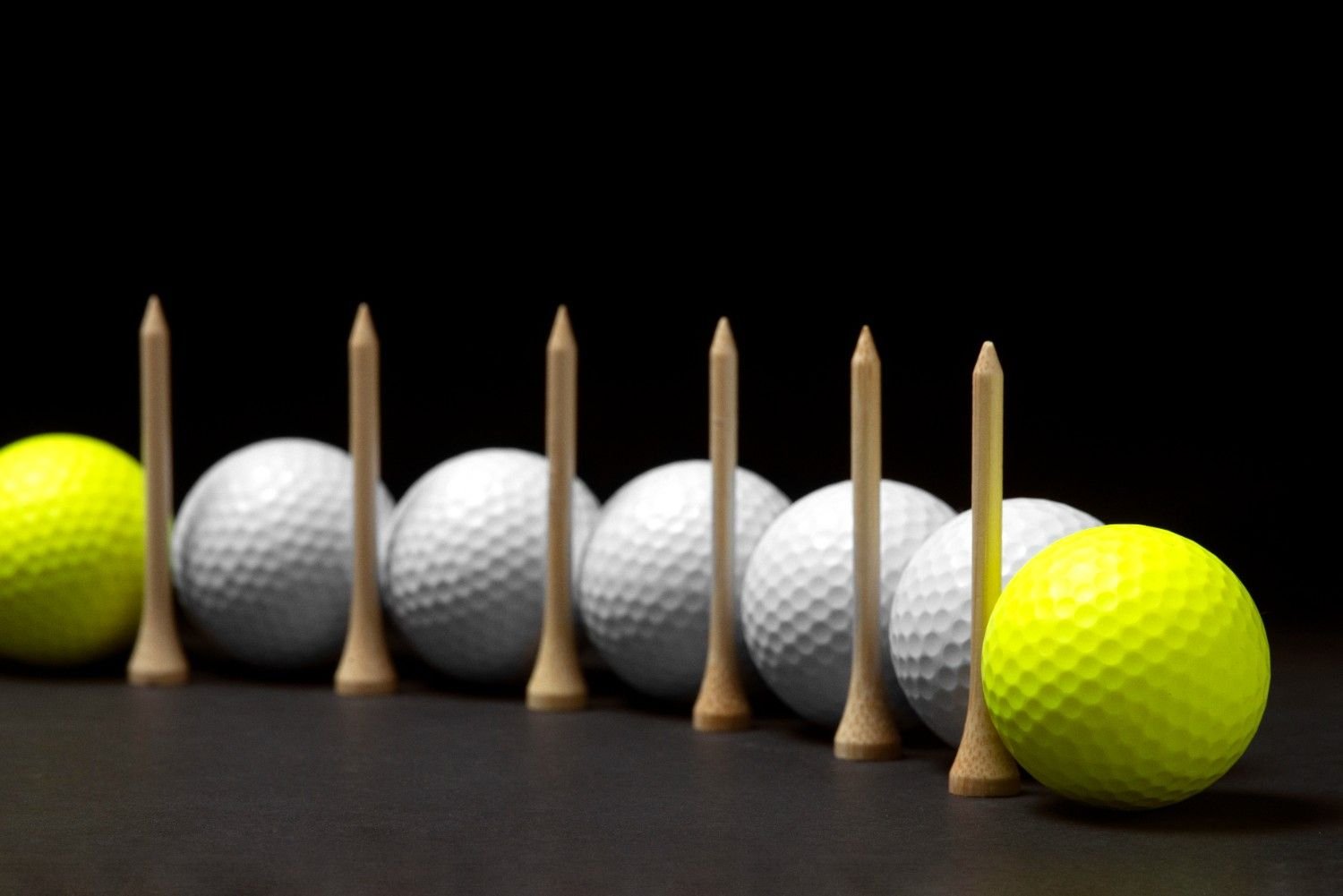
Wooden tees remain popular because they are simple, inexpensive, familiar, and easy to find across the United States. I also like their traditional look and crisp snap after a solid drive. Just as I choose the best golf gloves for rainy weather when conditions turn wet, I choose my tee material based on the situation and personal preference.
The main weakness is durability. Wooden tees can break after one swing, especially with a driver or on firm tee boxes, so I may use several during 18 holes.
Are Wooden Golf Tees More Eco-Friendly?
Natural wood and bamboo can break down more readily than conventional plastic, which appeals to golfers trying to reduce persistent litter. Still, paint, coatings, packaging, and manufacturing also affect environmental impact.
Bamboo golf tees are a useful alternative. They keep the familiar shape and feel of wood while using a fast-growing natural material. Golf Monthly has also highlighted bamboo as a popular alternative to plastic.
Can Plastic Tees Scratch Drivers or Cause Course Problems?
I would not describe normal plastic tees as dangerous to a modern driver. They can sometimes leave residue or minor cosmetic marks, but ordinary use should not be treated as a major club-damage risk.
Wood breaks more readily on impact, which some golfers prefer. Broken plastic pieces can also remain around tee boxes longer and create extra cleanup, so I pick up broken tees whenever practical.
That matters beyond appearance. Golf course maintenance crews already have enough debris to manage around heavily used teeing areas. Whether I use plastic or wood, collecting broken pieces is simple golf etiquette and helps keep mower paths and playing areas cleaner.
Does Tee Height Matter More Than Tee Material?
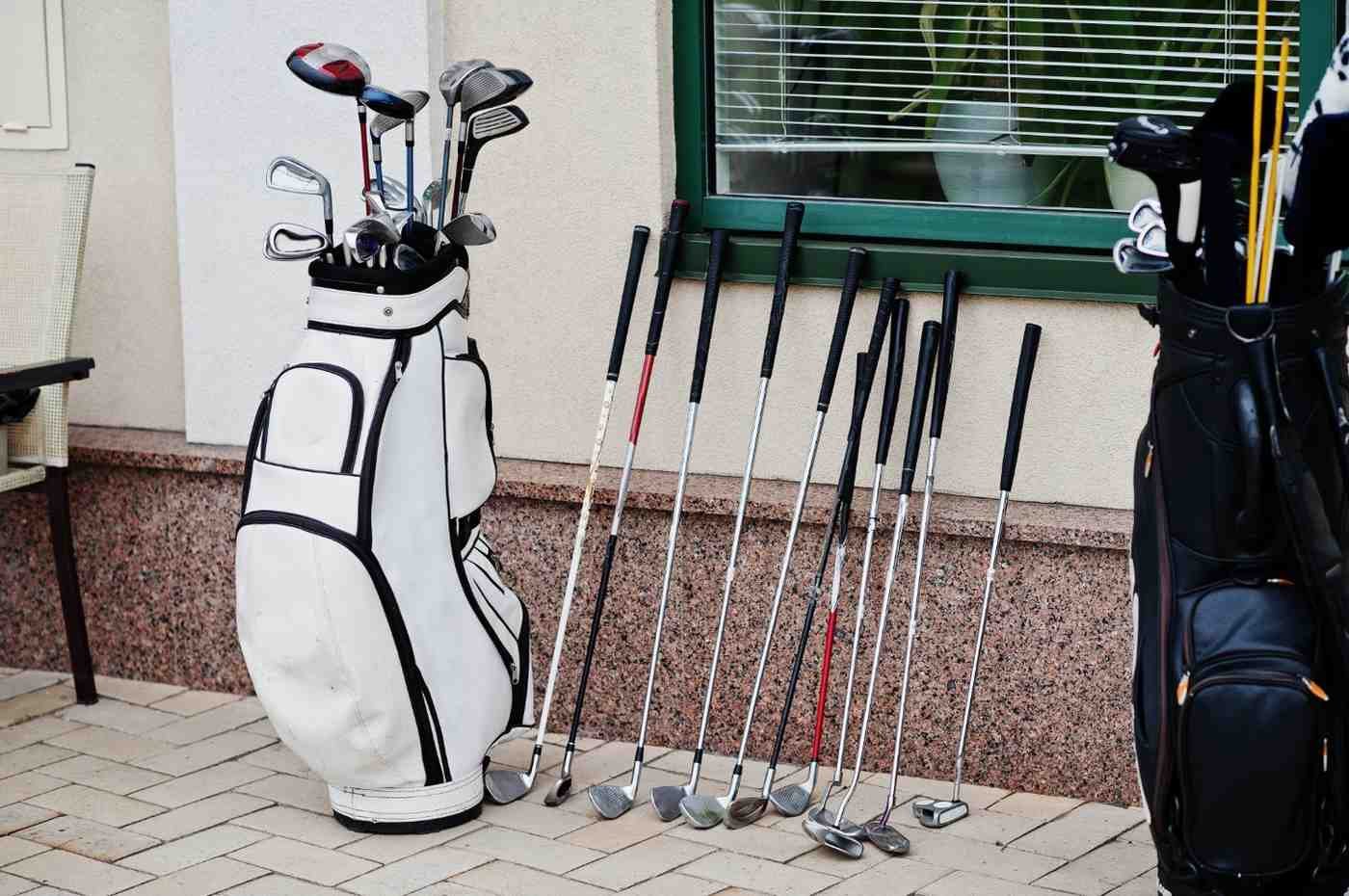
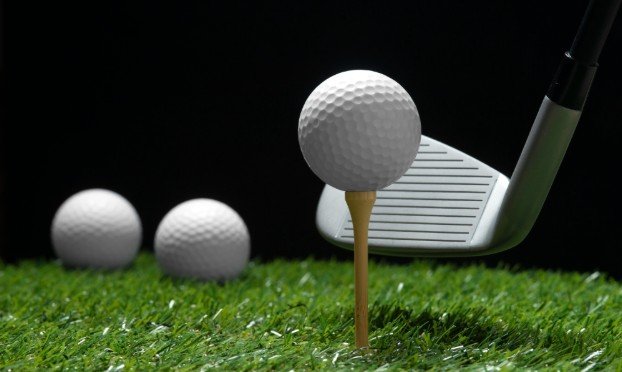
For performance, I think it often does. Tee height changes where the ball meets the driver face and can influence launch conditions. Golf Digest’s robot test found that higher teeing produced more distance on average, although poorer swings also created larger misses.
A stepped plastic tee makes height easy to repeat, but a wooden tee works just as well if I insert it consistently. In the same way, choosing the best golf glove for sweaty hands can improve comfort and control, but it does not replace solid swing fundamentals.
That is an important distinction when comparing golf tee performance. Tee material, tee design, and tee height are three different variables. A golfer should not assume a plastic tee automatically produces more distance simply because it has a modern design.
Are Plastic and Wooden Golf Tees Legal Under USGA Rules?
Standard plastic and wooden tees are generally legal if they meet the USGA Equipment Rules. A tee cannot exceed four inches, indicate the line of play, unduly influence ball movement, or otherwise assist the player in making a stroke.
That means ordinary wood, bamboo, and plastic golf tees sold through reputable US golf retailers are usually straightforward choices. Golfers using unusual specialty designs in competitive play should confirm that the tee conforms before an event.
Which Golf Tee Is Better for Beginners and Practice?
For beginners, I care more about a repeatable setup than material. A marked or stepped plastic tee can make driver height easier to reproduce, while wooden tees remain inexpensive and perfectly effective.
For repeated outdoor practice, I usually choose plastic because it lasts longer. At ranges with fixed rubber tees, the comparison may not matter.
Which Tee Is Better for a Beginner Golfer?
For a new player asking plastic vs wooden golf tees which is better, I would choose marked plastic for easy height consistency or wood for simplicity and low cost. Neither replaces good fundamentals, so I would focus more on ball position, contact, and a repeatable setup.
Beginners also do not need expensive specialty tees. Standard golf tees can do the job while a player develops a consistent driver swing.
Which Golf Tee Should You Choose?
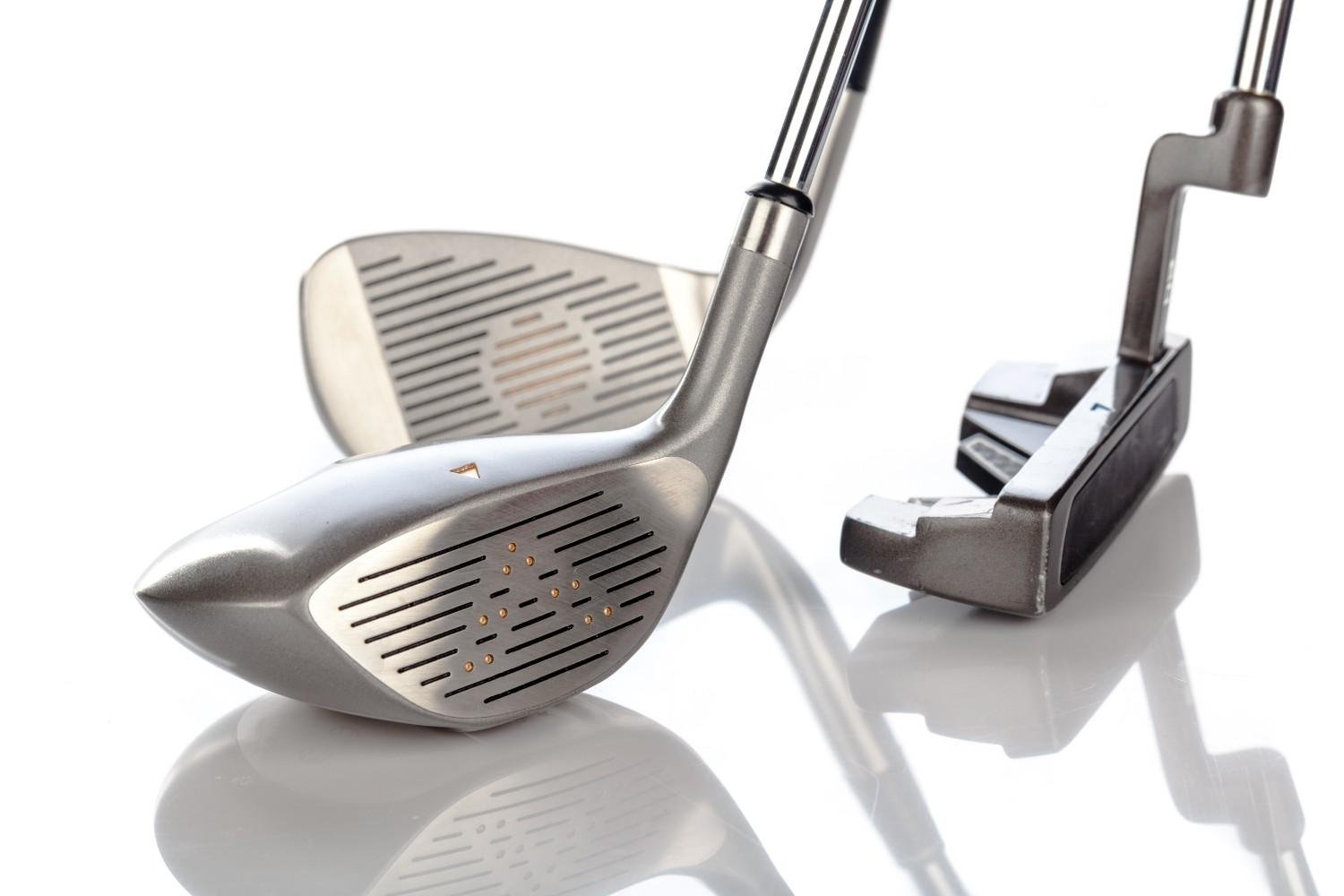
When I compare plastic vs wooden golf tees which is better, I do not see one universal winner. Plastic is my pick for durability, reuse, consistent height, and long practice sessions. Wood is a strong choice for tradition, low upfront cost, and a tee that gives way easily at impact.
Plastic can also be more cost-effective for golfers who play several times per month because the same tee may survive multiple rounds. Wooden tees cost very little individually, but frequent breakage means I need to replace them more often. The same practical mindset applies to other gear decisions, such as knowing how often should you replace a golf glove based on wear, grip, and playing frequency.
If sustainability matters most, I would also consider bamboo. If performance matters most, I would focus on tee height, centered contact, launch, and driver fit before expecting material alone to add meaningful distance.
Frequently Asked Questions (FAQs)
1. Do Plastic Golf Tees Last Longer Than Wooden Tees?
Usually, yes. Plastic commonly bends or flexes instead of breaking, so one tee can survive multiple holes or rounds. Durability is the clearest advantage plastic has over traditional wood.
2. Do Wooden Tees Protect Golf Clubs Better?
Wooden tees break more easily on impact, which some golfers prefer. Normal plastic tees are also generally suitable for modern clubs, although minor cosmetic marks or residue can sometimes appear.
3. Do Plastic Golf Tees Go Farther Than Wooden Tees?
Not automatically. Specialty low-friction designs may reduce contact with the ball, but material alone is unlikely to create a dramatic distance increase. Tee height, launch conditions, strike location, and clubhead speed matter far more.
4. Are Bamboo Golf Tees Better Than Wood or Plastic?
Bamboo is a strong alternative for golfers who want a natural material and traditional feel while reducing reliance on conventional plastic. It may still break, so golfers looking purely for maximum durability may prefer plastic.
Final Take
I choose tees based on convenience rather than marketing hype. Plastic makes sense when I want durability, long-term value, and repeatable height. Wood works when I want affordability, tradition, a familiar feel, and a tee that breaks readily after impact.
Neither material will fix a poor swing. For most everyday golfers, correct tee height and consistent contact matter far more than whether the tee under the ball is plastic or wood. The best golf tee is the one that fits my priorities and then gets out of the way.