
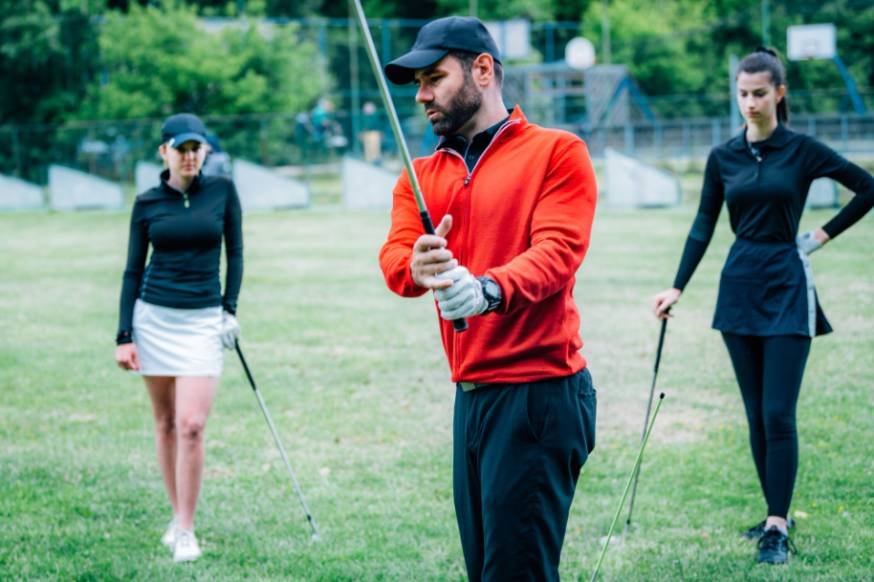
A frosty Minnesota morning, a wet Oregon fairway, or a windy January round in the Northeast can test your hands, feet, grip, and concentration. I have found that the right essential golf gear for playing in cold weather makes a round far more comfortable without sacrificing mobility.
My goal is to stay warm and dry while keeping my swing natural, so I favor lightweight layers and winter-specific accessories over one bulky coat.
What Should You Wear for Golf in Cold Weather?
I start with a three-layer system because it lets me adjust as temperatures change.
Choose a Moisture-Wicking Compression Base Layer
A fitted compression or thermal golf base layer helps retain warmth while moving moisture away from the skin. I prefer a thermal top with leggings or thermal bottoms. The fabric should stretch freely through the backswing.
Performance synthetics and merino blends are generally better winter choices than clothing that stays damp after you sweat.
Add a Flexible Mid-Layer
A fleece pullover, quarter-zip, or lightweight insulated vest provides warmth without excessive bulk. A vest works especially well because it warms my core without loading up my arms.
The best cold weather golf clothing should provide insulation without noticeably changing the way you turn, extend, or finish the swing.
Finish With a Windproof and Waterproof Shell
A lightweight waterproof golf jacket protects against cold wind, drizzle, and unexpected rain. It should stretch through the shoulders. Heavy puffer jackets may feel warm, but too much bulk can restrict rotation.
Are Thermal Golf Pants Worth It?
Lined winter golf trousers or thermal golf pants add useful insulation. I may also wear thermal leggings under normal golf pants, with waterproof overpants when the course is wet.
That combination is particularly useful on cold-season courses where damp rough and saturated grass can soak standard golf slacks.
How Do You Keep Your Hands Warm While Golfing?
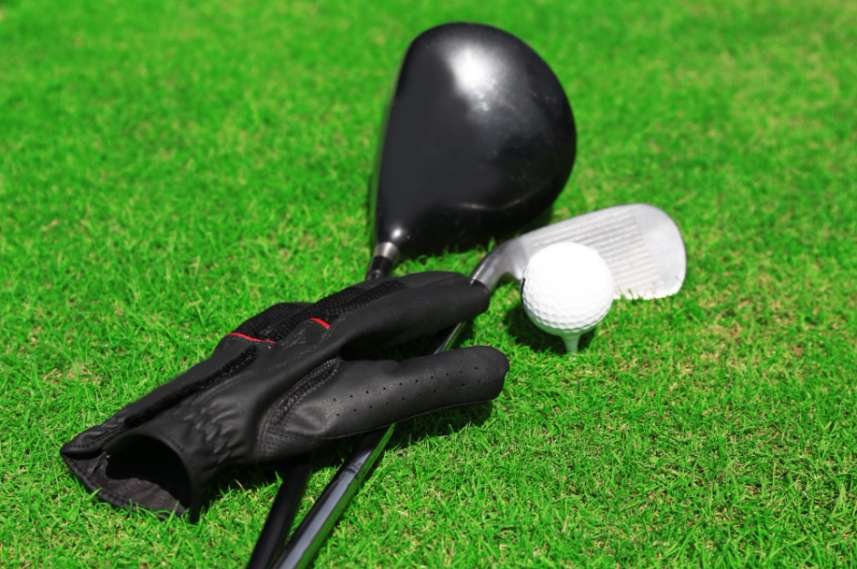
Cold fingers can affect feel and grip pressure. Paired winter golf gloves provide more insulation than a standard glove.
I also carry cart mittens or fleece-lined mittens. They slip on between shots and come off quickly before I swing. Rain gloves help when winter weather turns wet and maintaining grip becomes more difficult.
For extra warmth, I use air-activated or rechargeable electronic golf hand warmers. Keeping one in each pocket makes it easy to warm my fingers between shots.
What Should You Wear on Your Head and Neck?
A fleece beanie, winter golf hat, or thermal bucket hat protects my head and ears, while a fleece snood or neck gaiter protects my neck.
These winter golf accessories take little bag space, so I keep them available even when temperatures are expected to rise later in the round.
Do Waterproof Golf Shoes and Thermal Socks Matter?
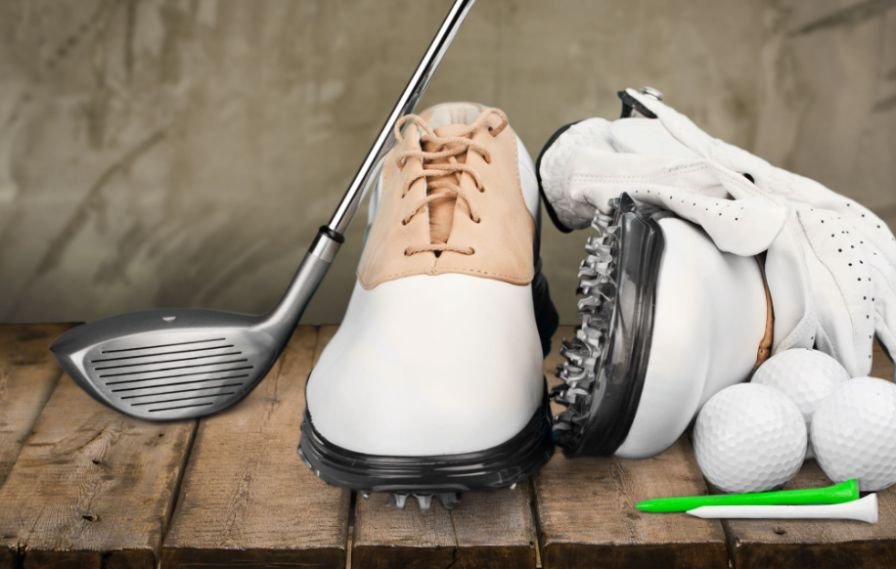
Waterproof golf shoes are among my highest-priority winter golf essentials because wet feet can ruin a cold round quickly. I pair them with merino wool socks or thermal golf socks.
One moisture-managing pair usually works better than several thick pairs that make shoes tight. Traction also matters on wet or partially frozen turf.
Should You Use Low-Compression Golf Balls in Cold Weather?

Cold conditions can reduce carry because colder air is denser and creates more drag, while a cold ball may also feel firmer. A softer, low-compression golf ball will not eliminate winter distance loss, but some golfers prefer its softer feel.
High-visibility golf balls can also be easier to find against dormant grass, leaves, gray skies, or frost. They are particularly useful during late-fall rounds when leaves make white balls harder to spot.
What Other Cold Weather Golf Gear Should Be in Your Bag?
I carry an extra golf towel because mud and wet grass collect on golf balls and clubfaces quickly. A club brush helps clean grooves, while a rain hood protects the top of the bag. I also pack a compact umbrella and spare gloves.
A thermal flask with hot coffee, tea, or broth can make a long round more comfortable, especially when I am riding.
These simple additions may not affect the swing directly, but they make winter rounds much easier to manage.
What Should You Wear Golfing in 40-Degree Weather?
For golfing in 40 degree weather, I usually combine a thermal base layer, flexible quarter-zip or vest, windproof shell, warm socks, waterproof shoes, and winter golf gloves. I would rather remove a layer later than start the round cold.
I expect the ball to carry a little shorter, so I consider taking more club instead of swinging harder. I also use a longer warm-up before the first tee. Gradually increasing the speed of practice swings feels much better than immediately trying to make a full driver swing with cold muscles.
Cold conditions also make preparation, energy, and concentration more noticeable during a round, which is why I pay attention to how golf lifestyle habits influence health focus and performance alongside my clothing and warm-up routine.
Is Walking or Riding Better for Cold-Weather Golf?
Walking can help me generate body heat between shots. Riding exposes me to more wind while I sit still, so I usually carry an extra outer layer, cart mittens, and hand warmers when using a golf cart.
The better choice depends on temperature, wind, ground conditions, and personal comfort.
Cold weather can add time for changing gloves, cleaning clubs, and managing extra layers, so knowing what is a good pace of play in golf helps me stay comfortable without unnecessarily slowing the groups behind me.
What Cold-Weather Golf Mistakes Should You Avoid?
The first mistake is wearing so much clothing that the swing changes. Thin, flexible winter golf clothes usually work better than one oversized coat.
I also avoid neglecting my hands and feet, carrying only one towel, or assuming normal summer distances. Winter preparation should account for grip, traction, wet equipment, visibility, ball flight, and warm-up time.
Cold-weather rounds can also involve more walking gear and extra layers in the bag, so choosing the best golf bag for carrying without back pain can make carrying those winter essentials more comfortable over 18 holes.
Frequently Asked Questions
1. What is the essential golf gear for playing in cold weather?
A complete setup includes a thermal or compression base layer, flexible mid-layer, waterproof shell, thermal pants, winter golf gloves, cart mittens, hand warmers, waterproof golf shoes, thermal socks, a beanie or winter hat, neck gaiter, extra towel, club brush, rain hood, umbrella, thermal flask, and suitable golf balls.
2. Are Winter Golf Gloves Worth Buying?
Yes. They help keep both hands warmer and can make it easier to maintain comfortable grip pressure when temperatures fall.
3. Can You Play Golf in a Puffer Jacket?
You can, but I prefer a slimmer golf-specific jacket or vest because bulky outerwear may interfere with shoulder and arm movement.
4. Should You Change Golf Balls in Winter?
You do not have to. Some golfers prefer softer or low-compression golf balls for feel, while high-visibility balls can be easier to track in winter conditions.
Final Thoughts
I enjoy winter golf much more when I prepare for the conditions instead of simply adding another sweater.
For me, choosing essential golf gear for playing in cold weather comes down to flexible layers, warm hands, dry feet, reliable rain protection, clean equipment, and realistic distance expectations. Add practical extras such as cart mittens, a thermal flask, spare gloves, and a high-visibility ball, and a cold round becomes far easier to enjoy.