
If I were shopping for the best golf balls for slow swing speed, I would start with soft feel, efficient launch, manageable driver spin, and a construction that matches what I need around the greens. Golfers swinging a driver below roughly 90 mph often gravitate toward low-compression balls because they feel easier to compress and provide a softer sensation at impact. However, I would not automatically assume that the lowest compression rating produces the longest shot.
That distinction matters. MyGolfSpy’s 2025 testing at an 85-mph driver speed found that a relatively firm Callaway Chrome Tour Triple Diamond produced the longest driver distance in its low-speed test. That tells me compression is important, but ball speed, launch, spin, aerodynamics, and overall construction must also be considered.
What Golf Ball Features Are Best for a Slow Swing Speed?
For many recreational golfers, seniors, beginners, and moderate-speed players across the United States, a softer low- or moderate-compression ball is still an excellent starting point.
A compression rating below about 60 can deliver the cushioned feel many slower swingers prefer. Wilson Duo Soft, for example, carries a compression rating of 37 and uses a two-piece Surlyn construction designed for distance, straight flight, and ultra-soft feel.
I also look closely at driver spin. Excessive spin can cost distance and exaggerate curvature, while a properly designed low-spin core can help create a more penetrating, predictable flight. Bridgestone specifically uses soft-core and low-spin concepts in models aimed at producing straighter, longer tee shots.
High-launch dimple and aerodynamic designs matter too. A slower golfer who launches the ball too low may gain more from improved trajectory and carry than from choosing an extremely soft ball simply because of its compression number.
Best Overall: Titleist Tour Soft
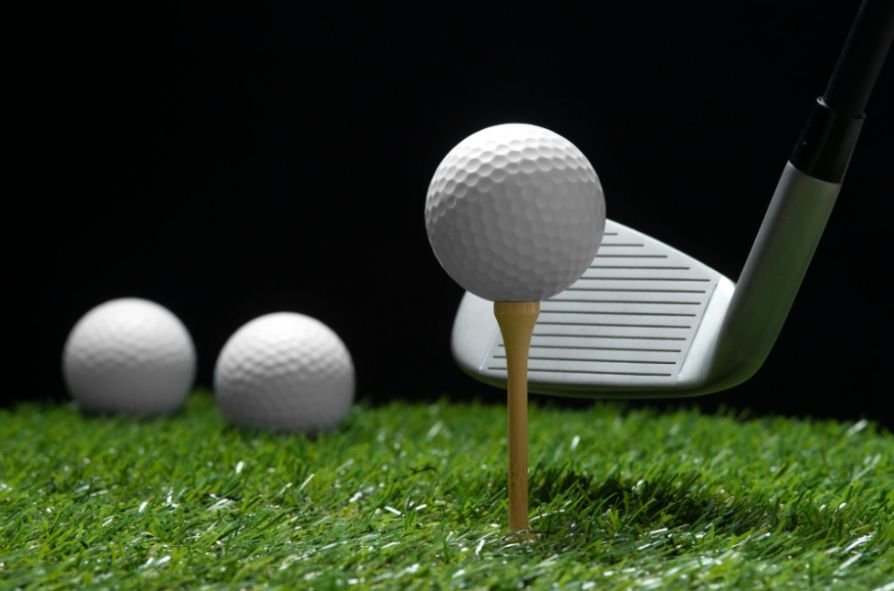
For an all-around performer, I would start with Titleist Tour Soft.
Titleist redesigned the 2026 Tour Soft from core to cover to provide longer distance, more consistent flight, increased stopping power, and its characteristic soft feel.
I like this combination for golfers who want help from the tee without sacrificing too much performance on approach shots. It is particularly attractive for mid-handicappers who want soft feedback but expect one ball to perform through the entire bag.
Best Low-Compression Ball: Wilson Duo Soft
If my biggest priority were an extremely soft feel, Wilson Duo Soft would be one of my first choices.
Its 37 compression, two-piece construction, and Surlyn cover make it a natural fit for golfers who want a soft sensation, durability, straight flight, and uncomplicated distance performance.
This is also the type of ball I would consider for seniors, beginners, or higher-handicap golfers who value affordability and comfortable impact feel more than maximum wedge spin.
Best High-Launch Ball: Bridgestone e12 HiLaunch
Not every slower swinger needs a softer ball simply to make impact feel better. Some need help getting the ball airborne.
Bridgestone’s e12 HiLaunch uses a low-compression soft core and is specifically designed to increase initial launch and carry distance. Bridgestone also states that HiLaunch has the lowest compression among its three e12 flight models.
If my drives came out low and lost carry early, I would test this before automatically chasing an even lower compression number.
Best Premium Option for Greenside Spin: Bridgestone Tour B RXS

Golfers with moderate clubhead speed do not have to give up premium short-game control.
Bridgestone positions the Tour B RXS as a low-compression model for swing speeds under 105 mph and designs it for golfers seeking additional spin. Its construction makes it particularly interesting for players who want softer feel and stronger stopping power around the green.
This is where urethane becomes valuable. Compared with many inexpensive ionomer balls, urethane models generally emphasize greater short-game spin and control, although the exact performance varies significantly by model. MyGolfSpy’s testing similarly found that ionomer balls tend to dominate the lower-spin end of the spectrum.
Best Value Distance Ball: Callaway Warbird
If I regularly lose balls or simply want maximum value from a distance-oriented design, Callaway Warbird deserves consideration.
Callaway uses an extra-large, high-energy core with a two-piece construction, while its HEX Aerodynamics are designed to encourage high launch and long carry.
That combination suits beginners and recreational golfers who want useful distance without paying premium urethane-ball prices.
Is Low Compression Always Better Below 90 MPH?
This is the biggest misconception I would clear up before buying.
A softer core can provide better feel and may produce a launch profile that works extremely well for slower golfers. It can also make impact feel less harsh. However, saying a hard golf ball simply cannot compress properly below 90 mph is too absolute.
Modern golf balls respond differently because manufacturers combine core firmness, mantle layers, covers, dimple patterns, and aerodynamic designs in different ways. MyGolfSpy’s low-speed testing is a good example: one of the firmer tour balls generated exceptional driver distance at 85 mph.
I therefore use compression as a fitting clue, not as a rigid rule.
Surlyn, Ionomer or Urethane: Which Cover Should You Choose?

If distance, durability, and price matter most, I would lean toward Surlyn or another ionomer cover. These materials are common on two-piece distance balls and can help deliver durable performance while keeping costs manageable.
If I wanted more greenside spin and stopping power, I would consider urethane. Multi-layer golf balls can also separate performance characteristics more effectively, allowing manufacturers to pursue speed off longer clubs while generating additional spin on shorter shots. Callaway’s golf-ball guidance notes that multi-layer constructions can offer high iron launch and additional greenside spin.
The right material therefore depends on whether I lose more strokes from lack of distance or lack of short-game control.
What Performance Benefits Should Slow Swingers Expect?
A properly fitted ball can help produce more useful carry by combining ball speed with an appropriate launch window. High-launch designs may keep shots airborne longer, while lower driver spin can help some golfers reduce excessive curvature.
Soft constructions can also improve feel and feedback. Instead of the firm sensation some players dislike, a lower-compression ball can feel more cushioned through the driver, irons, wedges, and putter.
Golf-ball fitting can improve how efficiently you use your existing speed, while physical conditioning may help you maintain that speed over time. A bodyweight workout for golfers over 50 can strengthen the legs and core, improve balance, and support the rotational movement used throughout the golf swing.
I would still judge performance on the course rather than assuming every “soft” label guarantees more distance.
Frequently Asked Questions
1. What compression golf ball should I use with an 80 mph swing speed?
I would begin by testing low- to moderate-compression models, then compare actual launch, carry, driver spin, feel, and short-game control. A ball around or below 60 compression can be a useful starting point, but it should not become an absolute requirement.
2. Are low-compression golf balls better for seniors?
They often suit seniors who prefer soft feel and easier launch characteristics. However, seniors who already generate adequate height may benefit more from optimizing spin, distance, or greenside control than simply choosing the softest option.
3. Do low-spin golf balls reduce slices?
Lower spin can reduce some curvature, but no golf ball can correct the swing path and clubface conditions that create a major slice. I treat a low-spin ball as equipment assistance, not a substitute for improving impact.
4. Is urethane worth paying more for with a slower swing?
It can be. If I need more wedge spin and stopping power, urethane may justify the additional cost. If durability and affordable distance matter more, I would favor an ionomer or Surlyn-covered model.
Final Takeaway
For me, the best golf balls for slow swing speed are not automatically the softest balls available. Low compression, low driver spin, high-launch aerodynamics, and a soft cover can all benefit moderate-speed golfers, but they need to work together.
I would start with Titleist Tour Soft for balanced performance, Wilson Duo Soft for ultra-soft feel, Bridgestone e12 HiLaunch for additional trajectory, Tour B RXS for premium greenside control, and Callaway Warbird for affordable distance.
Before judging how a ball performs during a round, I also like to complete a 5 minute golf warm up before tee time so the first few swings better reflect my normal motion rather than early-round stiffness.
Testing two or three models on the course is ultimately the most reliable way to discover which construction turns your swing speed into better scores.