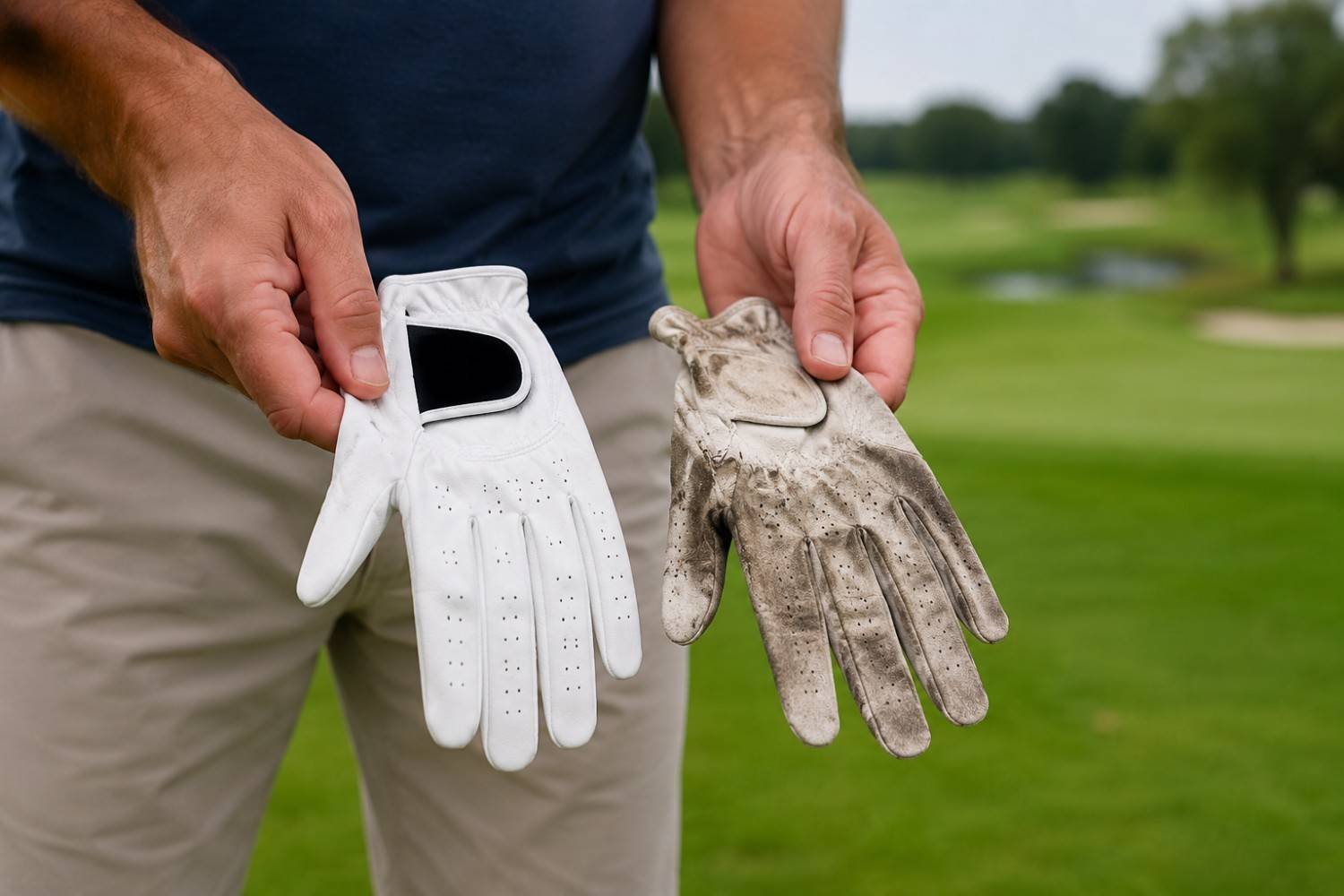
A golf glove can look fine after it has stopped performing well. I pay more attention to feel, fit, and grip than appearance. So, how often should you replace a golf glove? For most golfers, a practical starting point is every 6 to 15 rounds, but material, practice volume, sweat, weather, grip pressure, and care can shorten or extend its lifespan.
How Long Does a Golf Glove Last?
Cabretta leather and synthetic gloves wear differently. A premium Cabretta leather golf glove often lasts about 6 to 12 rounds. It offers the soft feel many golfers prefer, but it absorbs sweat and moisture. Repeated soaking and drying can leave leather stiff, crusty, or slick.
A synthetic golf glove generally lasts longer, often around 15 to 30 rounds. It handles moisture and repeated use better, although it can gradually stretch and lose tackiness.
| Glove Type or Use | Typical Lifespan | Main Cause of Wear |
| Premium Cabretta leather | 6–12 rounds | Sweat, moisture and friction |
| Synthetic | 15–30 rounds | Stretching and lost tackiness |
| Heavy range practice | Often shorter | Repetitive friction |
| Hot, humid golf | Often shorter | Sweat and slow drying |
I treat these ranges as golf glove lifespan checkpoints, not expiration dates. If a glove stops fitting securely or makes me squeeze the club harder, I replace it sooner.
When Should You Replace a Worn Golf Glove?
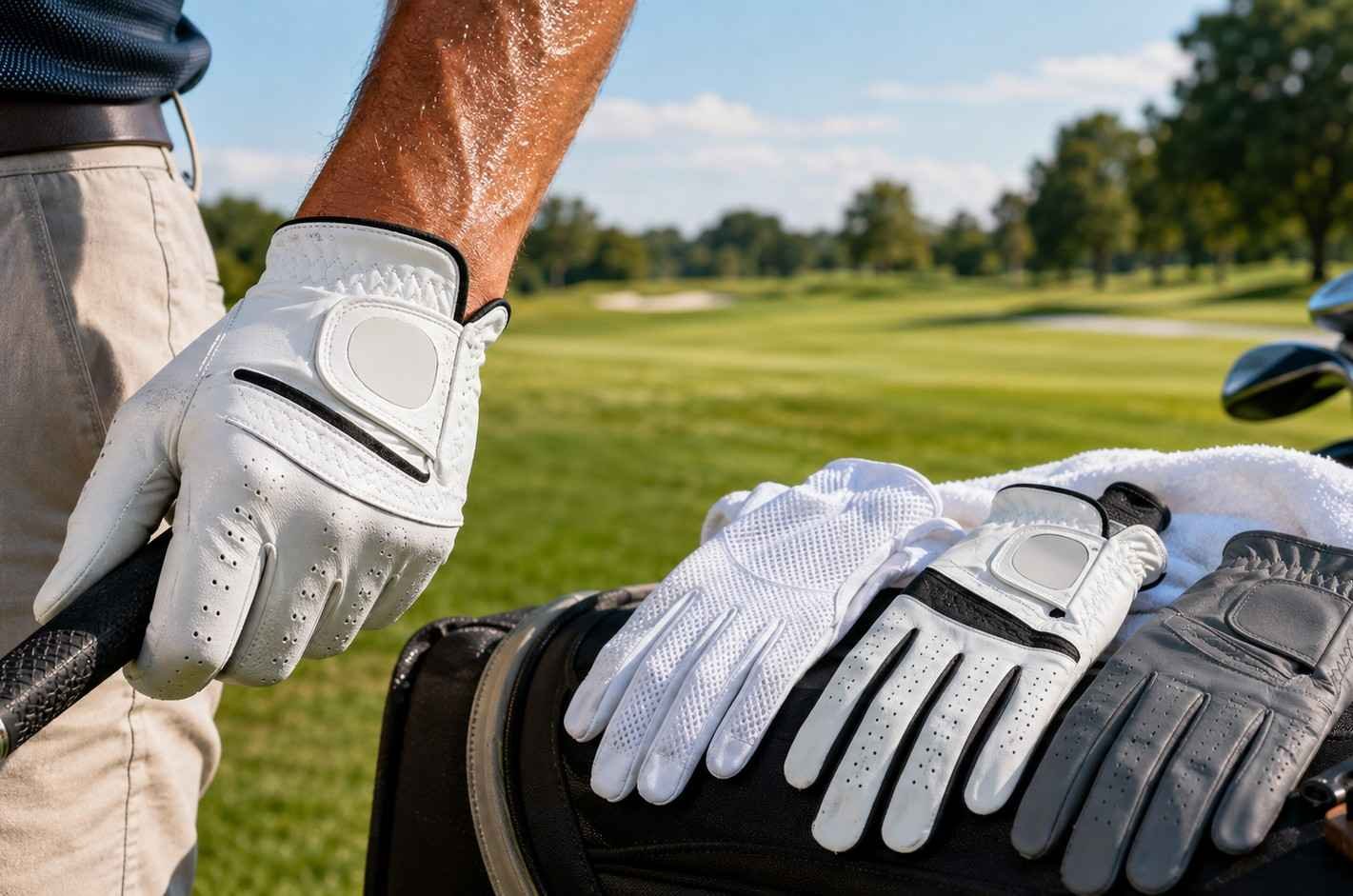
Does the Palm Feel Slick or Shiny?
Loss of tackiness is one of the clearest signs. Friction, skin oils, dirt, and sweat can polish the palm until it feels smooth or slippery. If I notice the club moving more than usual, the glove has probably lost useful grip.
Has the Glove Become Stiff or Crunchy?
A glove that dries stiff has usually absorbed too much moisture. This is especially common during hot US summers. Golfers in Florida, Texas, Georgia, Louisiana, and other humid areas can saturate leather quickly. If the material no longer flexes comfortably, I consider it near the end of its playing life.
Are Dark Marks, Thin Spots, or Holes Appearing?
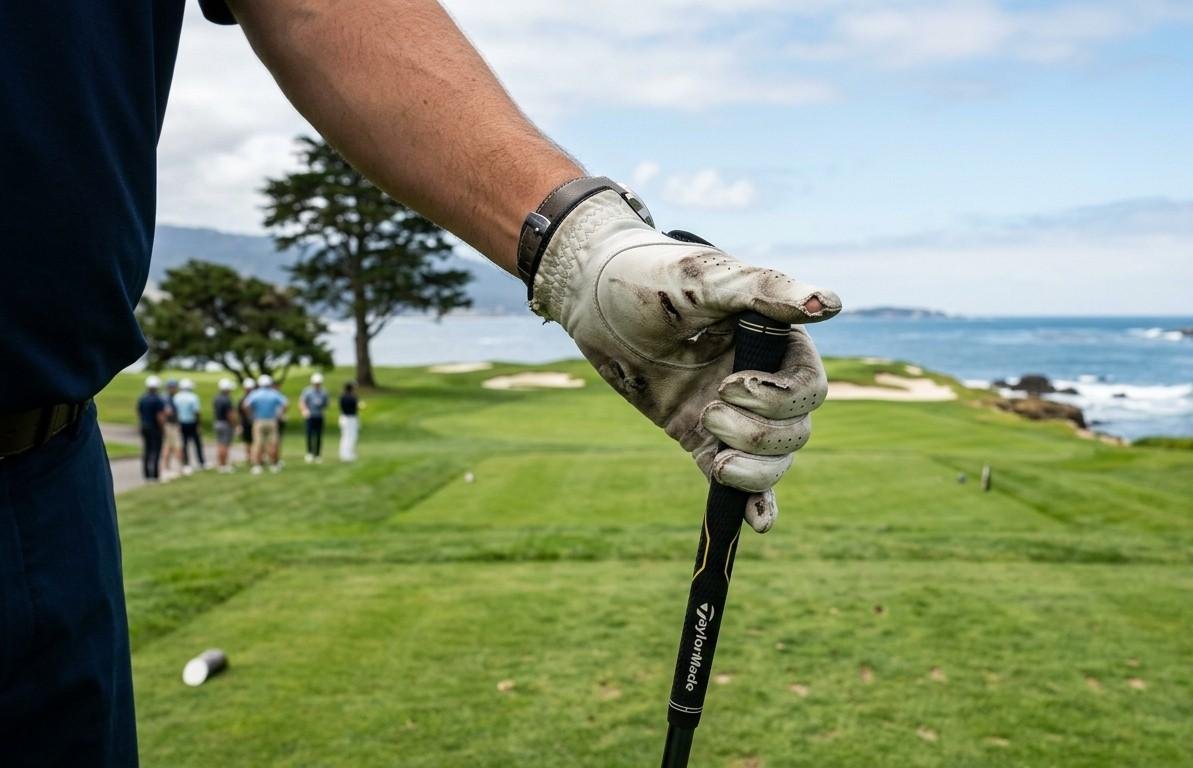
Dark or oily friction marks around the palm or thumb can reveal repeated contact, sweat, dirt, and even how glove material impacts skin sensitivity over a long round. Discoloration is a reason to check for slickness, irritation, or thinning. Thin spots often appear around the heel, thumb, or fingers before a hole develops, so I prefer replacing my playing glove before it tears through.
Has the Fit Become Loose?
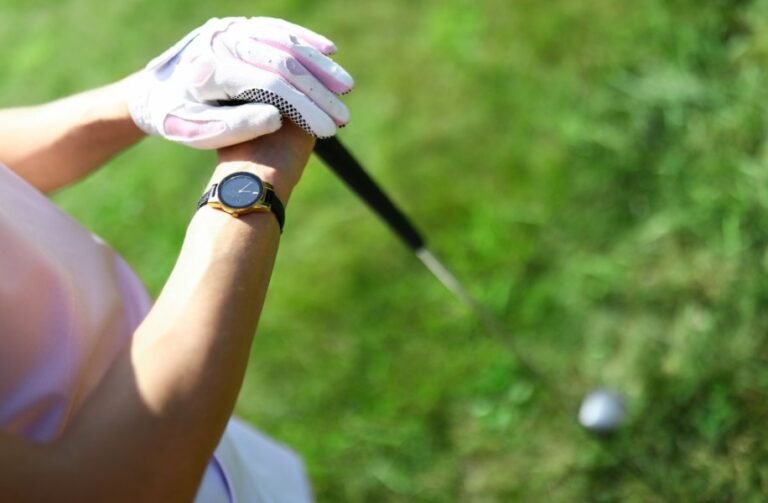
A golf glove should fit snugly, almost like a second skin. If it stretches and leaves excess material across the palm or fingertips, it can move against the grip and create more friction. Repeated loose fits may mean I need a smaller size or cadet fit.
Why Does My Golf Glove Wear Out So Fast?
Frequent driving range practice is a major reason. During a round, I spend time walking, putting, waiting, and removing my glove. At the range, I may hit ball after ball with only seconds between swings, creating far more concentrated friction. That repeated practice can also make it worth reviewing basics beyond equipment wear, including rules such as the provisional ball rule before heading back to the course.
Grip pressure matters too. Squeezing the club too firmly increases friction. Worn or slick golf club grips can make the problem worse because I may subconsciously hold tighter.
Wear location can also offer clues. Repeated damage at the heel of the palm may indicate movement between the club and hand, while heavy thumb wear can sometimes relate to pressure or hand position. If several gloves fail in the same place, I would check my grip technique, glove size, and club grips.
How Can I Make a Golf Glove Last Longer?
On hot or humid days, I carry two or three gloves and rotate them every few holes. That lets each one air out instead of staying soaked for an entire round, which is particularly useful for golfers with sweaty hands.
I remove my glove between shots whenever practical and take it off completely for putting. After the round, I smooth a damp glove flat, let it air-dry naturally, and store it flat once dry rather than crumpling it into a golf-bag pocket.
I also demote older gloves. If one has lost the premium feel I want on the course but still provides usable grip, it becomes my dedicated range glove. That saves fresher gloves from repetitive practice swings. The same practical approach applies when choosing equipment such as the best driver for slow swing speed, where fit and performance matter more than simply buying the newest option.
Leather vs Synthetic Golf Gloves: Which Lasts Longer?
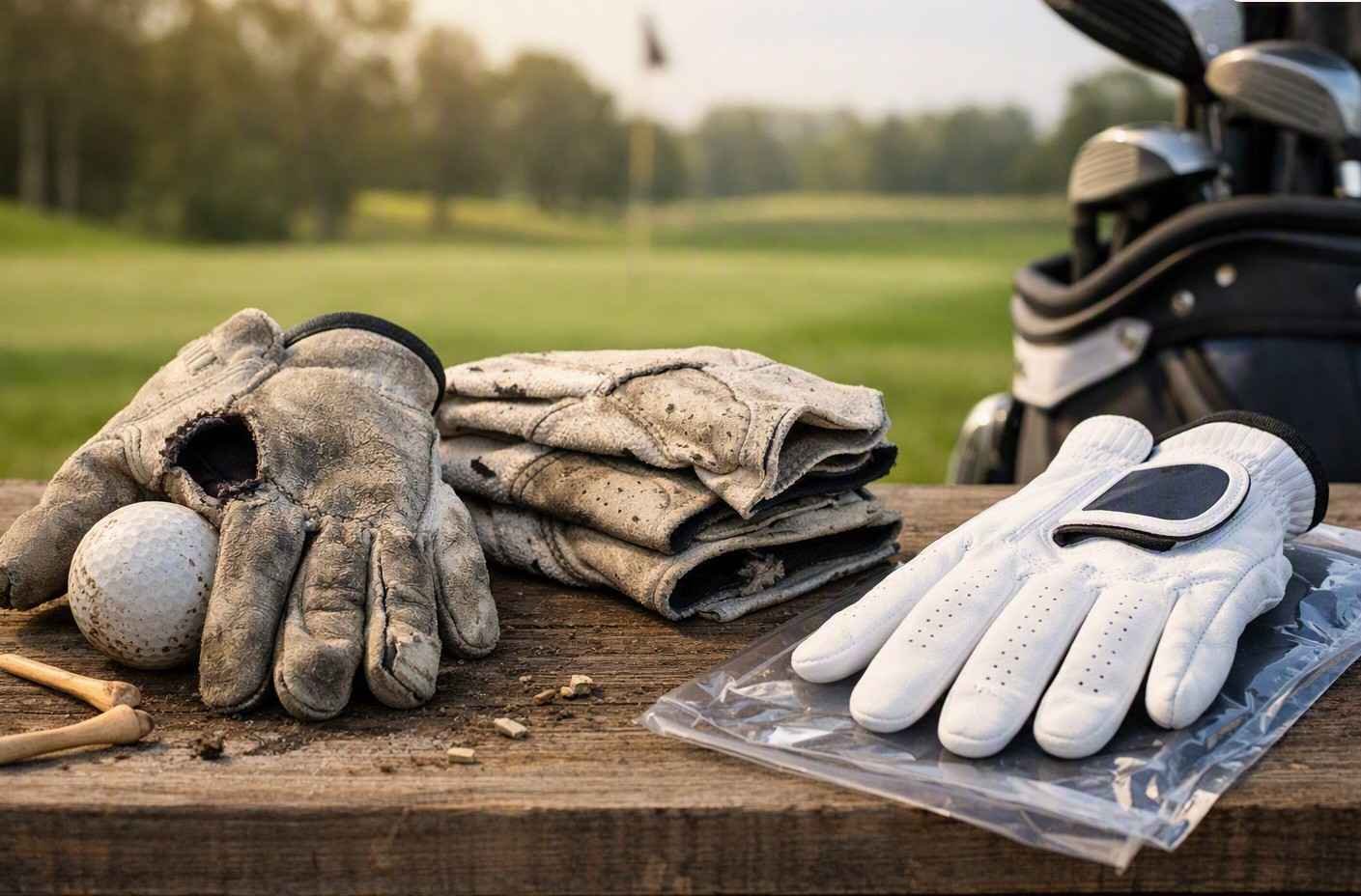
Synthetic gloves usually win on durability, while Cabretta leather remains popular for softness, fit, and feel. Frequent players in humid conditions may value synthetic durability, while feel-focused golfers may still prefer leather. Unlike specialized cut-resistant gloves designed for hand protection in industrial settings, golf gloves prioritize grip, flexibility, and feedback.
Hybrid gloves combine leather in key contact areas with synthetic material elsewhere.
Frequently Asked Questions (FAQs)
1. How often should you replace a golf glove if you practice a lot?
Heavy practice can shorten glove life because range sessions create repetitive friction. I would inspect a practice glove every few sessions and replace it when tackiness, fit, or material condition declines.
2. Can I Keep Using a Golf Glove With a Small Hole?
You can, but I would move it out of my main playing rotation. A small hole usually means the surrounding material has already thinned and can tear quickly.
3. Why Does My Golf Glove Keep Wearing Out on the Palm?
Palm wear can come from excessive grip pressure, a loose glove, worn club grips, or movement of the club in your hands. Repeated wear in the same area is worth investigating.
4. Should I Carry More Than One Golf Glove?
Yes. I like carrying at least two, and three or more can help in hot, humid, or wet conditions. Rotating gloves keeps them drier and gives me a fresh option if one becomes soaked.
Final Take
I do not replace gloves simply because a calendar tells me to. I watch for lost tackiness, stiffness, stretching, discoloration, thinning, and holes. For me, how often you should replace a golf glove comes down to the 6-to-15-round range as a useful starting point, then the glove’s actual condition.
Just as choosing the best golf clubs for high handicappers can make the game more forgiving, using a glove that still provides reliable grip and fit can improve confidence and control. Proper rotation, air drying, flat storage, and a separate range glove can extend useful life without sacrificing a secure connection to the club.