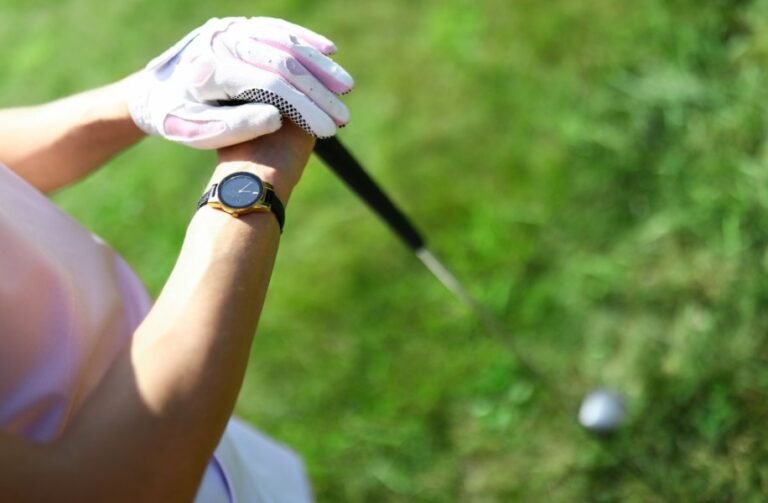
Rain can turn a confident swing into a grip problem fast. Once a regular Cabretta leather glove becomes soaked, it can lose the tacky feel golfers rely on. That is why I keep wet weather golf gloves in my bag whenever the forecast looks questionable.
The best golf gloves for rainy weather use rain-specific synthetics, microfiber, or auto-suede materials to maintain traction when the club and hands get wet.
For US golfers facing Florida thunderstorms, humid Southeast summers, Pacific Northwest drizzle, or cold Northeast rain, my shortlist of the best golf rain gloves starts with these six options.
What Are the Best Rain Golf Gloves Right Now?
| Glove | Best For | Key Feature |
| FootJoy RainGrip | Best overall | Auto-suede palm, quick-drying back |
| Mizuno RainFit | Heavy rain | Wet-grip printed palm |
| TaylorMade Rain Control | Maximum traction | Element Tech microfiber |
| Cobra StormGrip Rain | Features and value | DWR coating, touchscreen finger |
| Callaway Rain Spann | Comfortable grip | Secure wet-weather design |
| Under Armour Drive Storm | Humid rain | Breathable, water-repellent build |
Which Rain Golf Glove Is Best Overall?
FootJoy RainGrip — Best Overall
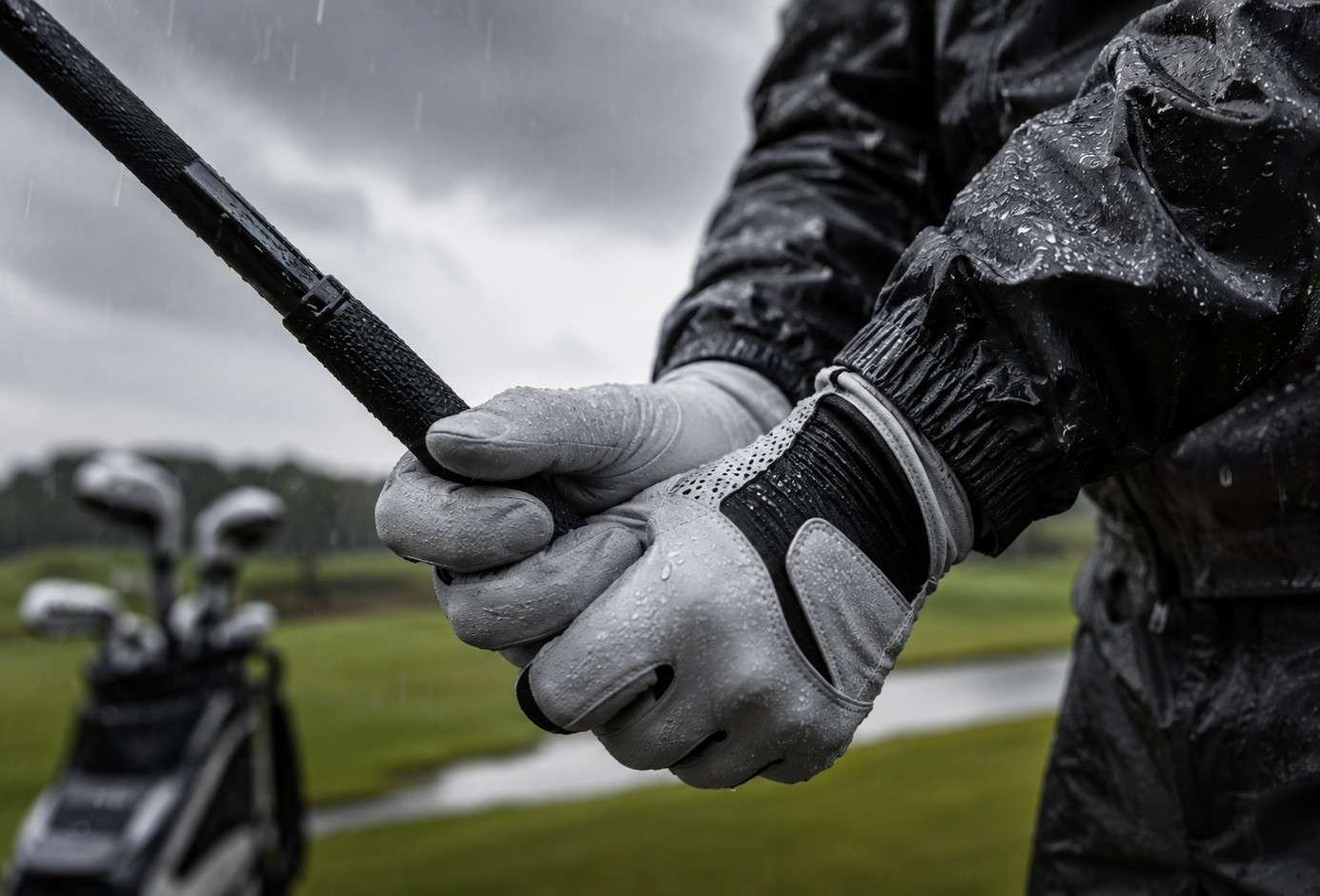
FootJoy RainGrip is my first choice for an all-around pair of golf gloves for rain. Its Autosuede knit palm is designed for wet or humid conditions, while QuikDry II material improves breathability, flexibility, and drying speed. FootJoy also sells RainGrip as a pair.
That combination makes it useful for everything from light showers to long, humid summer rounds. Frequent exposure to moisture can also accelerate wear, so understanding how often should you replace a golf glove can help ensure you are not relying on a pair that has already lost its grip, shape, or flexibility.
What Golf Gloves Work Best in Heavy Rain?
Mizuno RainFit — Best for Sustained Downpours
Mizuno RainFit combines synthetic leather and Lycra with a printed palm pattern designed to improve grip in wet conditions. The gloves are sold as a pair. Golf Monthly also found them particularly effective as conditions became wetter.
For golfers comparing golf gloves for heavy rain, RainFit is one of the most purpose-built choices.
TaylorMade Rain Control — Best for Maximum Traction
TaylorMade Rain Control uses Element Tech microfiber, strong nylon fabric, and an ultra-thin microfiber suede construction. TaylorMade also claims a 40% stronger hold.
This design makes sense if I want the durability of a microfiber golf glove but still prefer a form-fitting feel instead of bulky rain equipment.
Which Rain Gloves Have the Best Extra Features?
Cobra StormGrip Rain — Best for Practical Extras
Cobra StormGrip combines StormGrip suede in the palm with a DWR coating that helps repel water. The current US version also includes a tailored cuff and touchscreen-compatible index finger.
Touchscreen compatibility is particularly convenient when I need to check a GPS app, phone, or digital scorecard without removing a soaked glove.
Callaway Rain Spann — Best for Comfortable Wet Grip
Callaway designed Rain Spann specifically to maintain a strong and secure grip in very wet conditions, and the gloves are sold as a pair. I would consider them if I wanted a straightforward pair of rain golf gloves from a familiar US golf brand without unnecessary complexity, especially when pairing dependable wet-weather gear with the best driver for slow swing speed for greater confidence on the course.
Under Armour Drive Storm — Best for Humid Rain
Under Armour Drive Storm uses UA Storm technology to repel rain without sacrificing breathability. Its synthetic leather palm is designed for playability in wet conditions, and Under Armour sells the gloves as a pair.
That combination makes them especially appealing as golf gloves for humid weather, where sweat and rain may affect grip during the same round.
Which Rain Golf Glove Material Is Best?
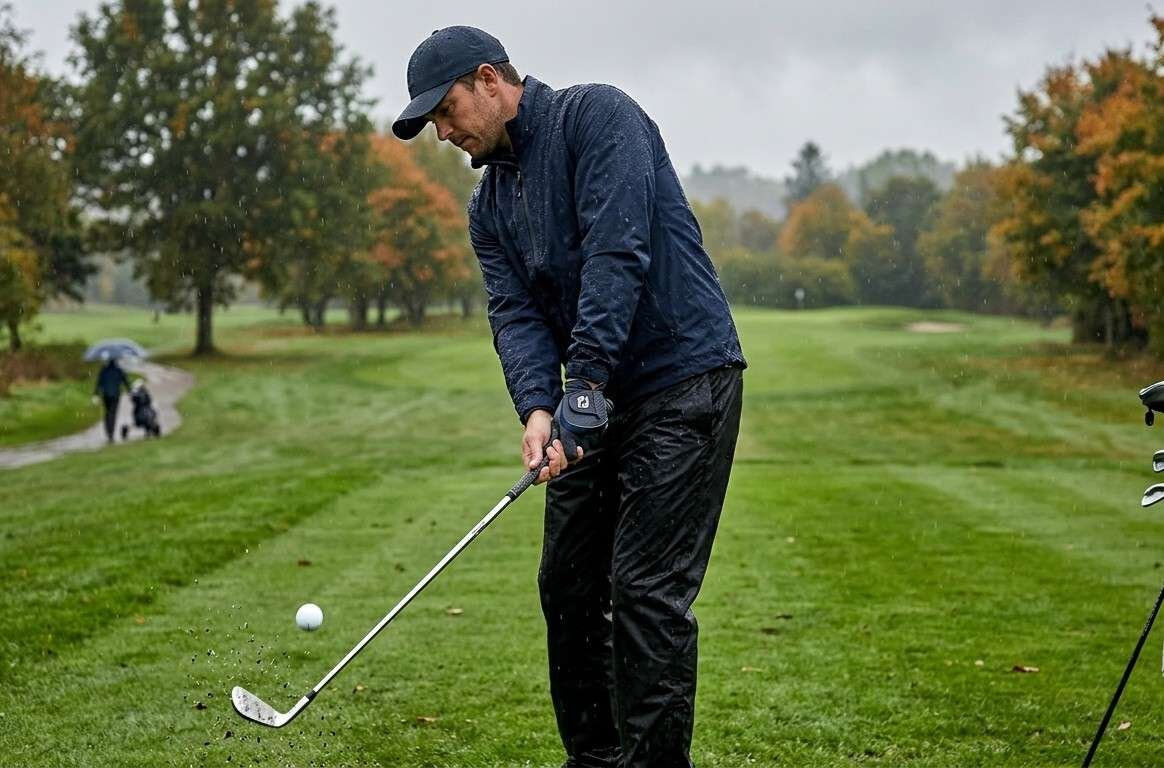
Material matters just as much as brand. The best golf gloves for wet conditions use surfaces engineered to manage moisture instead of behaving like conventional leather.
Auto-Suede Knit for Maximum Wet Grip
Auto-suede and synthetic suede palms provide moisture-activated traction. Some rain-specific designs actually become grippier as moisture increases. Golf Monthly found this behavior with FootJoy RainGrip and Mizuno RainFit and even suggested lightly dampening the RainGrip palm before playing in rain.
Manufacturers often combine the palm with lightweight, breathable, quick-drying backing. That gives golfers strong traction while retaining flexibility.
Heavy Microfiber for Prolonged Downpours
High-durability microfiber focuses on a secure structural hold during extended wet-weather play. TaylorMade Rain Control illustrates this design with Element Tech microfiber and strong nylon fabric.
Form-fitting or stretch cuffs can also create a closer wrist fit, reducing unwanted movement and helping limit water entering around the opening.
Technical Synthetic for a Thinner Feel
Modern synthetic golf gloves can imitate the thin, close-fitting sensation of traditional leather while handling moisture more effectively. Some technical designs also add water-repellent treatments and smart features.
Cobra StormGrip, for example, combines a DWR treatment with touchscreen compatibility. These features make technical synthetics attractive for golfers who dislike thick rain gear.
These differences matter when comparing quick-drying golf gloves and golf gloves that grip when wet rather than simply looking for a water-resistant outer layer.
| Material | Main Advantage | Best For |
| Auto-suede knit | Maximum wet traction | Steady, continuous rain |
| Heavy microfiber | Durability and secure hold | Long, heavy downpours |
| Technical synthetic | Thin feel and versatility | Light rain and technology use |
Should You Wear One or Two Rain Golf Gloves?
I recommend wearing a pair once conditions become genuinely wet. Rain affects both hands and the club grip, so covering both hands can increase traction and reduce the temptation to squeeze the club harder.
FootJoy, Mizuno, Callaway, Cobra, and Under Armour all sell the rain models discussed here as pairs.
Are Waterproof Golf Gloves Really Waterproof?
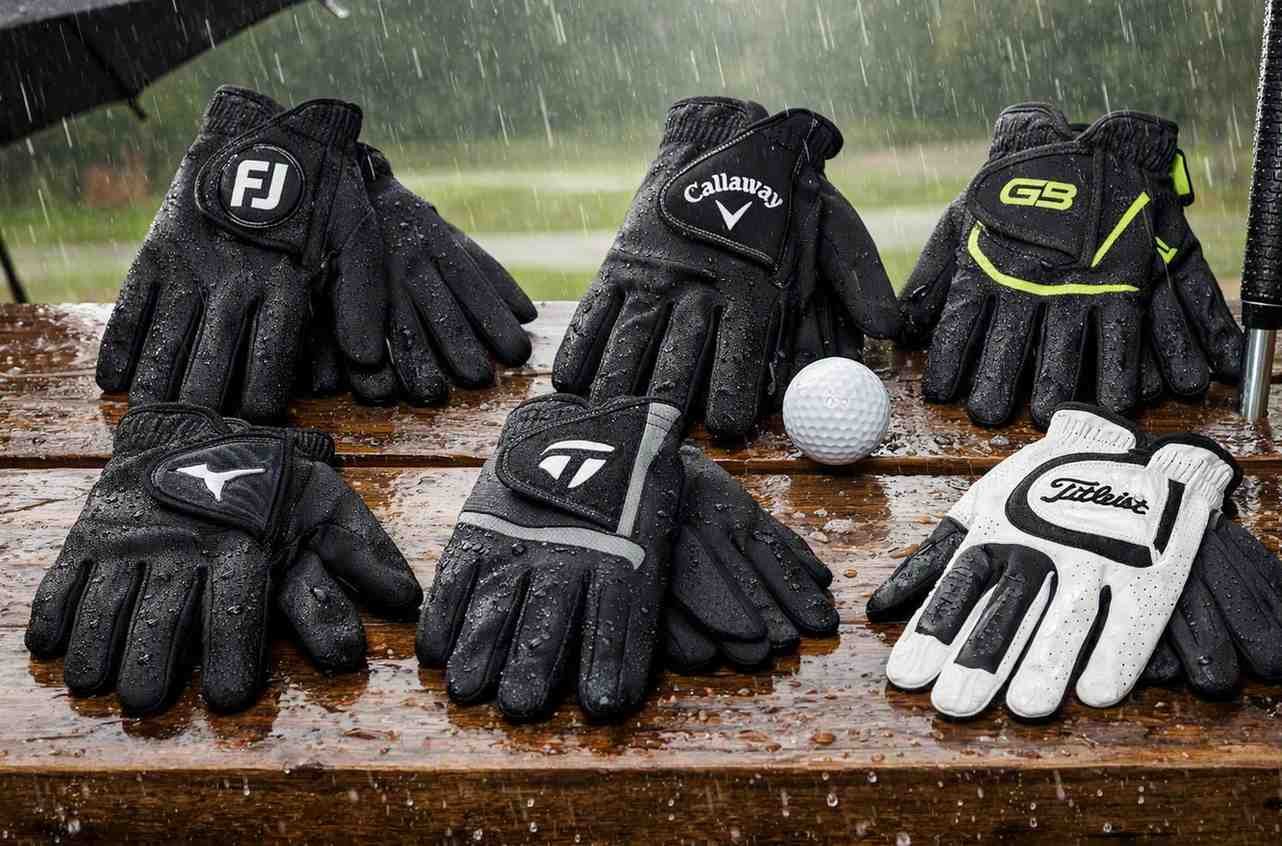
Not always. The term waterproof golf gloves can create the wrong expectation. Many rain gloves focus on maintaining reliable traction while wet rather than completely preventing water from reaching your hands.
Golf Monthly notes that relatively few rain golf gloves are truly waterproof because moisture management and wet-weather traction are usually the priority.
Frequently Asked Questions (FAQs)
1. What Are the Best Golf Gloves for Rainy Weather?
For most golfers, FootJoy RainGrip offers an excellent combination of wet traction, flexibility, and quick-drying comfort. Mizuno RainFit works particularly well for sustained rain, while TaylorMade Rain Control targets golfers who prioritize maximum grip.
2. Do Rain Golf Gloves Work Better When Wet?
Some do. Certain auto-suede and synthetic suede materials are engineered to maintain or increase traction as moisture builds. That is why dedicated golf gloves for wet conditions can outperform a regular leather glove after rain begins.
3. Can Rain Golf Gloves Help With Sweaty Hands?
Yes. Breathable synthetic construction and moisture-friendly palms can also help golfers whose hands become sweaty during hot, humid rounds, making rain gloves useful beyond stormy conditions.
Final Verdict
I would choose FootJoy RainGrip for all-around performance, Mizuno RainFit for persistent rain, TaylorMade Rain Control for maximum hold, Cobra StormGrip for practical features, Callaway Rain Spann for straightforward wet-weather performance, and Under Armour Drive Storm for humid conditions.
The best golf gloves for rainy weather should preserve a predictable connection with the club when moisture makes a normal glove unreliable. Golfers who also struggle with perspiration may want to compare these options with the best golf glove for sweaty hands, since humidity and rain can create similar grip-control problems. For US golfers who play through changing weather, keeping a dedicated pair in the bag is a simple way to protect grip confidence when the forecast turns ugly.