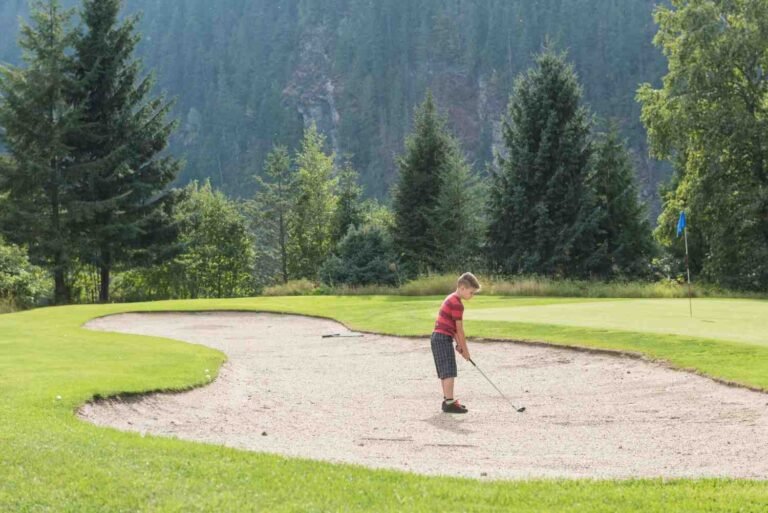
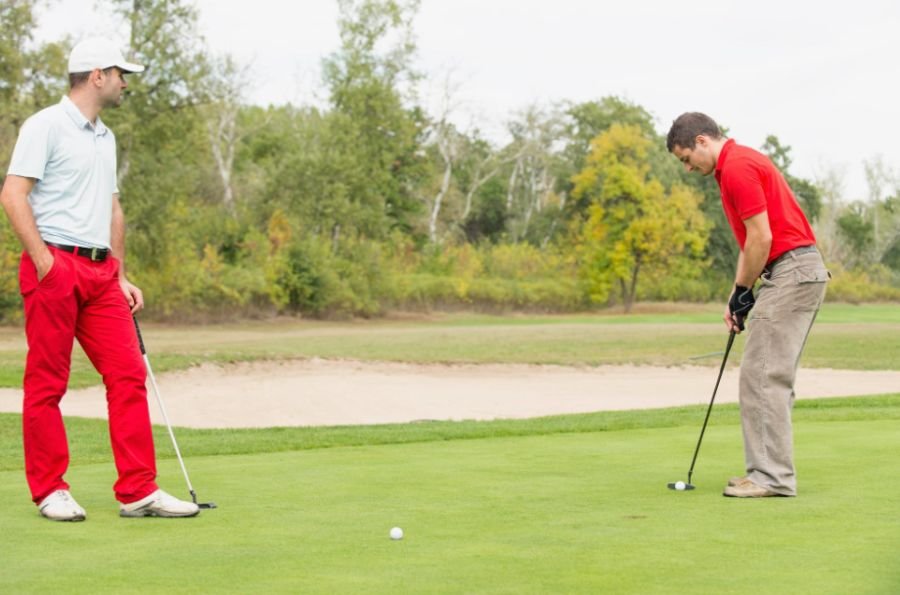
I used to think replacing a divot meant finding the piece of grass, dropping it into the hole, and continuing my round. However, I eventually learned that careless repairs can leave an uneven playing surface or place dying turf back into the fairway. Understanding how to replace divots on the golf course helps the grass recover while leaving a better lie for the golfers behind me.
The correct method depends on the condition of the displaced turf, the grass variety, the weather, and the course’s maintenance policy. An intact piece with soil and roots may survive when replaced promptly. A thin, shattered, or rootless piece should usually be left out and the scar filled with the mixture provided by the course.
Why Every Fairway Divot Should Be Repaired
Taking a divot with an iron is a normal part of golf.The golf swing depends heavily on coordinated hip, torso, and shoulder rotation, which is why understanding the benefits of rotational movement training beyond the gym can also help golfers develop more efficient movement patterns. Leaving the damaged turf behind after a shot, however, should not be normal.
An open scar can remain visible for weeks or months. It can collect weeds, create an unpredictable ball lie, and reduce the overall quality of the playing surface. Repairs also make maintenance easier by restoring a smoother area for fairway mowers.
Replacing or filling a divot takes only a few seconds. That small act demonstrates good golf etiquette and consideration for everyone else on the course.
Should You Replace the Turf or Fill the Scar?
Examine the displaced turf before doing anything. If it remains in one solid piece and has a meaningful layer of soil attached, it may be suitable for replacement. Soil and living roots give the turf a chance to reconnect with the ground.
Do not replace grass that has exploded into fragments, dried out, or separated completely from its roots. Those pieces are unlikely to survive and may be pulled loose by the next mower.
Use the sand or sand-and-seed mixture supplied by the course when the original turf cannot be saved. Course policies differ because grass varieties, soil conditions, irrigation practices, and seasonal temperatures vary. If bottles are provided on the cart or instructions appear near the first tee, follow them. When uncertain, ask the starter or golf shop.
How to Replace an Intact Divot
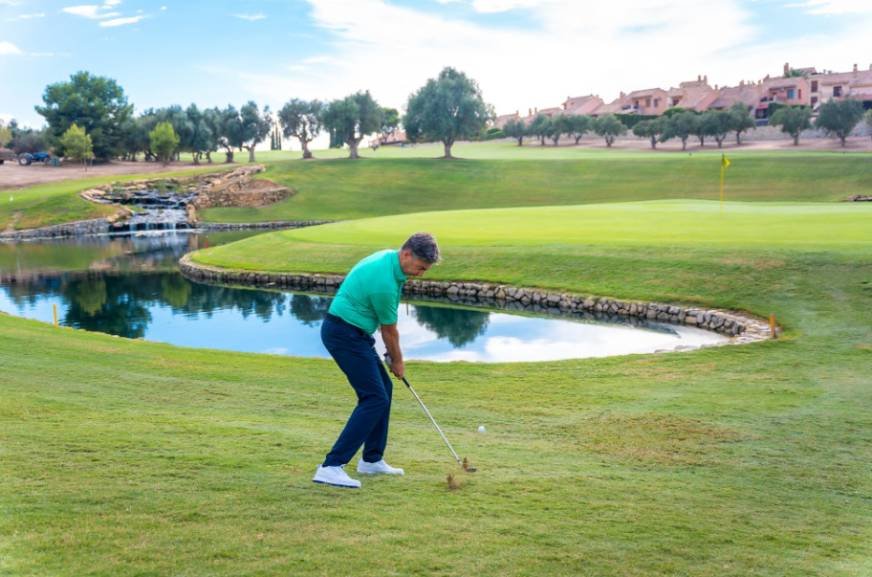
Find the Displaced Turf Immediately
Walk forward and retrieve the piece after completing the shot. Fresh turf has a better chance of surviving than a piece left exposed to heat and dry air.
Clean contact with irons and best wedges for short game improvement can still remove healthy turf, so knowing how to repair the resulting scar is part of responsible course care.
Check the Soil and Roots
Turn the turf over and inspect its underside. A thick piece with soil attached is normally the best candidate for replacement. A thin strip consisting almost entirely of leaf blades should usually be discarded.
Restore Its Original Orientation
Place the turf into the scar with the green side facing upward. Match its shape and direction to the opening. A divot installed backward may not fit correctly and can create raised edges. Careful repairs help fairway scars heal, just as proper ball-mark care makes putting green blemishes vanish.
Press It Firmly Underfoot
Step evenly across the repaired area. Firm pressure restores contact between the roots and underlying soil while leveling the surface. The turf should sit flush with the surrounding fairway rather than rocking, curling, or protruding.
Fill Any Large Gaps
If the replaced piece does not cover the entire scar, add a small amount of the course-provided mixture around the open edges. Smooth it carefully and press it down with your shoe.
How to Fill a Divot That Cannot Be Replaced
Use only the material supplied by the course. Never carry seed mixture from one property to another because it may introduce an unwanted grass variety.
Pour the mixture directly into the scar without scattering it across healthy turf. Stop slightly below the top of the adjacent grass, then smooth and compact it with your foot.
Underfilling leaves a depression that can produce a poor lie. Overfilling creates a raised mound, affects playability, and may interfere with mowing equipment. The objective is a firm, level repair—not a pile of loose sand.
Golfers who walk can ask whether clip-on sand bottles are available. If no mixture is offered, replace viable turf and follow the property’s posted instructions.
How Grass and Weather Affect the Decision
Warm-season fairways containing Bermudagrass are often repaired with straight sand, particularly when the grass is actively spreading. Seed is not always included because many varieties grow laterally rather than establishing from seed.
Cool-season fairways require more individual judgment. Creeping bentgrass can produce thick pieces capable of rerooting, especially during cooler growing periods. Perennial ryegrass may break into smaller pieces, making a seed mixture more practical. Kentucky bluegrass can recover through underground stems, although its seed germinates relatively slowly.
Turf recovery is also influenced by moisture, organic matter, and soil microbial communities on roughs and fairways. Extreme heat, drought, dormancy, compaction, and limited irrigation can disrupt these conditions and reduce the survival prospects of replaced turf. These differences explain why the local superintendent’s instructions should take priority over a universal rule.
Fairway Divots and Green Ball Marks Are Different

A fairway divot is turf removed by a club. A ball mark is an indentation created when a ball lands on a putting green. They require completely different repair techniques.
Before trying to fix damage on the putting surface, it helps to understand how to repair ball marks on the green so the surrounding turf is moved inward without damaging healthy roots.
Do not fill a green’s ball mark with cart sand or attempt to lift its center. Insert a ball-mark repair tool around the outer edge and gently push the surrounding turf toward the middle. Finish by tapping the surface flat with the putter.
Confusing the two repairs can tear healthy roots and cause additional damage.
Common Divot-Repair Mistakes
Avoid placing a lifeless strip of grass into the scar simply to hide the bare soil. Do not install an intact piece backward, leave its edges raised, or walk away without pressing it firmly into place.
Other mistakes include pouring excessive sand into the opening, scattering mixture across healthy turf, using seed brought from another property, and assuming every course follows the same policy.
On a tee box, follow the instructions provided nearby. High-traffic teeing areas are frequently managed with prepared divot mix rather than loose pieces of turf.
Frequently Asked Questions
1. What is the proper way to learn how to replace divots on the golf course?
Retrieve an intact piece with soil attached, fit it into its original position, press it firmly underfoot, and fill any significant gaps with the supplied mixture.
2. Is it better to replace a divot or use sand?
Replace healthy, intact turf when the course permits it. Use the provided mixture when the turf is shattered, rootless, dry, or unsuitable for replacement.
3. Will a replaced golf divot grow back?
It can reroot when living roots and soil remain attached. Moisture, temperature, grass variety, growing season, and soil contact all influence recovery.
4. Should I replace divots on tee boxes?
Follow the signs or maintenance policy. Many tee boxes are repaired with sand or a prepared mixture because they receive concentrated wear.
5. Can I use a divot tool on a fairway scar?
A ball-mark tool is intended primarily for putting-green indentations. Fairway scars should be repaired by replacing viable turf or using the supplied mix.
Final Thoughts
I see divot repair as one of the easiest ways to respect both the course and the golfers following me. I first inspect the turf, replace it only when it has a realistic chance of survival, and use the supplied mixture when it does not. Most importantly, I follow the course’s instructions. A careful repair takes seconds, but it can improve the fairway for weeks.