

I know how strange tournament golf can feel. A drive I hit confidently during a weekend round can suddenly feel intimidating when a scorecard must be signed. My tempo quickens, hazards appear larger, and every short putt seems important.
The solution is not finding a new swing on tournament morning. Learning how to play better in a golf tournament is mainly about preparing carefully, selecting smarter shots, controlling reactions, and trusting the game I already have.
Practice With a Score Before Tournament Day
Regular range practice does not completely prepare me for competition because there is no consequence for a poor shot. Before an event, I add pressure to practice.
Solo rounds can be especially useful because they let me focus on scoring, routines, and decision-making without outside distractions. Learning how to enjoy golf when playing alone can turn those rounds into productive tournament preparation rather than casual practice.
I play nine holes while recording every stroke, fairway, green, penalty, three-putt, and my overall putting numbers. On the practice green, I must hole ten consecutive three-foot putts before finishing. During a range session, I switch clubs after every shot and complete my full pre-shot routine.
Tracking my putting numbers helps me identify whether I am losing strokes through poor speed control, missed short putts, or weak approach putting. These exercises make practice resemble tournament golf. They also reveal which shots remain reliable when I only receive one attempt.
Create a Conservative Course Plan
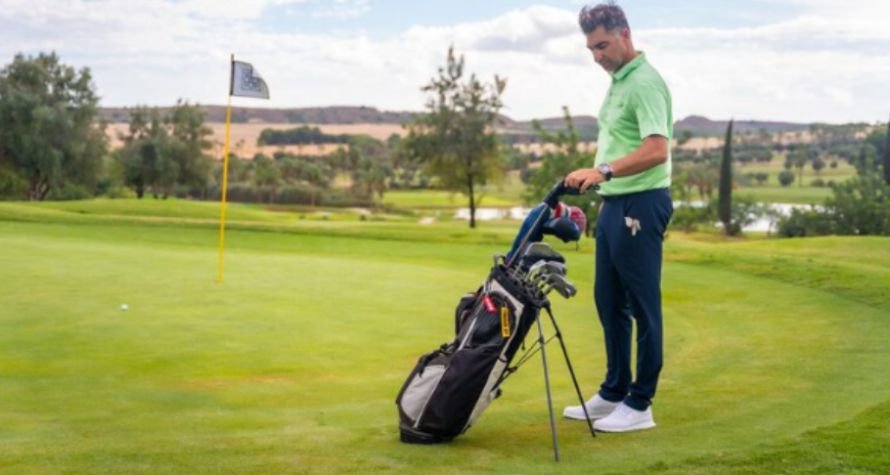
A practice round should be used for research rather than chasing a low score. I identify hazards, slopes, bailout areas, likely pin positions, and clubs needed to reach important targets.
Plan Every Tee Shot
I decide which club offers the widest safe landing area. Driver is not automatically the correct choice. If a hybrid or fairway wood removes a bunker, penalty area, or out-of-bounds line, the shorter club may produce a better score.
Select Safe Approach Targets
Instead of automatically attacking the flag, I aim toward the section of the green that leaves the easiest next shot. When a pin is positioned near water or a deep bunker, the center of the green is usually the more profitable target.
A good plan should remain flexible. Wind, rain, firm greens, or an unexpected pin position may require an adjustment, but one poor hole should not persuade me to abandon sensible decisions.
Trust a Reliable Shot
Tournament day is not the time to build a new swing. Major technical changes introduce extra thoughts and make commitment harder.
I arrive with one dependable tee shot, one comfortable wedge shot, and one simple putting thought. If my driver becomes unreliable, I use the club that keeps the ball in play. A slightly longer approach from the fairway is normally preferable to a recovery shot from trees or a penalty area.
Knowing my actual carry distances is also essential. Estimated distances can produce avoidable mistakes, particularly when carrying water or bunkers.
Prepare Everything the Night Before
Preventable stress consumes energy. The night before the event, I confirm my starting time, tournament format, local rules, weather forecast, travel time, and check-in procedure.
Physical preparation matters too. If I plan to train before an event, understanding should you workout the day before golf can help me avoid excessive fatigue or soreness that could affect my swing, walking stamina, and concentration during the tournament.
I pack:
- Clean clubs and marked golf balls
- Tees, ball markers and a divot tool
- A towel and club-cleaning brush
- A rangefinder or permitted GPS device
- Water, electrolytes and familiar snacks
- Sunscreen, a hat and an extra glove
- Rainwear and an umbrella when required
- A pencil and printed course notes
I avoid unfamiliar foods and last-minute equipment changes. Comfortable shoes, familiar golf balls, and tested rain gear eliminate distractions.
Follow a Calm 60-Minute Warm-Up

The warm-up is designed to prepare my body and observe the day’s ball flight—not repair my swing.
I arrive about an hour early. After checking in, I spend several minutes on dynamic movement before hitting short wedges. If I spend much of the week sitting, adding golf posture exercises for desk workers to my regular training can help me arrive at tournament day better prepared to establish a comfortable, athletic setup.
I arrive about an hour early. After checking in, I spend several minutes on dynamic movement before hitting short wedges. I gradually move through mid-irons, longer clubs, and a few tee shots. I then practice chips, bunker shots if available, long putts for speed, and short putts for confidence.
I finish with the club and shot I expect to use on the opening hole. If the range session is poor, I do not predict a poor round. I simply adjust my target to accommodate the shot pattern I have that day.
Use the Same Pre-Shot Routine
Pressure becomes harder to manage when my routine changes from shot to shot. I use the same process:
- Assess the lie, distance, wind and danger.
- Choose a specific target and committed shot.
- Make one rehearsal while visualizing the result.
- Address the ball, breathe out, look once and swing.
This routine directs attention toward controllable actions. It also reduces the temptation to think about my score, playing partners, leaderboard position, or previous mistake.
Expect Adrenaline on the Opening Holes
Nervousness is not proof that I am unprepared. It is a normal response to competition. Fighting the feeling can make it stronger, so I accept it and choose a larger target.
Adrenaline may increase distance with full swings while causing tentative putting strokes. I account for that possibility without making a dramatic adjustment. Smooth tempo, balanced finishes, and conservative targets are better opening-hole goals than forcing birdies.
Reset Immediately After a Bad Shot

Every golfer will make mistakes. The important skill is preventing one error from influencing the next decision.
My reset has three steps:
Acknowledge
I recognize the disappointment without pretending the shot did not matter.
Breathe
I take one slow breath while walking and relax my grip, shoulders, and jaw.
Choose
When I reach the next shot, I gather fresh information and select the highest-percentage play.
After a penalty or double bogey, I resist trying to recover every stroke immediately. Tournament scores are often protected by avoiding the second mistake.
Protect Energy and Follow the Rules
Mental discipline declines when I am hungry, thirsty, or rushing. I drink regularly instead of waiting until I feel thirsty and eat small, familiar snacks throughout the round.
I also read the event’s local rules and confirm the format. Before signing my scorecard, I check each hole with my marker and resolve questions with an official. Correct procedures matter as much as shotmaking in formal competition.
Review the Round Objectively
After playing, I record fairways, greens in golf, penalties, three-putts, unsuccessful recoveries, and mistakes caused by poor decisions. I also note what worked under pressure.
Instead of rebuilding my entire technique, I choose one measurable priority for the next practice cycle. This turns every tournament into useful preparation for the next one.
Frequently Asked Questions
1. What is the best way to learn how to play better in a golf tournament?
Practice with consequences, prepare a hole-by-hole strategy, use a consistent routine, and select targets based on your normal shot pattern. Tournament experience also becomes more comfortable through repetition.
2. How early should I arrive?
Arriving approximately 60 to 75 minutes before the starting time usually allows enough time to register, warm up, putt, and reach the tee without rushing.
3. How can I calm first-tee nerves?
Accept the nervous feeling, breathe slowly, use a familiar club, select a generous target, and complete your normal routine. Do not attempt an aggressive shot merely to impress other players.
4. Should I change my swing before a tournament?
Avoid major changes immediately before or during an event. Trust familiar movements and use practice after the tournament to address technical problems.
Final Thoughts
I play my best competitive golf when I stop demanding perfection. My job is to prepare well, commit to sensible targets, accept ordinary mistakes, and give each new shot my full attention.
A tournament does not require a different golfer; it requires a disciplined version of the golfer I already am. When I measure success by decisions and routines rather than one final number, better scores become much more likely.