Walk onto any driving range and you’ll see the same beginner struggle: one shot flies beautifully, the next catches the turf, and another leaks off the toe. I’ve found that the right irons can make those early rounds far less frustrating.
The best irons for beginners are not simply the clubs that promise the most distance—they are the ones that make imperfect swings more playable, launch the ball with less effort, and help build confidence from the fairway.
For new golfers, that usually means choosing forgiving game-improvement or super-game-improvement irons with larger clubfaces, perimeter weighting, wider soles, and easy-launch designs. Instead of chasing the clubs used by low-handicap players, I focus on irons that make consistency easier to find and give beginners room to improve without quickly outgrowing their set.
Which Beginner Golf Irons Are Worth Buying in 2026?
Takomo 101 MKII: Best Overall for Value
Golf Monthly currently ranks the Takomo 101 MKII as its top beginner pick, highlighting its mix of forgiveness, feel, and value. I like it for golfers who want useful help without an excessively bulky look.
Srixon ZXiR HL: Best for Higher Launch
If your iron shots fly too low, I would test the Srixon ZXiR HL. Its high-launch focus makes it appealing to moderate and slower swing speeds that need easier carry.
Titleist T350: Best Premium Forgiving Iron
The Titleist T350 combines game-improvement help with a cleaner appearance. I would consider it if you want forgiveness now and an iron you can continue using as your ball striking improves.
Cobra Baffler Hybrid-Iron Combo: Best for Long-Iron Struggles

The Cobra Baffler Hybrid-Iron Combo replaces difficult long irons with easier-launching hybrid-style clubs. That setup can give beginners more confidence from the fairway and rough while retaining conventional scoring irons.
Cleveland Halo XL Full-Face: Best for Inconsistent Contact
The Cleveland Halo XL Full-Face takes a forgiveness-first approach for golfers whose strikes move around the face. I would choose it when easy playability matters more than compact looks.
Tour Edge Hot Launch Max-D: Best Super-Game-Improvement Choice
MyGolfSpy named the Tour Edge Hot Launch Max D its 2026 super-game-improvement winner, reporting top-three results for distance and forgiveness plus the category’s best accuracy result.
Ping G440: Best for Consistent Game Improvement
Golf Monthly lists the Ping G440 among its leading 2026 game-improvement performers. I like it for developing golfers who already make reasonable contact but still want stability and forgiveness.
Mizuno JPX925 Hot Metal: Best for Distance and Growth
The Mizuno JPX925 Hot Metal also ranks among Golf Monthly’s leading game-improvement choices. It suits beginners who want ball speed and carry distance without giving up forgiveness.
What Makes an Iron Forgiving for a Beginner?
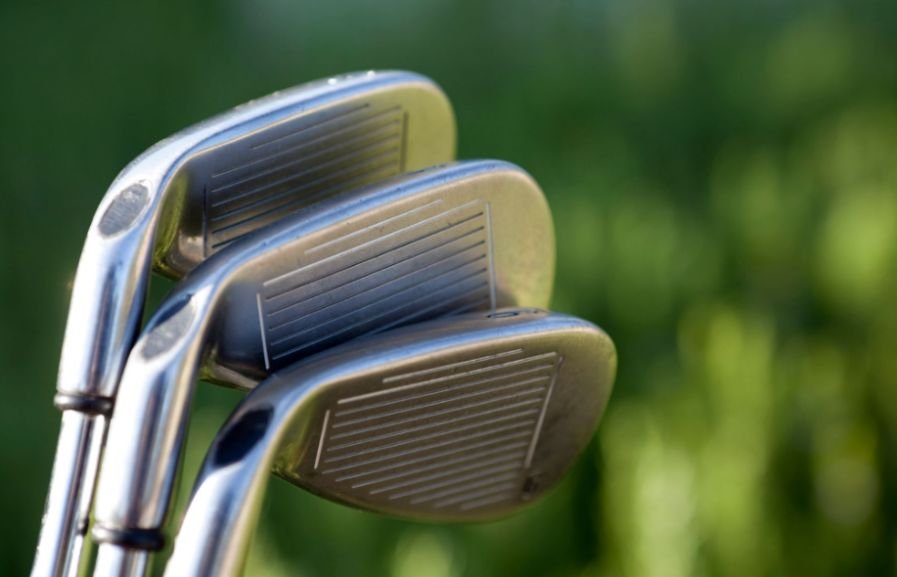
Beginner-friendly clubs usually combine an oversized clubface or larger effective hitting area with perimeter weighting, a low center of gravity, a wide sole, and cavity-back construction. A larger face creates more usable area around the sweet spot, while perimeter weighting adds stability on heel and toe strikes.
Wide soles can reduce digging when you hit behind the ball, and a low center of gravity can promote higher launch. Many game-improvement irons also use offset to help some golfers square the clubface more consistently.
Are Graphite or Steel Shafts Better for New Golfers?
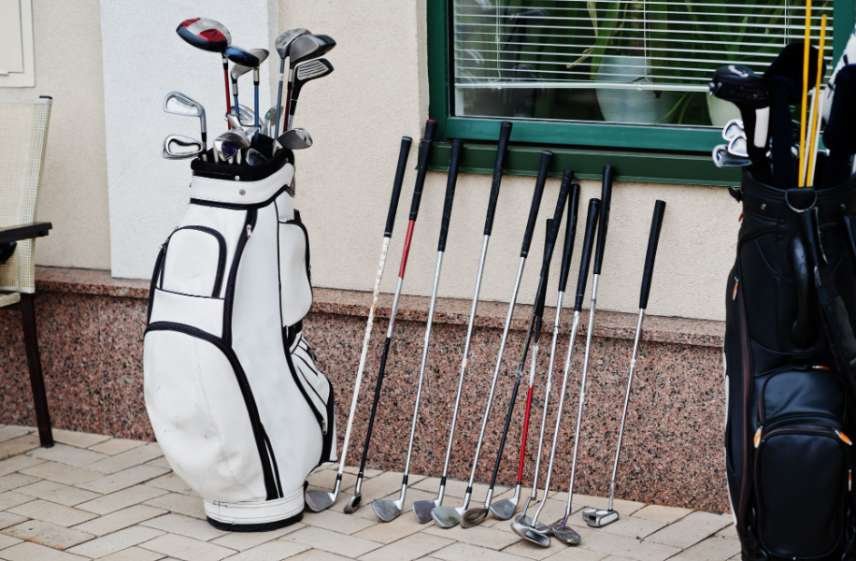
Graphite shafts are generally lighter and can help golfers with slower swing speeds generate more clubhead speed. Steel can still suit stronger or faster beginners who prefer more weight and a different feel.
Shaft flex, weight, tempo, strength, and swing speed matter more than experience level, so I prefer testing different options during a fitting.
Should Beginners Replace Long Irons With Hybrids?
Often, yes. I would rather see a new golfer launch a hybrid confidently than struggle with a 4-iron.
Hybrids typically use wider soles, internal weighting, and forgiving head shapes to create higher launch and easier distance. Golf Digest cites fitting data showing a 6-hybrid produced substantially more carry than a 6-iron for high-handicap golfers.
A beginner set may therefore start its traditional irons at the 5-, 6-, or even 7-iron. If you are still deciding what golf clubs do you really need as a beginner, focus on building a set around clubs you can launch consistently rather than carrying every traditional iron.
How Much Should a Beginner Spend on Golf Irons?
I would compare fit, set makeup, and expected years of use before focusing on price. Previous-generation game-improvement irons can deliver excellent value, while a cheap set becomes poor value if its shafts or design do not suit your swing.
For U.S. shoppers, check exactly what each set includes. Predictable carry distance, useful gapping, and manageable dispersion matter more than one unusually long launch-monitor shot.
Buying the right clubs is only part of becoming comfortable on the course. Learning golf course etiquette for new golfers can make early rounds less stressful by helping you understand pace of play, where to stand, when to hit, and how to care for the course.
Why Can “Irons for Beginners” Also Mean Clothing Irons?
The phrase can also describe household appliances, although that is separate search intent. For clothing care, beginners should prioritize automatic shut-off, a ceramic or non-stick soleplate, clear fabric-temperature dials for cotton, silk, and wool, and vertical steaming for garments on a hanger.
Those features belong to appliance buying advice. Here, “irons” means golf clubs.
How Should I Test Beginner Irons Before Buying?
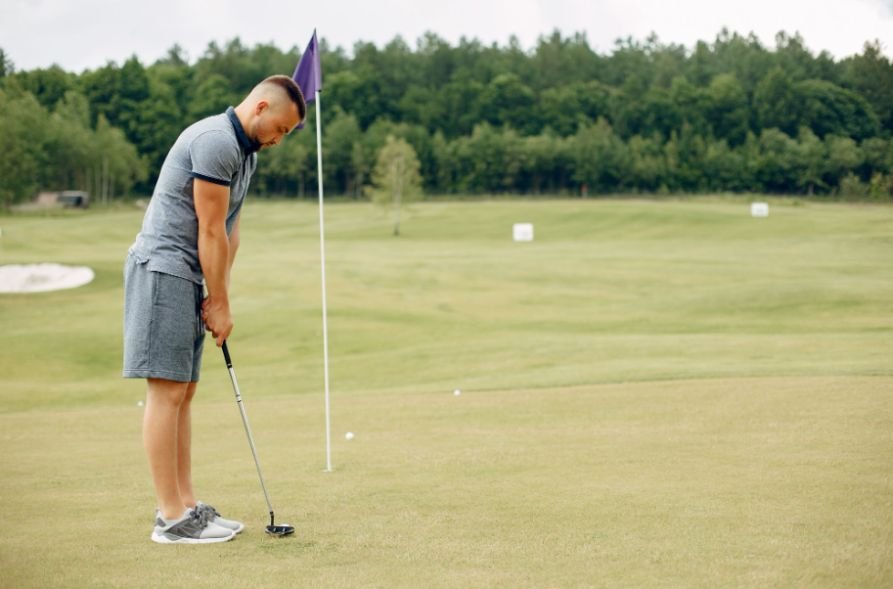
I would compare several models in the same fitting session and judge launch, carry consistency, dispersion, turf interaction, and comfort at address. Modern game-improvement irons can suit a wide range of golfers, and strong testing methods emphasize consistency, accuracy, distance, and forgiveness rather than raw yardage alone.
Frequently Asked Questions
1. What are the best irons for beginners who mishit the ball?
Start with forgiving cavity-back or super-game-improvement irons featuring a larger face, perimeter weighting, wide sole, and low center of gravity. If contact varies dramatically, hybrid-style irons may offer even more help.
2. Do beginners need a 4-iron?
No. Many beginners will score better with a hybrid or high-lofted fairway wood. Build the top of the bag around reliable carry gaps rather than tradition.
3. Can beginners use blade irons?
They can, but I rarely recommend it. Blades typically demand more precise contact and provide less protection on off-center strikes than forgiving game-improvement irons.
Final Take
If I were buying my first serious iron set, I would choose forgiveness first, then match the shaft and set composition to my swing. The smartest beginner iron is not simply the longest club on a launch monitor. It is the one that makes an average swing more predictable, builds confidence, and helps a new golfer enjoy improving.