
Golf has a funny way of exposing more than your swing. A new player can step onto the first tee with shiny clubs, clean shoes, and a full sleeve of balls, yet still feel unsure about when to hit, where to stand, how fast to move, or what to do after landing in a bunker.
I have always believed that the first round becomes much easier when you understand the small courtesies that experienced players notice right away.
That is where golf course etiquette for new golfers becomes important. It is not about acting like a tour professional or memorizing every rule in the book. It is about knowing how to respect the course, protect other players, keep pace, and enjoy a public round without feeling lost.
Most golfers will forgive bad shots, but they remember players who stay aware, fix their marks, and keep the game moving.
Why Does Golf Etiquette Matter for Beginners?
Golf etiquette for beginners is about making the game enjoyable for everyone. On most public golf courses in the United States, you may get paired with strangers, play near faster groups, or follow instructions from a starter or course marshal. Knowing basic public golf course etiquette helps you feel confident even when your game is still developing.
One of the most important parts of what to know before playing a public golf course is that good etiquette matters as much as good shots. When you arrive early, choose the right tees, play ready golf, fix your divots, rake bunkers, and stay quiet during swings, people see you as a respectful player. That matters more than your score during your first few rounds.
How Should New Golfers Prepare Before the Round?
Proper golf manners start before you reach the first tee. I always recommend arriving at least 20 to 30 minutes before your tee time. This gives you enough time to check in, pay, use the restroom, warm up, get your cart, and listen to any course rules.
You should also check the golf course dress code before leaving home. Many public courses allow relaxed golf clothing, but a safe choice is a collared polo shirt, khaki pants or golf shorts, and golf shoes or athletic sneakers. Avoid denim unless the course clearly allows it. Choosing the right shoes also matters because appropriate footwear prevents injury and helps you stay comfortable while walking, swinging, and moving across uneven ground.
Bring enough golf balls, tees, a ball marker, a glove, and a divot repair tool. Beginners often lose more balls than expected, and that is normal. Being prepared keeps the round moving and helps you avoid borrowing items from everyone around you.
How Can Beginners Maintain the Pace of Play?
Pace of play is one of the biggest parts of golf course etiquette for new golfers. Slow play is the most common complaint on the course, but you can avoid it with simple habits.
Ready golf is one of the easiest ways to keep moving. You do not always need to wait for the player farthest from the hole if your group agrees, you are ready, and it is safe to hit. While another player prepares, choose your club, check your target, and get ready for your own shot.
Keep your pre-shot routine short. One or two practice swings are enough for most beginner rounds. Try not to take more than 30 to 40 seconds once it is your turn. You should also watch the group ahead. Your goal is to stay close behind them, not only stay barely ahead of the group behind you.
If your group is playing slowly and a faster group is waiting behind you, let them play through. Wave them ahead from a safe spot, stay quiet while they hit, and continue once they move forward. That is not embarrassing. It is respectful golf etiquette.
What Should You Do About Lost Balls?
Lost balls happen to every golfer, especially beginners. The key is not to let one bad shot slow down the entire course. Under the rules, a ball search is limited to three minutes. If you cannot find it quickly, move on.
In casual rounds, many beginners agree to drop a ball near where it was lost and take the appropriate penalty, especially when the group is trying to keep pace. If you are playing under strict rules, ask a more experienced player or follow the course’s local guidance.
If you are struggling badly on a hole, it is also okay in casual play to pick up your ball after reaching a maximum score and move to the next tee. This keeps the round fun and prevents one hole from ruining the pace for everyone.
What Is Proper Putting Green Etiquette?

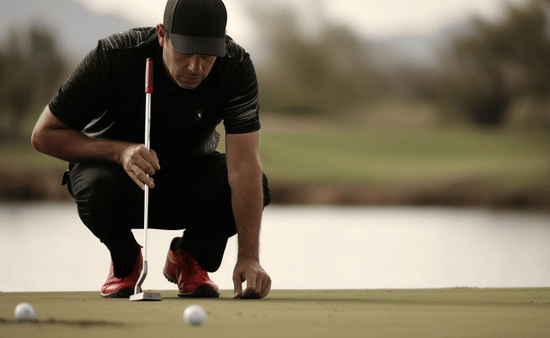
Putting green etiquette matters because the green is the most delicate part of the course. Never step on another player’s putting line, which is the imaginary path between their ball and the cup. Walk around the line instead.
If your ball is in another player’s way or line of sight, mark it with a flat coin or ball marker placed directly behind the ball. When it is your turn, replace the ball in the same spot before putting.
Watch your shadow, too. Do not let it fall across another golfer’s putting line or over the hole while they are getting ready. Stay still, stay quiet, and avoid standing directly behind the cup or directly behind the player.
After the hole is finished, leave the green immediately. Do not stand there counting strokes, discussing missed putts, or filling out the scorecard. Walk to the next tee first, then write down the scores.
How Should Beginners Take Care of the Course?
A good golfer leaves the course as good as they found it, or better. If your ball lands on the green and leaves a pitch mark, repair it with a divot tool or a tee. Gently lift the edges back toward the center without tearing the roots.
If your swing removes a chunk of grass from the fairway, replace the divot if possible. If the course provides a sand and seed mix on the golf cart, fill the hole. This helps the fairway recover and keeps conditions fair for the next group.
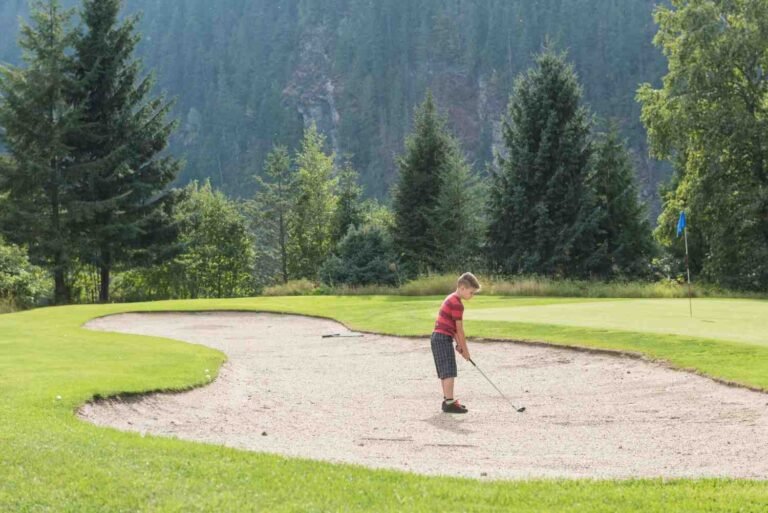
Bunker etiquette is just as important. Enter a sand trap from the lowest side when possible, take your shot, and rake your footprints and swing marks before leaving. Smooth sand helps the next player get a fair lie.
Never place your golf bag, pushcart, or riding cart on tee boxes or putting greens. Keep carts on designated paths and follow “cart path only” signs, especially after rain. Avoid driving close to greens, bunkers, and roped-off areas, and always keep your golf equipment where it will not damage the course or disturb other players.
Where Should You Stand When Others Are Hitting?
Safety and consideration are at the heart of golf etiquette. When another player addresses the ball, stop talking, stop moving, and avoid rustling through your bag. Stand off to the side, slightly behind the player, and out of their line of sight.
Never stand in front of someone hitting, and never assume a shot will go straight. If your shot flies toward another group, another fairway, or any person, yell “Fore!” as loudly as possible. Do it immediately. A loud warning is always better than silence.
How Can New Golfers Feel Comfortable on a Public Course?

Public courses can feel intimidating because you may play with people you have never met. I find it best to introduce myself, stay friendly, and let the group know I am still learning. Most golfers are patient when they see that you respect the game.
Choose beginner-friendly tees instead of playing from the back tees. This makes the round more enjoyable and helps with pace of play. If you are nervous, start with nine holes, book a less crowded tee time, or play during weekday afternoons when the course may be quieter.
Frequently Asked Questions (FAQs)
1.What is the most important golf etiquette rule for beginners?
The most important rule is to respect the pace of play by being ready, staying aware, and keeping up with the group ahead.
2. Should beginner golfers let faster groups play through?
Yes, if your group is slowing down and there is open space ahead, letting faster players pass is the polite thing to do.
3. How long should I search for a lost golf ball?
You should search for no more than three minutes, then take the proper penalty or follow the casual agreement of your group.
4. Can I pick up my ball during a casual round?
Yes, in casual golf, beginners can pick up after reaching a maximum score to keep the round moving and reduce pressure.
5. What should I avoid on the putting green?
Avoid stepping on putting lines, standing in someone’s shadow, talking during putts, and staying on the green after finishing the hole.
Final Thoughts
When I think about the best advice for beginners, it is not about swinging harder or chasing a perfect score. It is about learning how to act on the course with confidence. Golf course etiquette for new golfers helps you play faster, stay safer, protect the course, and earn respect from other players.
Bad shots are part of learning. Slow play, poor course care, and careless behavior are avoidable. The real art of being confident on the golf course comes from knowing what to do before problems happen.
If you arrive early, play ready golf, limit lost-ball searches, repair pitch marks, rake bunkers, respect putting lines, follow cart rules, yell “Fore,” and keep a good attitude, you will already look like someone who belongs on the course.