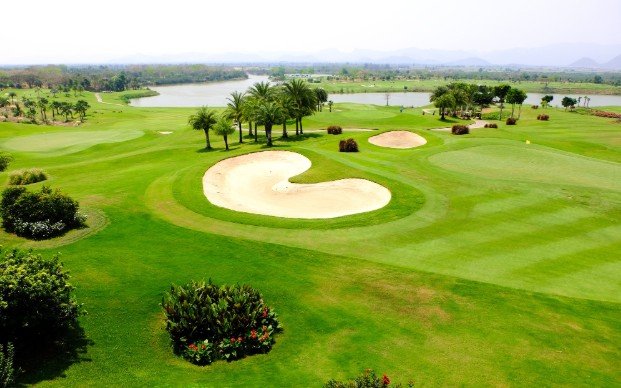
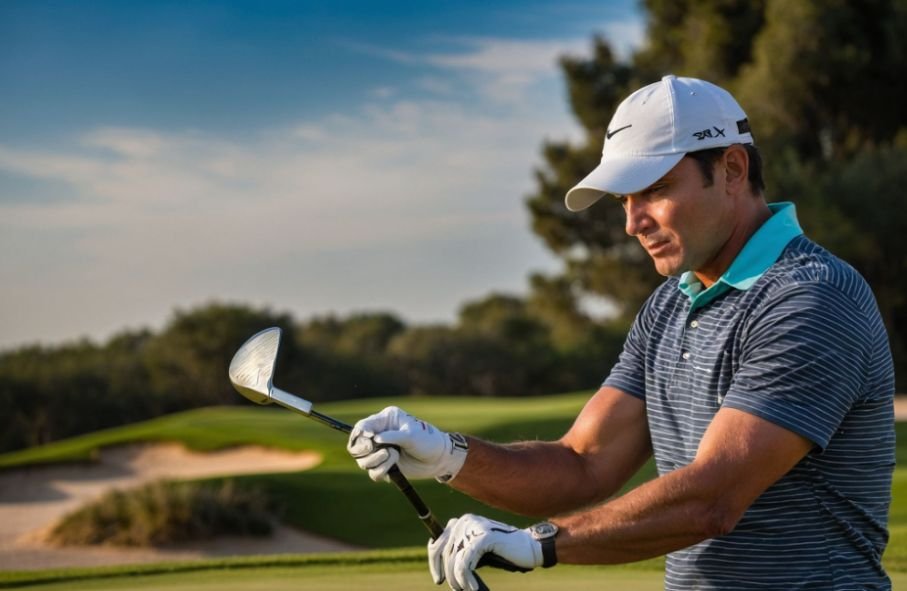
Golf does not always have to mean a five-hour round, a packed Saturday tee sheet, and long holes that punish every missed shot. That is why many golfers are now asking what is an executive golf course and whether it is a better fit for the way they actually want to play.
I like to think of an executive golf course as golf without the unnecessary pressure. It gives you real fairways, greens, bunkers, tee shots, approach shots, and putting, but in a shorter and more manageable layout.
For US golfers who want a quicker round, a lower-cost tee time, or a beginner-friendly way to build confidence, this type of course can make the game feel easier to start and much harder to quit.
What Makes An Executive Golf Course Different?
An executive golf course is a shorter golf course with lower total yardage and a lower total par than a standard 18-hole course.
A regulation course usually plays around par 70 to 72 and may run 6,000 to 7,500 yards or more. An executive course commonly falls around 3,000 to 5,500 yards for 18 holes, depending on the layout and tee boxes.
The total par is usually lower too. Many executive courses sit between par 58 and par 67 instead of the familiar par-72 setup. The course normally has mostly par-3 holes, several short par-4 holes, and sometimes an occasional short par-5. That hole mix separates it from a pure par-3 course.
Why Is It Called An Executive Golf Course?

The Tara Electric Vehicles Guide explains that the word “executive” came from the idea that busy professionals could squeeze in a round before work, after work, or during a lunch break.
The name still fits because time is one of the biggest barriers in golf, especially for Americans balancing work, family, and weekend plans.
Executive Course Vs Standard Course Vs Par-3 Course
A standard golf course gives you the full-length experience with longer holes, more club variety, and a bigger test of distance. A par-3 course uses only par-3 holes, so it is excellent for wedges, irons, and putting.
Beginners who want an even shorter starting point can also explore par-3 golf courses for beginners before moving into executive layouts. An executive course sits between the two because it feels more complete than a par-3 layout but plays much faster than a regulation course.
| Feature | Standard Course | Executive Course | Par-3 Course |
| Average 18-Hole Par | 70 to 72 | 58 to 67 | 54 |
| Average Yardage | 6,000 to 7,500+ yards | 3,000 to 5,500 yards | Under 3,000 yards |
| Hole Mix | Par-3s, par-4s, and par-5s | Mostly par-3s, some par-4s, rare par-5s | Only par-3s |
| Time To Play | 4 to 5 hours | 2 to 3 hours | 1.5 to 2 hours |
Is An Executive Golf Course Good For Beginners?
Yes, it is one of the best places to learn golf. Executive courses lower that pressure without removing the real feel of the game.
Shorter holes help new players focus on contact, aim, club selection, putting, and basic golf etiquette. A poor shot does not ruin the hole as quickly as it might on a long par 4. You can recover, keep moving, and enjoy the round before stepping up to a full regulation course.
How Long Does An Executive Golf Course Take To Play?

Most 18-hole executive rounds take about two to three hours. A 9-hole executive round can often take around 60 to 90 minutes, especially during quieter tee times.
This faster pace makes executive golf useful for after-work rounds, early morning tee times, casual weekend golf, and family outings.
The round is shorter, but pace of play still matters. Be ready when it is your turn, limit practice swings, repair ball marks, rake bunkers, and let faster groups play through when needed.
What Clubs Do You Need For An Executive Course?
You usually do not need a full 14-club set. A putter, wedges, short irons, mid-irons, and maybe a hybrid or fairway wood can be enough on many executive layouts. Some short par-4 holes may allow a driver, but control matters more than power.
Before booking, check the scorecard. If most holes are short, you can carry a lighter bag and focus on scoring clubs. That is especially helpful for beginners who are still building confidence.
Why Do Experienced Golfers Play Executive Courses?
Experienced golfers play executive courses because scoring still matters. These layouts test approach shots, pitching, chipping, bunker play, distance control, and putting. They also make practice feel more realistic than the driving range.
Are Executive Golf Courses Cheaper?

In many cases, yes. Public and municipal executive courses often have lower green fees than full-size regulation courses.
Prices vary by city, season, day of the week, and whether you walk or ride, but the shorter format usually makes golf more affordable.
Lower cost helps beginners play more often and build comfort with tee boxes, greens, bunkers, rules, and course strategy.
FAQs
1. What is an executive golf course in simple words?
It is a shorter, lower-par golf course designed for faster rounds, easier play, and better access for beginners, casual golfers, and busy players.
2. Is an executive course the same as a par-3 course?
No. A par-3 course has only par-3 holes, while an executive course usually mixes mostly par-3 holes with some short par-4 holes.
3. Can beginners play an executive course?
Yes, beginners can play executive courses because the shorter holes reduce pressure and make it easier to learn real course conditions.
4. Can you use a driver on an executive course?
Yes, you can use a driver when the hole length and local rules allow it, but many players use irons, hybrids, wedges, and a putter more often.
Final Thoughts
I believe executive golf courses deserve more attention because they make the game easier to enjoy. They are faster than standard courses, more varied than par-3 courses, and more forgiving for players who want a relaxed but real golf experience.
For US golfers who want quicker rounds, lower green fees, and strong short game practice, an executive course can be the smartest place to book the next tee time.