
I know how frustrating golf can feel when every iron shot seems to come off thin, heavy, low, or leaking right. That is why choosing the Best Irons for Beginners and Improving Golfers matters so much.
The right irons do not magically fix a swing, but they can make bad shots less punishing, help the ball launch higher, and give you more confidence when you stand over the ball.
For newer players and weekend golfers trying to lower scores, the best irons are usually game-improvement or super game-improvement models.
These clubs are built with wider soles, more forgiveness, larger sweet spots, and easier launch. Instead of chasing the sleekest blade-style iron, the smarter move is to choose clubs that help you enjoy more playable shots from the fairway, rough, and tee box.
What Makes Beginner-Friendly Irons Easier To Hit?
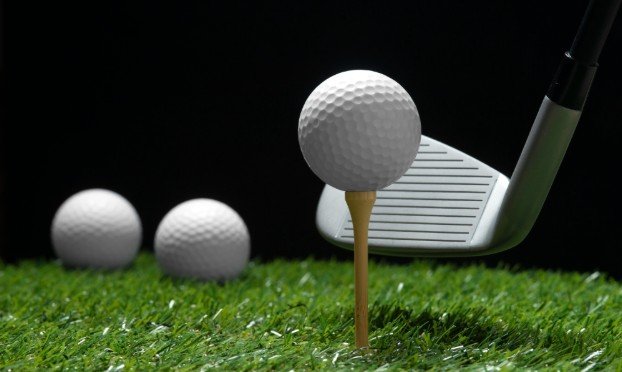
Beginner-friendly irons are designed to help golfers who do not strike the center of the face every time. They usually have cavity-back construction, perimeter weighting, a low center of gravity, and a slightly larger clubhead. These features help the ball get airborne even when contact is not perfect.
Forgiveness should be your first priority. If you hit shots off the toe, heel, or low on the face, forgiving irons can keep more ball speed and reduce distance loss.
High launch is also important because many newer players struggle to get long and mid irons into the air. A wider sole can help the club glide through turf instead of digging, which is useful for players who hit behind the ball.
Offset is another feature worth noticing. More offset can help golfers square the face and reduce a slice. This does not mean every beginner needs the most offset possible, but players who often miss right may benefit from a draw-biased design.
Game Improvement vs Super Game Improvement Irons
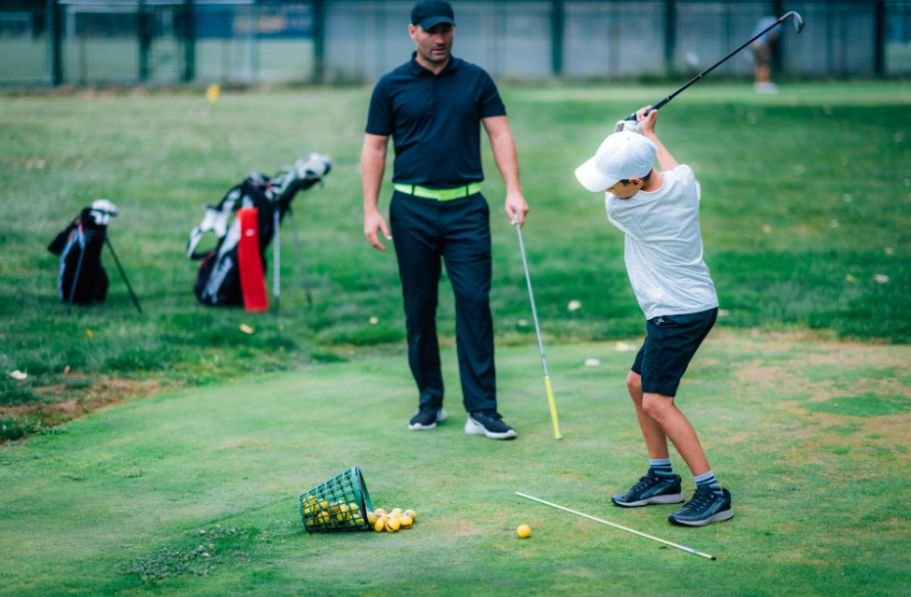
Game-improvement irons are ideal for golfers who want forgiveness but still want a clean look and room to grow. They are usually great for high handicappers moving toward mid handicap territory. These irons can offer distance, feel, and control without being too demanding.
Super game-improvement irons are even more forgiving. They often have thicker toplines, wider soles, stronger launch support, and larger heads. These are best for complete beginners, slower swingers, senior golfers, or anyone who simply wants the easiest possible iron to hit.
The choice depends on your goal. If you want maximum help right now, choose super game-improvement irons. If you are improving quickly and want a set you can keep for several seasons, game-improvement irons may be the better long-term buy.
Best Overall Type Of Iron For New Golfers
The best overall choice for many newer players is a forgiving cavity-back iron with high launch, moderate offset, and a comfortable shaft. Irons like the Takomo 101 MKII style of club are popular because they combine value, clean looks, and enough forgiveness for everyday public-course golfers.
A good all-around beginner iron should not feel too heavy, too small, or too intimidating. When you look down at the club, it should give you confidence. If the head looks friendly and the ball launches easily, you are more likely to swing freely instead of guiding the club.
Best Irons For Improving Golfers
Improving golfers need irons that help on mishits but still reward better contact. If you are starting to hit more greens, control distance better, and understand your normal miss, you may not need the largest iron head available.
Models in the Srixon ZXiR style fit this category well because they are built around forgiveness, launch, and feel. This type of iron works for golfers who still need help but do not want a bulky club that feels too beginner-focused. A clean-looking game-improvement iron can be a strong bridge between learning the game and playing more consistent golf.
Best Irons For Slicers

If your common miss is a weak fade or slice, look for irons with more offset, stable face technology, and draw-biased performance. TaylorMade Qi Max-style irons are often discussed in this space because they are designed to help launch the ball high while reducing the punishment of open-face contact.
A slice is usually caused by face angle and swing path, so no iron can fully erase it. Still, the right club can make the miss more playable. Instead of losing balls right of the green, you may see softer fades that stay closer to the target.
Best High-Launch Irons For Slower Swing Speeds
Golfers with slower swing speeds should focus on launch, carry distance, and shaft choice. A lightweight graphite shaft can help create more speed without extra effort. High-launch iron heads can also make a big difference, especially in the 5-iron, 6-iron, and 7-iron.
Ping G440 or G740-style irons are good examples of forgiving, confidence-building clubs made for easier launch and consistent carry. If you struggle to get the ball airborne, do not chase low-lofted distance irons just because they promise more yards. A shot that flies higher and lands softer is usually more useful than a low bullet that runs unpredictably.
Best Budget Irons For Beginners
Budget matters, especially when you are still learning the game. You do not always need the newest premium set to play better golf. Direct-to-consumer irons, previous-generation models, certified used clubs, and the best golf balls for beginners and high handicappers can offer excellent value without making the game feel too expensive.
Direct-to-consumer irons, previous-generation models, and certified used clubs can offer excellent value.
When shopping on a budget, focus on condition, shaft flex, forgiveness, and set makeup. A well-fit used set is often better than a brand-new set that is too stiff, too long, or too difficult to launch. Local golf shops and fitting studios can also help you compare options before buying.
How To Choose The Right Set Makeup
Most beginners do not need a 3-iron or even a 4-iron. Long irons are harder to launch and less forgiving than hybrids. A practical beginner set might start at a 5-iron or 6-iron and include hybrids for longer shots.
For par-3 holes and iron tee shots, using the Best Golf Tees for Beginners and Weekend Players can also help new golfers create a cleaner setup without overthinking tee height.
Pay attention to wedges too. Many iron sets include a pitching wedge and sometimes a gap wedge. If your set has strong lofts, you may need an extra wedge to avoid distance gaps around the green. The goal is not to own more clubs; it is to own the right clubs for the shots you actually face.
Should You Get Fitted?
A basic fitting can help you avoid expensive mistakes. You do not need a tour-level fitting session, but checking shaft flex, length, lie angle, grip size, and launch numbers can make a big difference. Many American golf stores and fitting centers offer beginner-friendly sessions where you can compare several irons side by side.
If you are between regular and stiff shafts, or steel and graphite, testing matters. The right shaft can help you find better timing, launch, and control. Beginners often overlook this, but shaft choice can be just as important as the clubhead.
Frequently Asked Questions
1. What are the Best Irons for Beginners and Improving Golfers?
The best choices are forgiving game-improvement or super game-improvement irons with easy launch, wide soles, cavity-back design, and shafts matched to your swing speed.
2. Should beginners use graphite or steel shafts?
Graphite shafts are often better for slower swing speeds because they are lighter and easier to launch, while steel shafts can suit stronger players who want more control.
3. Are expensive irons worth it for new golfers?
Not always. Beginners usually benefit more from forgiveness, proper fit, and confidence than from buying the most expensive premium model.
4. When should I upgrade from beginner irons?
Upgrade when your strike pattern improves, your distance gaps become predictable, and you want more control over launch, spin, and shot shape.
Final Thoughts
When I look for beginner-friendly irons, I care less about what looks impressive in the bag and more about what helps real golfers enjoy the next round. The right irons should make the game feel less punishing, especially on mishits, heavy contact, and low-face strikes.
If you are new to golf, choose forgiveness first. If you are improving, choose irons that still help you but give you room to grow. A smart set with forgiving heads, the right shafts, useful hybrids, and proper wedge gaps can make the game feel easier without forcing you to rebuild your swing overnight.