If you are asking Golf Watch vs Golf Rangefinder: Which One Should You Buy?, I get the confusion. Both tools promise better distance control, smarter club choices, and more confidence over the ball.
I have seen golfers play well with either one, but I have also seen players buy the wrong device because they focused only on price or brand. The right choice depends on your skill level, course style, routine, and whether you value quick information or exact pin distance.
Quick Verdict Before You Buy
A golf watch is better if you want fast yardages without slowing down your round. It usually shows front, middle, and back green distances, plus hazards, layup zones, score tracking, and shot data on many models.
A golf rangefinder is better if you want exact distance to a visible target, such as the flag, bunker, tree, water carry, or layup spot. For casual players who want speed, the watch often feels easier. For golfers who already control distance well, the rangefinder can sharpen approach shots.
What a Golf Watch Does Best
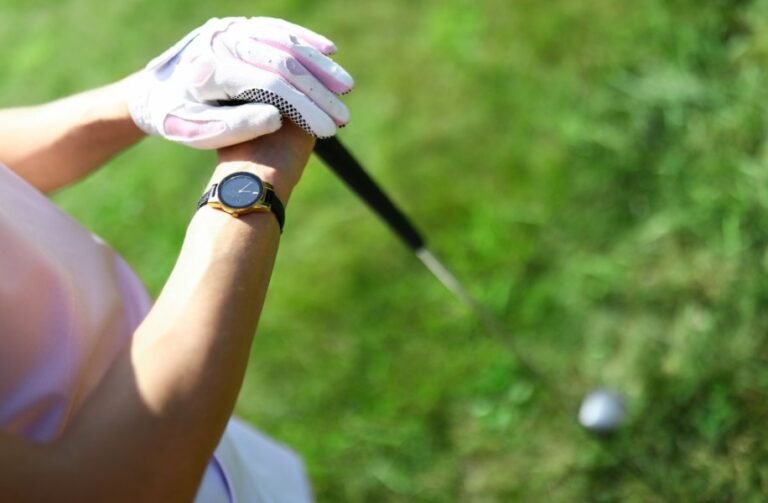
A golf GPS watch uses course mapping and satellite positioning. It helps you understand the green area and nearby trouble, even when the flag is hidden or the hole bends around trees. That makes it useful on unfamiliar courses and busy weekend rounds.
The biggest advantage is convenience. You glance at your wrist, choose a club, and swing. You do not need to pull anything from your bag or aim at the flag. A watch also helps newer golfers stop chasing every pin and start playing toward safer green zones.
What a Golf Rangefinder Does Best

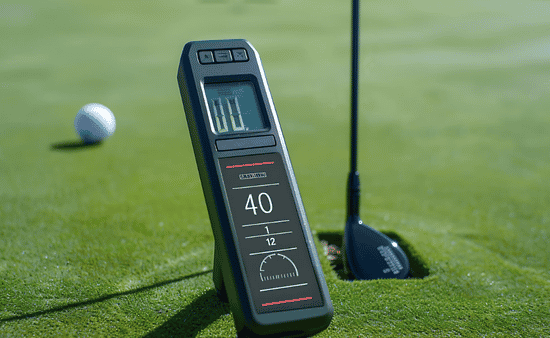
A golf rangefinder uses a laser to measure the distance to a target you can see. That makes it excellent for approach shots, par 3 holes, and situations where one exact number matters. If the middle of the green is 152 yards but the flag is tucked in front at 141, a rangefinder can prevent you from choosing too much club.
Rangefinders are also strong on unfamiliar holes. You can shoot the bunker lip, a tree line, a mound, or the group ahead before deciding whether it is safe to hit.
Accuracy: Rangefinder vs GPS Watch
For exact pin yardage, the rangefinder wins because it measures the target you select. A golf watch wins for strategic distance because it gives front, center, and back yardages that help you choose a smarter target. For many mid and high handicappers, this can be more useful than a perfect pin number because most misses come from poor contact, wrong club choice, or aiming at risky flags.
Convenience and Pace of Play
A golf watch is faster because it is already on your wrist. This helps when groups are waiting, the tee sheet is packed, or you want fewer distractions before swinging. A rangefinder takes more effort because you need to take it out, aim, steady your hand, lock the target, and put it away. If you like simple golf, the watch feels natural. If you enjoy precise planning, the rangefinder feels more satisfying.
Regardless of which device you choose, understanding How to Rotate Hips in Golf Swing Properly for Power remains essential, as efficient hip rotation helps generate clubhead speed and consistency that no technology can replace. By combining smart course management with solid swing mechanics, golfers can improve both performance and confidence on the course.
Slope Mode and Tournament Rules
Many modern rangefinders include slope mode, which adjusts yardage for uphill or downhill shots. This is helpful in casual rounds, especially on hilly courses. However, during many competitions, slope must be turned off when distance-measuring devices are allowed.
Some golf watches also include advanced features like club suggestions, elevation adjustment, or performance tracking. Before a tournament, check the event rules and disable any feature that gives more than basic distance information.
Budget and Long-Term Value
A basic rangefinder can be a smart buy if you only care about target distance. Premium models cost more because they add clearer optics, faster readings, magnetic mounts, slope settings, and stronger durability.
Golf watches have a wider feature range. Entry-level models are great for basic yardage calculations, while premium versions may include green views, hazard maps, fitness data, phone alerts, and stat tracking. If you want one tool that supports your full round, a watch may offer better value. If you only want pin accuracy, choose a rangefinder.
Which One Should Beginners Choose?
Beginners should usually start with a golf watch. It keeps the game simple and teaches better course management. Instead of aiming at every flag, you learn to play toward the center of the green, avoid big hazards, and choose clubs with less pressure. A rangefinder becomes more useful once you know your real carry distances.
Should You Own Both?
Many regular golfers eventually use both. The watch gives quick green and hazard information, while the rangefinder confirms exact target distance. Still, you do not need both immediately. If slow decision-making hurts your game, choose the watch. If uncertain approach yardages cost you strokes, choose the rangefinder.
Frequently Asked Questions
1. Is a golf watch better than a rangefinder?
A golf watch is better for quick yardages, blind shots, hazards, and simple course strategy.
2. Is a rangefinder more accurate?
Yes, a rangefinder is usually more accurate for exact distance to a visible flag or target.
3. Golf Watch vs Golf Rangefinder: Which One Should You Buy? for beginners?
Beginners should usually buy a golf watch first because it gives simple yardages and supports smarter course management.
4. Are golf rangefinders allowed in tournaments?
Many tournaments allow distance devices, but slope, elevation help, and club recommendations may need to be turned off.
Final Thoughts
When I compare these two devices, I do not see one perfect answer for every golfer. A watch helps you play faster, think smarter, and manage the course with less stress. A rangefinder gives you confidence when you need one exact number to a flag or landing area.
My choice is simple. Pick a golf watch if you want convenience, speed, and all-around course information. Pick a rangefinder if you care most about pin accuracy and precise target yardages. If you play often and want the best setup, using both can give you the clearest decision before every important shot.