Golfers love new gear, but a shiny clubhead does not always mean better value—or better scores. When I compare used golf clubs vs new golf clubs, I look beyond the price tag and ask a more useful question: which option actually gives me the right combination of performance, fit, condition, and long-term value?
A well-maintained set of pre-owned irons can outperform a poorly fitted brand-new set, while fresh wedges or a professionally fitted driver may justify paying more. For beginners, weekend golfers, and even experienced players, the smartest choice often comes down to knowing where used equipment saves money and where new technology or customization is genuinely worth the premium.
Are Used or New Golf Clubs Better at a Glance?
| Factor | Used Golf Clubs | New Golf Clubs |
| Value | Lower upfront cost | Higher purchase price |
| Technology | Usually previous-generation | Current designs and technology |
| Condition | Can range from nearly new to heavily worn | Unused condition |
| Customization | Limited by available specifications | Wider shaft, grip, loft, lie, and length choices |
| Warranty | Depends on retailer or program | Typically available under manufacturer terms |
Are Used Golf Clubs Worth It for Beginners?

For many beginners, I prefer quality pre-owned golf clubs over an inexpensive new set designed mainly to meet a low price point. A beginner’s swing can change substantially with lessons and practice, so investing heavily before developing repeatable mechanics may not offer the best value.
Before spending heavily on new equipment, beginners can also work on strength, rotation, and movement away from the course. A resistance band workout for golfers at home can support golf-specific mobility and strength while you develop a more repeatable swing.
Used equipment also reduces financial commitment. If someone tries golf and later decides the sport isn’t for them, less money may be tied up in the bag.
For someone still deciding how seriously they want to pursue the game, it can also be useful to understand is golf really a sport and what physical skill, coordination, strategy, and practice the game actually demands before investing heavily in equipment.
The pre-owned market can also make premium equipment from brands such as Callaway and TaylorMade more affordable. However, I would never choose clubs based on the logo alone. Shaft flex, club length, forgiveness, loft, lie, grip condition, and overall suitability matter more.
Do Older Golf Clubs Lose Much Performance?
Golf technology evolves, but the release of a new model does not suddenly make the previous generation ineffective. MyGolfSpy has noted that staying within a few generations of current technology can help golfers access strong performance without constantly purchasing the newest equipment.
I also judge age differently according to club type. Putters can remain useful for many years. Recent-generation irons, hybrids, and fairway woods may still provide excellent performance and value.
Drivers receive more frequent changes in face technology, aerodynamics, adjustability, and forgiveness, so a newer model may matter more when a golfer wants to optimize launch, ball speed, or dispersion.
Which Golf Clubs Are Best to Buy Used?
Are Used Irons a Good Investment?
Used irons are often one of my favorite second-hand purchases. I check the faces, grooves, shafts, ferrules, and hosels before confirming shaft flex, length, lie angle, and set composition.
For beginners and high-handicap golfers, a forgiving game-improvement iron set from a previous generation can make far more sense than purchasing a less-forgiving new set simply because it is current.
Should You Buy a Used Driver?
A recent-model used driver can deliver strong value if the head remains structurally sound and the shaft suits your swing.
I inspect the crown, face, sole, adjustable hosel, weights, and shaft for cracks, dents, or obvious damage. I also compare its price with discounted new drivers because previous-generation new inventory sometimes closes the price gap.
Should You Buy New or Used Wedges?
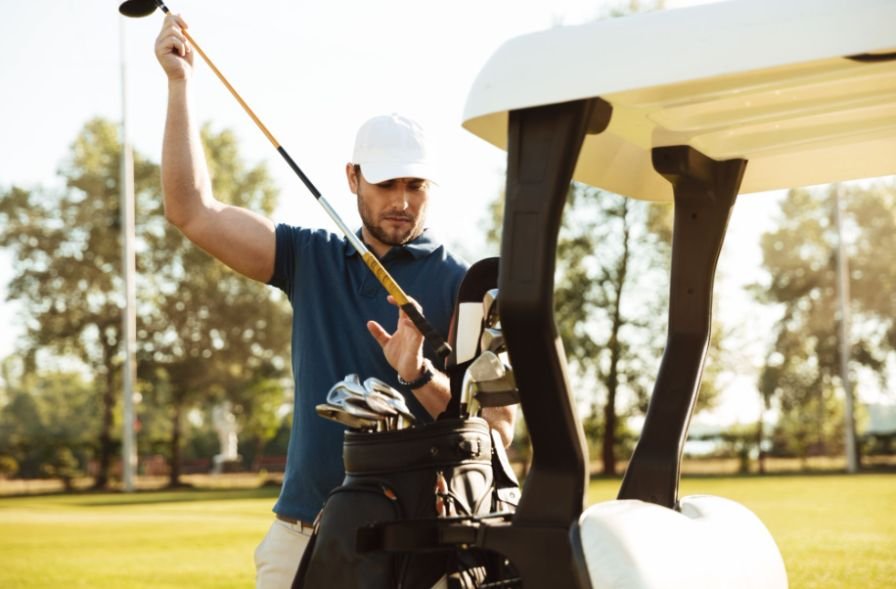
I approach used wedges more cautiously.
Groove condition matters because worn wedges can provide less predictable short-game performance. Golf Monthly specifically identifies groove deterioration as an important consideration when buying second-hand wedges, while USGA equipment rules regulate groove dimensions and edge sharpness.
If I play frequently and rely heavily on greenside spin, I usually prefer new wedges or lightly used wedges with clearly visible, well-preserved grooves.
Are Used Putters, Hybrids, and Fairway Woods Worth Buying?
Often, yes. Putters experience relatively little high-speed impact, while hybrids and fairway woods from recent generations can remain highly playable.
For these clubs, I focus more on fit, feel, shaft specifications, and condition than the model year printed on the head.
A well-fitted putter can remain useful for years, but better equipment still needs good touch on the greens. Learning how to control putting speed on fast greens can help you improve distance control, reduce three-putts, and get more value from whichever putter you choose.
When Are New Golf Clubs Worth the Extra Money?
Is Custom Fitting a Good Reason to Buy New Clubs?
Custom fitting is one of the strongest reasons I would choose new equipment.
PGA TOUR Superstore explains that club fittings can analyze factors including swing speed, ball flight, and impact, while TaylorMade’s fitting guidance highlights specifications such as loft, lie, and length.
That can matter for golfers with unusual height, very fast or slow swing speeds, specific launch requirements, or equipment-related dispersion problems.
New equipment also arrives with untouched faces, grooves, grips, and shafts. Manufacturer warranty protection may provide additional peace of mind, although coverage varies. For example, Callaway’s certified pre-owned warranty specifically covers qualifying manufacturing defects rather than automatically covering every form of accidental damage.
There is also a psychological benefit. I enjoy the confidence and excitement that come with putting a brand-new club in the bag. That feeling is real, but it does not automatically produce lower scores.
What Hidden Costs Can Make Used Golf Clubs Expensive?
A low sticker price doesn’t always equal a bargain.
Before purchasing, I consider the complete ownership cost: purchase price, shipping, replacement grips, loft or lie adjustments, shaft work, and repairs.
Regripping is one of the most common extra expenses. A cheap iron set becomes less attractive when every grip feels slick, cracked, or hardened. Likewise, buying clubs with the wrong shafts can erase much of the original saving if reshafting becomes necessary.
Condition grading and return protection reduce some of that uncertainty. 2nd Swing publishes a used-club condition guide, GlobalGolf advertises a playability guarantee for used clubs, and Callaway Golf Pre-Owned publishes condition grades and warranty information for qualifying products.
Where Should You Buy Trusted Golf Clubs in the US?
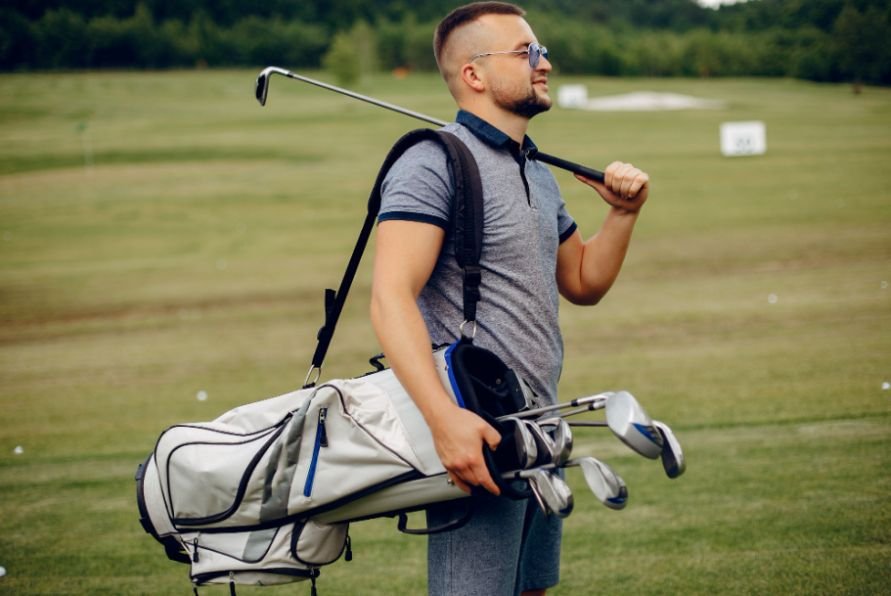
For pre-owned equipment, I prefer established retailers that clearly show specifications, condition information, photographs, and return terms.
US golfers can compare used inventory through 2nd Swing, GlobalGolf, and Callaway Golf Pre-Owned. For new clubs, local golf shops and larger retailers with hitting bays and fitting services can provide an advantage because golfers can test equipment before committing. PGA TOUR Superstore is one nationwide example.
Private sellers may offer lower prices, but buyers need to inspect clubs carefully. Counterfeit equipment, undisclosed shaft modifications, excessive groove wear, or hidden damage can quickly turn a bargain into an expensive mistake.
Which Choice Gives You Better Value?
My verdict on used golf clubs vs new golf clubs is that neither option should automatically win across an entire golf bag.
I would happily consider used irons, putters, hybrids, and fairway woods when their condition and specifications are right. I would be more selective with heavily worn wedges, and I would consider purchasing a new driver when a professional fitting demonstrates a meaningful performance advantage.
For most recreational golfers, I think the smartest solution is often a mixed bag. Spend new-club money where fitting, fresh condition, warranty coverage, or newer technology provides genuine value, and use the second-hand market where a well-maintained older club can perform the same job for less.
Frequently Asked Questions
1. Are Used Golf Clubs Good for Beginners?
Yes. Beginners can often access higher-quality, more forgiving equipment within the same budget by purchasing used clubs, provided the shaft flex, length, condition, and clubhead design suit their needs.
2. How Old Is Too Old for Used Golf Clubs?
There is no universal age limit. Condition, specifications, fitting, and performance matter more than the number of years since release. Drivers may benefit more from recent technology than putters or traditional irons.
3. Should Advanced Golfers Always Buy New Golf Clubs?
No. Experienced golfers who already know their preferred specifications can find excellent value in pre-owned equipment. New clubs become more attractive when a golfer needs highly specific custom fitting or wants to test the newest designs.
4. What Should I Check Before Buying Second-Hand Golf Clubs?
I check the clubface, grooves, crown, sole, hosel, ferrule, shaft, grip, adjustable components, loft, lie, length, authenticity, condition rating, and return policy before buying.