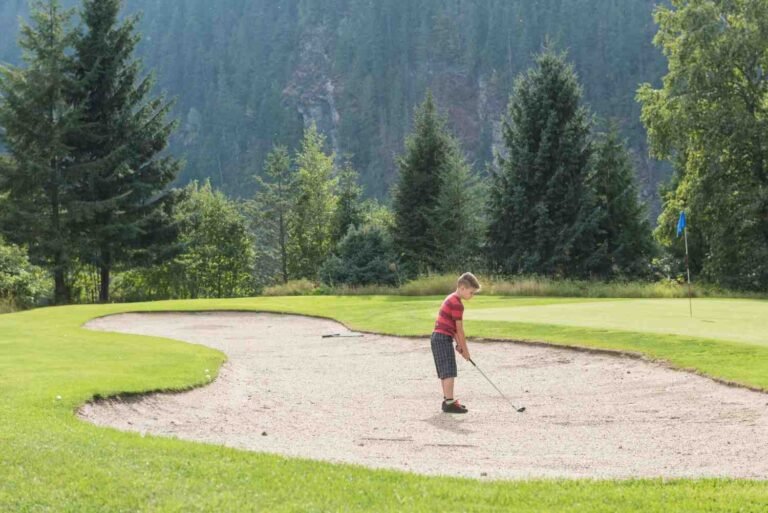
I help a young golfer get started, I never begin with the most expensive club set. I begin with fit, comfort, and confidence. The right gear should make golf easier to learn, not harder to enjoy. Best Junior Golf Equipment for Young Players includes more than clubs.
A good setup should include properly sized clubs, a light bag, comfortable shoes, a glove, golf balls, tees, and simple practice tools that match the child’s age, height, strength, and interest level.
Why Junior Golf Equipment Matters
Young golfers are still learning balance, rhythm, coordination, and swing control. If the clubs are too long, too heavy, or too stiff, kids may struggle to make clean contact. They may bend awkwardly, grip too tightly, or swing around their body just to move the club.
Good junior golf equipment helps a child swing freely. It also makes lessons, range sessions, and casual rounds more enjoyable.
Parents often think better gear means more expensive gear, but that is not always true. The best choice is equipment that fits the player right now and supports steady improvement.
Start With Proper Junior Golf Clubs
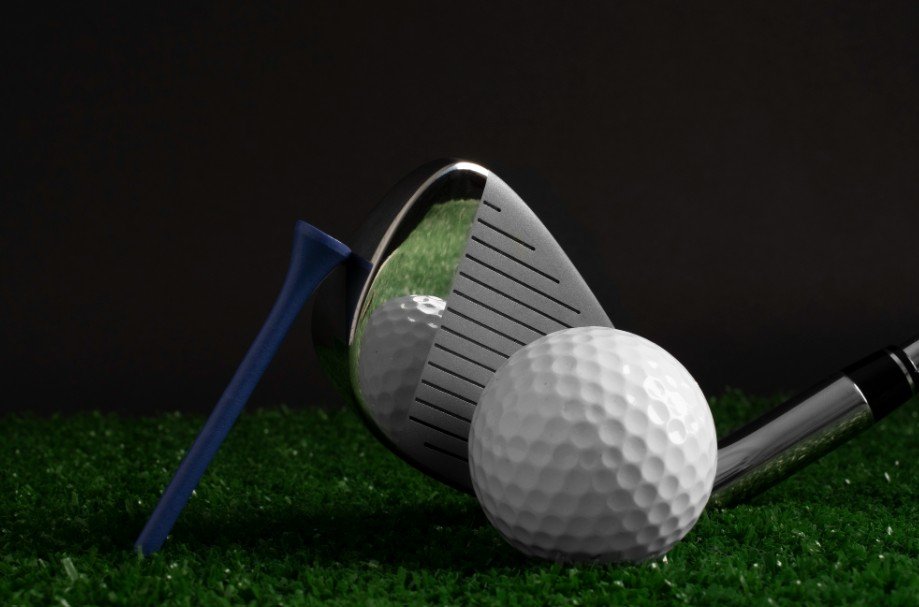
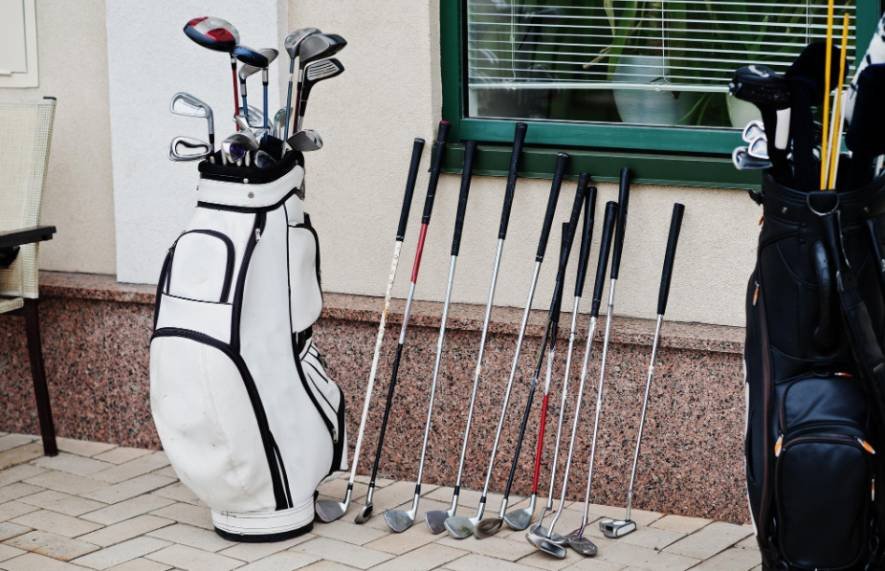
Junior golf clubs are the most important part of the setup. A beginner does not need a full adult-style set. Most young players can start with a driver or fairway wood, a hybrid, one or two irons, a wedge, and a putter.
This gives them enough variety to learn tee shots, approach shots, chipping, and putting without making the game feel confusing.
The biggest mistake parents make is buying clubs based only on age. Height is usually a better guide because children grow at different speeds.
A tall eight-year-old and a shorter ten-year-old may need different club lengths. Clubs should let the child stand naturally, grip comfortably, and swing without losing balance.
Choose Lightweight Shafts
Lightweight graphite shafts are usually best for junior golfers. Heavy shafts can make kids drag the club, lose speed, or feel tired quickly. A lighter club helps them make a smoother swing and finish naturally.
Look for Forgiving Clubheads
Forgiving junior clubs are easier to launch. Larger clubheads, wider soles, and beginner-friendly designs help young players get the ball in the air. Early success matters because it keeps kids excited to practice again.
Pick a Golf Bag Kids Can Carry Easily
A junior golf bag should be light, balanced, and simple to use. If the bag feels too heavy, the round becomes tiring before the child even reaches the next hole. A stand bag is a smart option for kids who walk during practice or play short courses.
Look for padded straps, stable legs, easy zippers, and enough pocket space for balls, tees, a towel, snacks, and a water bottle. Younger players need a smaller carry bag, while older juniors who take lessons or play regularly may need a little more storage.
Choose Comfortable Junior Golf Shoes
Golf shoes help young players stay balanced during the swing. Regular sneakers may work for the range, but they can slip on wet grass or uneven ground. Good junior golf shoes give better grip and help kids feel stable from setup to finish.
Spikeless shoes are great for beginners because they feel close to everyday athletic shoes. They are comfortable, flexible, and easy to wear before and after practice. Spiked shoes may suit older juniors who play more often or compete in different weather conditions.
The most important rule is fit. Shoes should not pinch, slide, or feel stiff.
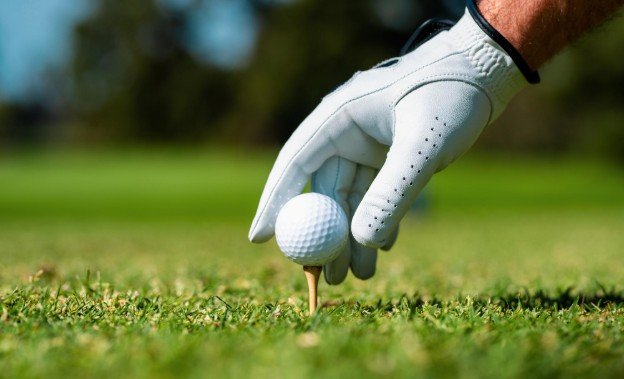
Add a Proper Junior Golf Glove
A golf glove may seem small, but it can make a big difference. Many young golfers grip the club too tightly because they are afraid it will slip.
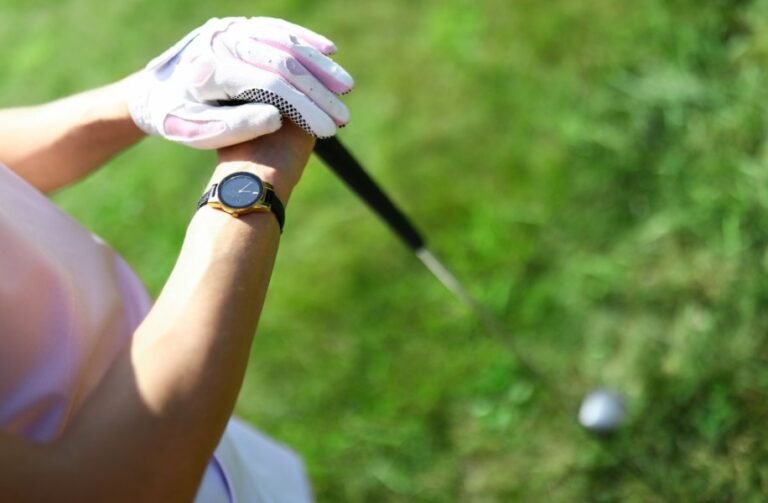
A well-fitted glove gives better control without extra hand pressure, and learning basic golf grip pressure tips for better shots can help young players hold the club with confidence instead of tension. A well-fitted glove gives better control without extra hand pressure.
The glove should feel snug but not uncomfortable. Loose material around the fingers or palm can make the grip feel messy. Breathable fabric is helpful for warm days, while a durable palm is useful for kids who practice often.
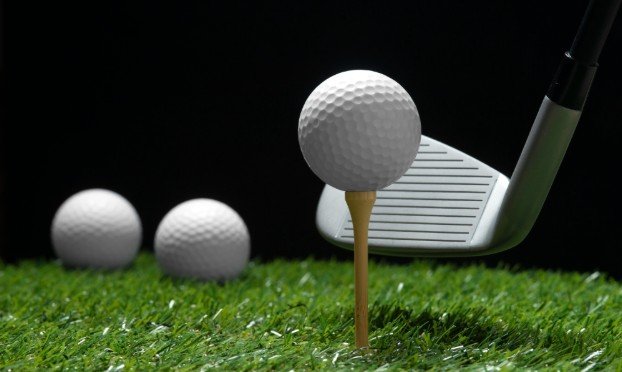
Buy Golf Balls That Match the Learning Stage
Young golfers do not need premium tour balls. Beginners are still learning direction, distance, and contact, so affordable soft golf balls are usually the better choice. Soft balls feel easier to hit and are less frustrating to lose.
For backyard practice, foam balls or plastic practice balls are useful. They allow kids to work on contact safely before moving to real golf balls at the range or course. Parents should keep the focus on learning, not on expensive balls.
Simple Practice Tools That Help
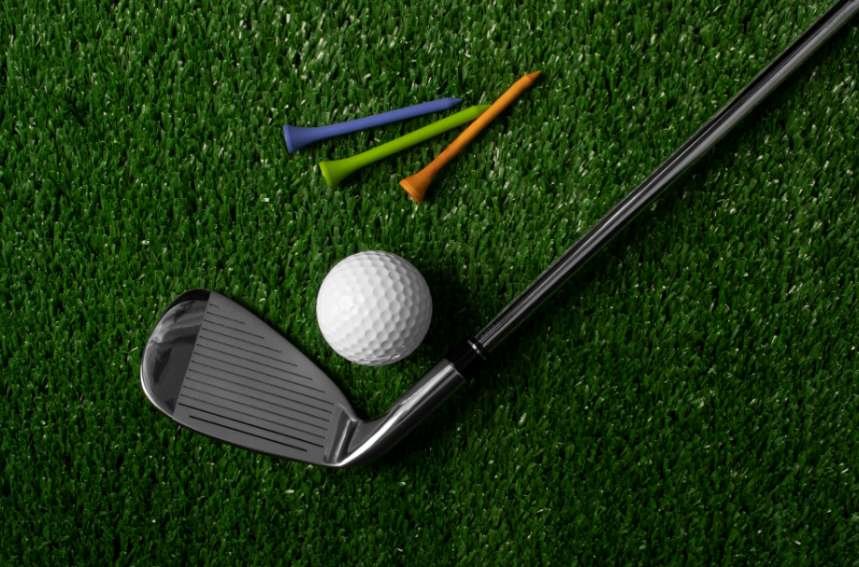
Practice tools should be simple. A putting mat, chipping net, foam and plastic golf balls, and alignment sticks can help kids improve at home.
Short practice sessions are often more effective than long sessions because young players stay focused when practice feels like a game.
Avoid filling the garage with complicated training aids too early. A beginner should first learn balance, aim, putting distance, chipping feel, and clean contact. Once those basics improve, more advanced tools can be added.
Should Young Golfers Use Golf Tech?
Golf watches, GPS devices, and rangefinders can help older juniors understand distance and club selection. However, young beginners usually do not need golf tech right away.
They need simple targets, clear instruction, plenty of encouragement, and a basic understanding of golf course etiquette for new golfers before they start playing regular rounds. They need simple targets, clear instruction, and plenty of encouragement.
For a junior who already plays regularly, a GPS watch can be useful because it gives quick yardages and helps with pace of play. A rangefinder may help tournament-focused players, but parents should always check event rules before depending on one.
Budget vs Premium Junior Golf Gear
Parents do not need to buy premium equipment on day one. If a child is just testing the game, start with a reliable beginner set and basic accessories. Spend more only when the player shows steady interest and begins practicing or playing more often.
Growing kids may outgrow clubs quickly, so value matters. A well-fitted beginner set is better than an expensive set that is too long or too heavy.
Older juniors who are close to adult height may need a more careful fitting because they are transitioning into stronger swings and longer clubs..
Frequently Asked Questions
1. What is the Best Junior Golf Equipment for Young Players?
The best setup includes properly fitted junior clubs, a lightweight bag, comfortable golf shoes, a fitted glove, soft golf balls, tees, and simple practice tools.
2. Should junior golf clubs be chosen by age or height?
Height is usually more reliable than age because children grow differently. Age can help narrow choices, but height and comfort should guide the final decision.
3. How many clubs does a beginner junior golfer need?
Most beginners only need a small set with a wood or hybrid, one or two irons, a wedge, and a putter. Too many clubs can confuse new players.
4. When should a child move to adult golf clubs?
A child should move to adult clubs only when their height, strength, and swing speed match the fit. Switching too early can make the game harder.
Final Thoughts
When I choose golf gear for a young player, I always ask one question first: will this make the game easier and more enjoyable? Kids do not need the fanciest clubs or the most expensive accessories.
They need equipment that fits their body, supports their swing, and keeps them excited to play again.
Best Junior Golf Equipment for Young Players is about comfort, control, and confidence. Start with the basics, upgrade only when needed, and let the child grow into the game naturally. When the gear feels right, golf feels less frustrating and a lot more fun.