

Golf has always had a reputation as a relaxing sport, but the experience changes dramatically when you leave the cart behind. Many golfers initially choose to walk simply because they want a little more exercise, only to discover that the benefits extend far beyond physical activity.
What starts as a way to get more steps often becomes a completely different way of experiencing the game.
The truth is that some of the biggest benefits of walking golf courses have very little to do with lowering your handicap.
Walking changes your pace, your perspective, and even your relationship with the course itself. It turns a few hours on the fairway into an activity that supports fitness, mental well-being, and social connection all at once.
Why Walking Feels Different From Riding
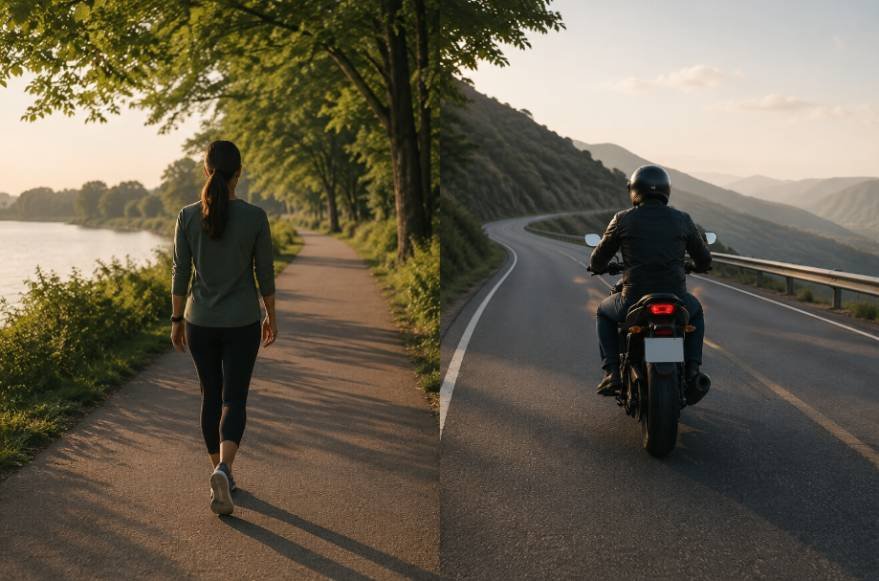
A golf cart gets you from shot to shot quickly, but it also removes much of the natural rhythm that makes golf unique. When you walk, every hole becomes a journey rather than a series of destinations.
You notice details that often go unseen from a cart. The firmness of the turf, subtle elevation changes, wind direction, and course conditions become easier to read.
Walking also gives you time to process each shot, think strategically, and stay engaged with the round instead of rushing through it.
Many golfers find that the game feels less hurried and more enjoyable when they travel the course on foot.
The Physical Benefits of Walking Golf Courses
One of the most obvious benefits of walking golf courses is the impact on overall fitness. Unlike many forms of exercise that feel repetitive or demanding, golf walking blends movement into an activity people already enjoy.
A Low-Impact Workout With Major Returns
Walking 18 holes can cover anywhere from four to seven miles, depending on the layout of the course. That often translates to more than 10,000 steps in a single round.
Because golf involves steady movement over several hours, it creates a form of moderate-intensity exercise that is easier on the joints than running while still delivering meaningful health benefits. For many players, it becomes one of the most enjoyable ways to stay active.
Increased Calorie Burn and Cardiovascular Health
Walking a course requires significantly more energy than riding in a cart. Depending on terrain, weather conditions, and individual body weight, golfers can burn between 1,500 and 2,000 calories during a full round.
The sustained movement also helps maintain an elevated heart rate over an extended period. This type of cardiovascular activity supports heart health, improves circulation, and can contribute to lower blood pressure over time.
Better Balance and Stability
Golf courses rarely offer perfectly flat terrain. Sidehill lies, uneven fairways, rough patches, and slopes constantly challenge the body’s stabilizer muscles.
These small adjustments strengthen the ankles, knees, hips, and core while improving balance and coordination. Over time, this can support better mobility and help golfers maintain physical function as they age.
How Walking Can Improve Golf Performance

While most people start walking for health reasons, many eventually notice subtle improvements in their performance.
More Time to Think Between Shots
Golf rewards smart decisions just as much as good swings. Walking naturally creates time between shots, allowing players to evaluate conditions, select clubs carefully, and commit to a strategy.
That extra thinking space often leads to better course management and fewer impulsive mistakes.
Staying Loose Throughout the Round
Anyone who has spent four hours sitting intermittently in a golf cart knows how easy it is for muscles to tighten up.
Continuous movement helps maintain flexibility in the hips, back, and shoulders.
For golfers who want better mobility and swing control, rotational movement training can also support stronger core movement beyond the course. Rather than cooling down between shots, the body stays warm and ready to swing.
Consistent Energy From Start to Finish
Many golfers experience mental and physical fatigue late in a round. Walking at a steady pace encourages better energy regulation and can help maintain focus deeper into the back nine.
Players who are exploring how to stay fit for golf often discover that walking regularly is one of the simplest habits they can add to their routine.
The Mental Benefits Many Golfers Don’t Expect
Physical health is only part of the story. Some of the most meaningful benefits of walking golf courses happen mentally.
A Natural Form of Mindfulness
Golf can be frustrating. Bad shots, missed putts, and difficult holes can quickly affect confidence.
Walking provides a built-in reset button. Instead of immediately driving to the next ball, players spend several minutes moving through the landscape, breathing deeply, and shifting their attention away from the previous shot.
Many golfers describe this as one of the most calming aspects of the game.
Less Stress and Better Focus
The simple act of looking beyond the scorecard can have a powerful effect. Walking encourages players to notice trees, wildlife, changing terrain, and open spaces.
This broader awareness reduces mental tension and creates a stronger sense of presence. By the time they reach their next shot, many golfers feel more focused and emotionally balanced.
Making the Switch From Cart to Walking

Transitioning to walking does not have to happen overnight.
A few simple adjustments can make the process much more comfortable:
- Invest in a quality push cart or electric trolley to reduce strain on your back and shoulders.
- Choose golf shoes with strong cushioning, arch support, and walking comfort.
- Start with 9-hole rounds before committing to a full 18-hole walk.
- Stay hydrated and carry light snacks to maintain energy levels.
- Select flatter courses initially while building endurance.
Most golfers are surprised by how quickly their fitness adapts after only a few rounds on foot.
Frequently Asked Questions:
1. Is walking a golf course better than using a cart?
For overall fitness and health benefits, walking generally provides more value. It increases physical activity, burns more calories, and helps golfers stay engaged with the course.
2. How many calories can you burn walking 18 holes?
The exact number varies, but many golfers burn between 1,500 and 2,000 calories during a full round, depending on terrain, weather, and individual factors.
3. Does walking improve golf performance?
Walking can improve focus, course management, and consistency. The extra time between shots often helps golfers make better decisions and maintain a steady rhythm throughout the round.
4. Can older golfers benefit from walking golf courses?
Yes. Walking is a low-impact activity that supports cardiovascular health, mobility, balance, and healthy aging when done at an appropriate pace.
Why the Walk Often Matters More Than the Round
The scorecard only captures a small part of what happens during a day on the golf course. Walking transforms the experience into something much richer.
It strengthens the body, sharpens the mind, encourages social connection, and creates a deeper appreciation for the game itself.
While lower scores are always welcome, many golfers eventually realize that the true reward comes from the experience between shots rather than the numbers written at the end of the round.
Sometimes the most valuable part of golf isn’t the destination. It’s the walk that gets you there.