When I first started paying attention to tees, I thought they were all the same. Grab one, push it into the ground, swing, and move on. But after enough broken wooden tees, awkward driver setups, and balls falling off before I even took the club back, I realized the right tee can make the game feel a lot easier.
Best Golf Tees for Beginners and Weekend Players are not about magic distance claims. They are about simple setup, steady tee height, better value, and less frustration during casual rounds.
For new golfers and players who only get out on weekends, the best tee is usually the one that helps you repeat the same setup without overthinking. A good tee should hold the ball securely, fit the club you are using, survive more than one swing when possible, and be easy to find in the grass.
Why Golf Tees Matter More Than Beginners Think
Golf tees are small, but they affect your first move on many holes. If the ball is teed too low with a driver, you may hit down too much and lose launch. If it is teed too high, you may pop the ball up or catch it too high on the face. If the height changes every hole, your swing has to adjust constantly.
Weekend players often struggle because they do not practice enough to adapt quickly. That is why tees with height markings, step designs, or wider cups can help.
They make the setup more repeatable, especially when you are trying to improve consistency and understand what is a good golf score for your current skill level.
That is why tees with height markings, step designs, or wider cups can help. They make the setup more repeatable, especially when you are playing a public course, a packed Saturday tee time, or a quick nine-hole round after work.
Best Tee Types for Casual Golfers
Wooden Golf Tees
Wooden tees are the classic choice. They are affordable, easy to buy in bulk, and accepted almost everywhere. Beginners who lose tees often may like wood because replacing them is cheap. The downside is durability. Wooden tees can snap often, especially with driver swings or hard tee boxes.
For casual players, wooden tees work best when you want a simple, low-cost option. Choose longer tees for drivers and shorter tees for irons, hybrids, and par-3 holes.
Plastic Golf Tees
Plastic tees usually last longer than wooden tees. They bend instead of breaking, which can save money over time. Many are brightly colored, making them easier to spot after a shot. This matters when you are walking, playing fast, or sharing a cart with friends.
The main drawback is that some courses prefer natural or biodegradable golf tees, so always follow local course rules. If plastic tees are allowed, they are a strong pick for weekend rounds because they reduce the need to keep reaching into your pocket.
Bamboo Golf Tees
Bamboo tees are a smart middle ground for golfers who want something natural but stronger than basic wood. They are usually affordable, lightweight, and better for players who care about reducing plastic use.
They may still break, but they are a good fit for beginners who want a more course-friendly option without paying too much.
Step-Up and Height-Marked Tees
This is where beginner-friendly tees stand out. Step-up tees, marked tees, and tees with built-in height guides help you place the ball at the same height again and again. That can be useful with a driver because most beginners struggle to judge height by eye.
A step tee can help you stop guessing. Push it into the ground until the step stops, place the ball, and swing. For players who only play once or twice a month, this can remove one small decision from the round.
Wide-Cup Tees
Wide-cup tees are helpful for players who struggle to balance the ball. They make the ball easier to place, especially when your hands feel rushed, the tee box is uneven, or the wind is moving. Some beginners also like wide-cup tees because they feel more stable at address.
They will not fix a slice or poor contact by themselves, but they can make the setup calmer.
How to Choose the Right Golf Tee Length
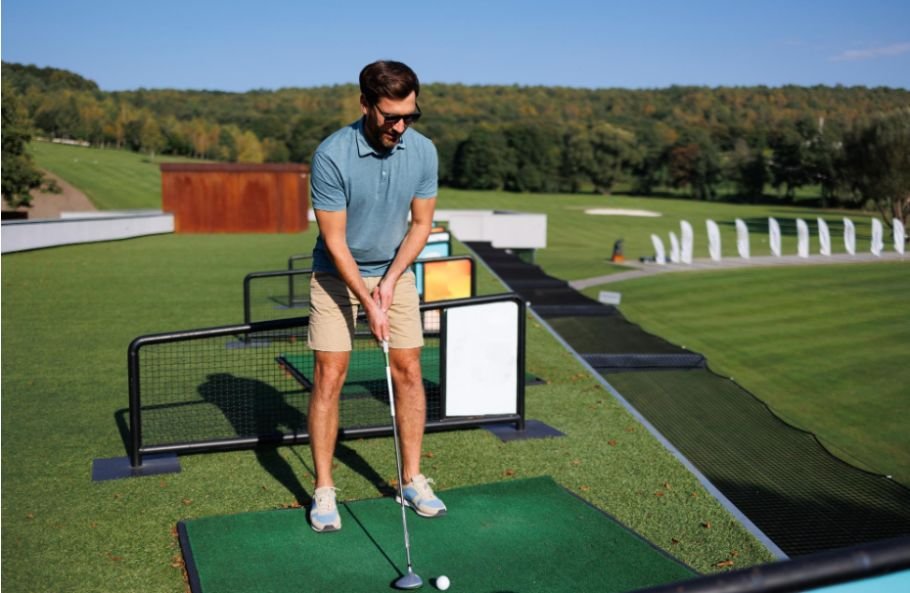
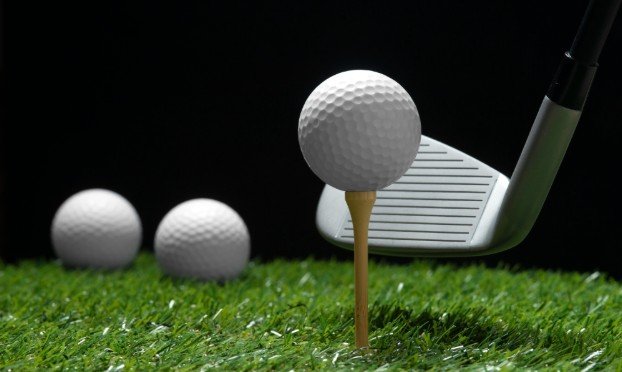
Tee length depends mostly on the club. For a driver, many beginners do well with a tee around 2.75 inches to 3.25 inches. The goal is to have roughly half the ball above the top edge of the driver when the club rests behind it.
For fairway woods and hybrids, use a lower tee height. The ball should sit just above the grass. For irons on par-3 finishing holes, use a short tee or push a longer tee nearly all the way down. The goal is not to lift the ball high. It is to give yourself a clean lie.
Weekend golfers should carry two types of tees: longer tees for drivers and shorter tees for irons or hybrids. That simple setup covers most holes.
Do Expensive Golf Tees Really Add Distance?
Some tees claim better distance, less friction, or straighter shots. Those claims can sound exciting, but beginners should be careful. A tee may help with setup and consistency, but it will not replace solid contact, face control, and a balanced swing.
For most casual players, the best value comes from tees that solve simple problems. If you break tees often, try durable plastic or bamboo. If your driver height changes every hole, try height-marked or step-up tees. If you struggle to balance the ball, try a wide-cup tee.
The goal is not to buy the most advanced tee. The goal is to make the first shot on each hole feel easier.
Best Golf Tees for Different Beginner Needs
If you want the simplest all-around choice, start with standard wooden or bamboo tees in two lengths. They are affordable and easy to replace.
If you want better durability, plastic tees are a strong option. They are useful for players who hit driver often and hate cleaning broken tee pieces off the tee box.
If you want consistent driver height, choose step-up or marked tees. These are especially helpful for beginners who never know how high to tee the ball.
If you mostly play par-3 courses, executive courses, or short local layouts, carry short tees for irons and hybrids. You do not need tall driver tees on every hole.
Parents buying tees for kids can also pair them with the best junior golf equipment for young players so the full setup feels comfortable, beginner-friendly, and easy to use.
If you play only on weekends, choose tees that make the game faster and simpler. Easy setup matters more than tiny performance claims.
Frequently Asked Questions
1. What are the Best Golf Tees for Beginners and Weekend Players?
The best choices are wooden tees for budget value, plastic tees for durability, bamboo tees for a natural option, and step-up tees for consistent driver height.
2. Are plastic or wooden golf tees better for beginners?
Plastic tees last longer, while wooden tees are cheaper and more traditional. Beginners who lose tees often may prefer wood, while players who break tees often may prefer plastic.
3. What tee height should a beginner use for a driver?
A beginner should usually tee the ball so about half of it sits above the top of the driver head. This helps promote a cleaner launch without overcomplicating setup.
4. Do golf tees really affect performance?
Golf tees can affect setup, comfort, and consistency. They usually do not create huge distance gains by themselves, but the right tee can help you prepare for better contact.
Final Takeaways
After trying different tee styles, I think the smartest choice is the one that removes stress from the tee box.
Best Golf Tees for Beginners and Weekend Players should be affordable, easy to use, durable enough for casual rounds, and simple to match with your clubs.
I would keep it practical. Carry long tees for drivers, short tees for irons, and try a height-marked or step-up tee if you struggle with consistency.
Once the setup feels automatic, you can focus less on the tee and more on making a confident swing.