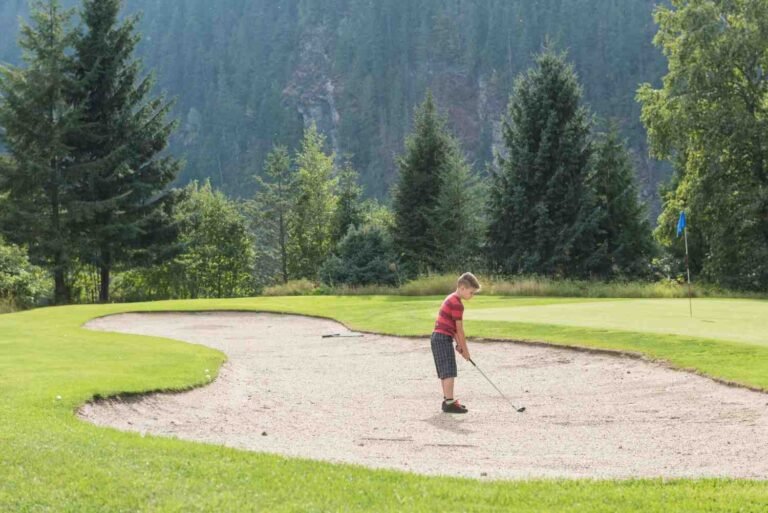
Your first golf course can either make golf feel exciting or make you wonder why anyone enjoys the game. Pick a course that is too long, too tight, or packed with water hazards, and your round can quickly turn into lost balls, rushed swings, and pressure from faster players behind you. Pick the right one, and the game feels easier to understand, more welcoming, and a lot more fun.
That is why learning how to choose a golf course for beginners matters before you book a tee time. I would not start with the most famous or most expensive course nearby. I would start with a place that gives new golfers room to miss, shorter holes to build confidence, forward tees to reduce pressure, and practice areas to warm up before the first swing.
For beginners in the United States, the best course is not the hardest one. It is the one that makes you want to come back for another round.
What type of golf course is best for beginners?
A Par-3 course, pitch and putt course, executive course, or 9-hole public golf course is usually the best place to start. On a Par-3 course, every hole is short enough to focus on irons, wedges, chipping, and putting. That is why many new players search for par 3 golf courses for beginners before booking their first tee time.
An executive golf course is a useful next step because it mixes Par-3 holes with shorter Par-4 holes, so you can try a driver or fairway wood without facing a full championship layout.
A 9-hole round also works well because it usually takes around two hours and keeps fatigue low. You can learn pace, etiquette, scoring, and club selection in a relaxed setting.
Why should new golfers avoid difficult championship courses?

Full-sized championship courses often include long holes, narrow fairways, deep bunkers, fast greens, forced carries, and heavy water hazards. A beginner friendly golf course should give you room to miss. Wide fairways matter because most new golfers slice, hook, top, or thin shots while learning.
If every fairway is bordered by houses, woods, out-of-bounds stakes, or water, you may spend more time searching for balls than playing. The right beginner layout should feel forgiving enough to help you practice real golf without feeling rushed or embarrassed.
What scorecard numbers should beginners check?
Before booking a tee time, open the course scorecard online and start with the tee boxes. A good beginner course should offer forward tees, often marked red, green, gold, or another shorter tee color. For many new players, a total course length between 4,500 and 5,500 yards from the forward tees is far more manageable than anything over 6,000 yards.
Next, check the course rating and slope rating. Course rating estimates difficulty for a scratch golfer, while slope rating shows relative difficulty for bogey golfers and higher-handicap players. Beginners should usually look for a course rating under 70.0 and a slope rating under 120.
How can beginners check the course layout before playing?
A course website, scorecard map, or Google Maps satellite view can tell you a lot before you arrive. Look for open fairways, simple hole shapes, clear routes from tee to green, and minimal water hazards. Avoid layouts where every hole appears tightly lined by houses, dense trees, or out-of-bounds stakes.
Pay special attention to forced carries. A forced carry means you must hit the ball completely over a lake, creek, ravine, or large bunker just to reach a safe landing area. Beginners should avoid courses with too many forced carries because one weak shot can immediately become a penalty.
What practice facilities and amenities matter most?
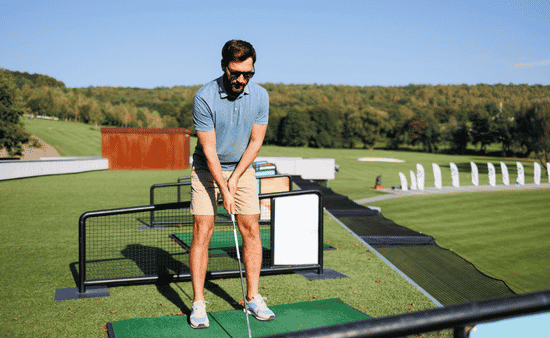
A strong beginner golf course should support learning before you step on the first tee. A driving range helps you warm up your full swing. Putting green helps you adjust to green speed. A chipping area gives you a place to practice short shots. Rental clubs are also useful if you do not own a set yet, especially when the pro shop offers forgiving options.
In the US, many municipal and public golf courses also offer beginner clinics, group lessons, and relaxed practice areas. These features make early visits easier before you invest heavily in gear.
How much should beginners spend on a golf course?
New golfers do not need expensive resort courses or private clubs to enjoy the game. Affordable public courses are often better because they create less pressure. Look for weekday tee times, twilight rates, 9-hole pricing, junior or senior discounts, and local municipal course deals.
Before booking, confirm whether the green fee includes a cart or if walking is expected. Also check the dress code, rental club cost, range ball price, and cancellation policy. A lower-cost course close to home can help you practice more often.
When should beginners book a tee time?
The best tee time for beginners is usually when the course is less crowded. Weekend mornings are often busy and faster-paced, so they can feel stressful for new players. A weekday afternoon, late morning, twilight slot, or quiet Sunday evening is usually more relaxed.
If you feel nervous, call the pro shop and ask when beginners usually have the easiest time playing. Most staff members can recommend slower hours, explain pace-of-play expectations, and suggest the right tees for golf.
How do online reviews help beginners choose?

Reviews can reveal what a scorecard cannot. Check Google reviews, GolfPass, Yelp, TripAdvisor, or local golf forums to see whether players describe the staff as friendly, the pace as reasonable, and the course as welcoming to newcomers.
Watch for comments about confusing layouts, rude staff, poor signage, slow play, crowded tee times, or overly strict course culture.
Frequently Asked Questions (FAQs)
1. Should beginners play 9 holes or 18 holes first?
Start with 9 holes because it is shorter, less tiring, and easier for learning pace, rules, club selection, and course etiquette.
2. What slope rating is good for a beginner golfer?
A slope rating under 120 is usually a better target because it suggests a more forgiving course for higher-handicap players.
3. Are Par-3 courses good for new golfers?
Yes, Par-3 courses build confidence with irons, wedges, chipping, putting, and short-game control.
4. Should beginners play from the forward tees?
Yes, forward tees make the course shorter, improve pace of play, lower pressure, and create a better first-round experience.
Final thoughts
The best way to remember how to choose a golf course for beginners is to focus on comfort, forgiveness, and confidence. Choose shorter yardage, forward tees, lower slope ratings, wide fairways, fewer forced carries, good practice facilities, and a welcoming public-course environment.
Once you can keep pace, control more shots, and enjoy a 9-hole round without feeling overwhelmed, you can gradually try longer and more difficult courses. The right first course is the one that makes you want to come back and play again.