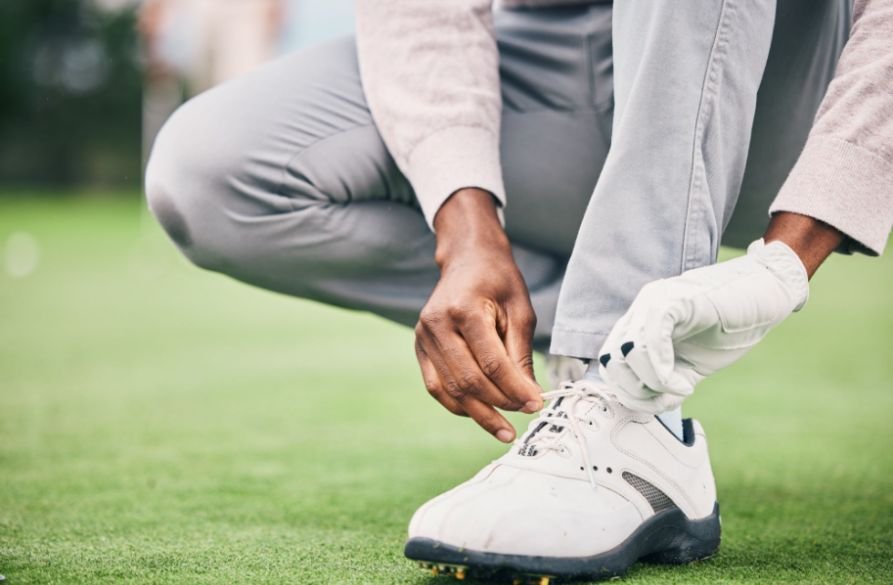
Walking 18 holes asks more from footwear than riding in a cart. I want cushioning that stays comfortable for hours, an outsole that bends naturally, enough grip for a confident swing, and an upper that locks down my heel without squeezing my toes.
The best golf shoes for walking should feel like quality athletic footwear while still providing the lateral support and ground connection golf demands.
Current 2026 testing reflects that balance. MyGolfSpy named the Under Armour Drive Pro Clone SL its “Best for Walking 18,” while Golf Monthly’s current walking guide highlights models from FootJoy, ECCO, Skechers, adidas, Under Armour, and Sun Day Red for different needs.
Which Golf Shoes Are Best for Walking 18 Holes?
Under Armour Drive Pro Clone SL: Best All-Around Spikeless Choice
For golfers who walk more than they ride, the Drive Pro Clone SL is a strong starting point. MyGolfSpy praised its adaptive Clone upper and dual-foam cushioning. Golf Monthly found that its TPU-and-rubber spikeless outsole provides useful lateral support and traction, although breathability can be less impressive in extreme heat.
This combination makes sense for golfers who want sneaker-like walking comfort without giving up the stability needed during a full swing.
FootJoy Quantum: Best for Maximum Cushioning
If soft underfoot comfort is my priority, I would consider the FootJoy Quantum. Golf Monthly currently rates it as its most comfortable walking option and reports excellent cushioning over multiple rounds.
The tradeoff is that an extremely plush platform can give slightly more during the swing. Golfers who generate a lot of speed or prefer a firm connection with the turf may want a more structured midsole.
ECCO Biom C5: Best for Wide Feet and Wet Conditions
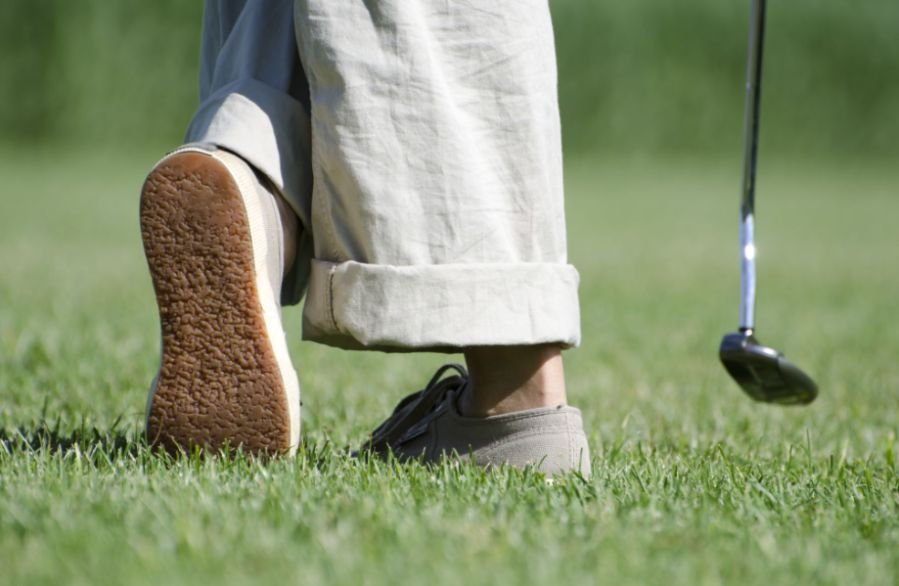
The ECCO Biom C5 stands out for golfers who need extra room along with weather protection. MyGolfSpy selected it for both wide feet and wet conditions in its 2026 testing.
ECCO says the shoe uses GORE-TEX Surround waterproof technology with 360-degree breathability, while its E-TTS outsole provides multi-directional traction. That makes it especially appealing for morning dew, rainy rounds, and courses where conditions change throughout the day.
Skechers Go Golf Prestige: Best for Arch Support
Golf Monthly highlights the Skechers Go Golf Prestige for its Arch Fit support and heel comfort over 18 holes.
Golfers with flat feet, or anyone who prefers more arch support, may appreciate that design. I would still try an arch-support shoe before buying because the height and position of the support need to match your individual foot shape.
adidas S2G SL: Best Value for Regular Walkers
The adidas S2G SL gives golfers a running-shoe-inspired design at a more accessible price. Golf Monthly praises its lightweight construction, waterproofing, wide-foot friendliness, and ability to transition from the course to the driving range or clubhouse.
Its spikeless traction makes the most sense on firm and relatively dry courses. Golfers who regularly play muddy or very soft turf may prefer a more aggressive outsole.
What Midsole Cushioning Is Best for Walking a Golf Course?
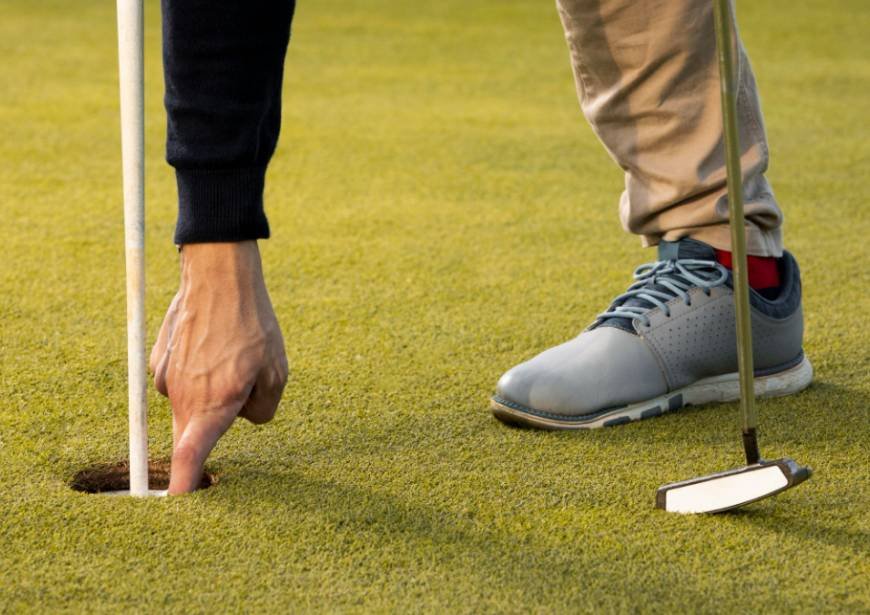
I look for cushioning that absorbs repeated heel-strike impact without turning the shoe into an unstable platform. Responsive or dual-density foams can combine softer impact protection with firmer support during rotation. This creates the balance I want between walking comfort, energy return, and swing stability.
Heel-to-toe drop also matters. A moderate or lower-drop platform can provide a more natural walking sensation for some golfers, but lower is not automatically better.
Research involving athletic footwear shows that heel-to-toe drop changes lower-limb loading, and lower-drop shoes can increase demand on the calf and Achilles. I would choose a platform that feels natural with my normal gait rather than assuming minimal drop will automatically reduce fatigue or lower-back strain.
Why Do Flex Grooves and Outsole Traction Matter?
A walking-friendly outsole should bend through the forefoot as you push away from the ground. Horizontal flex grooves help the sole flex more naturally instead of forcing your foot to fight a rigid platform.
The shoe still needs torsional support. Too much flexibility can make your feet feel unstable when you load into the backswing and rotate aggressively through impact.
Spikeless golf shoes generally use rubber nubs or molded lugs. They tend to feel lighter and more flexible and are convenient when walking from the parking lot to the clubhouse.
Spiked golf shoes prioritize wet-weather traction. Their sole plates generally require enough structure and cushioning to prevent individual cleats from creating uncomfortable pressure points underfoot. For dry, firm courses, I usually favor spikeless designs. For wet grass, soft turf, or hilly courses after rain, I would accept a little extra weight for stronger grip.
Reliable traction is especially helpful when walking near sloped banks, water, and other penalty areas where footing can become uneven. Beginners should also understand red stakes vs yellow stakes golf so they know how different penalty areas affect their relief options when a shot finishes in trouble.
How Should Golf Shoes Fit for Walking 18 Holes?
A well-designed anatomical last should wrap securely around the heel and midfoot while leaving enough space in the toe box for natural movement.
I do not want heel slip because repeated friction can contribute to blisters. At the same time, a narrow forefoot can become increasingly uncomfortable as the round progresses.
Golfers with wide feet should look for the correct width instead of simply buying a longer shoe. An accommodating toe box gives the forefoot more usable space while allowing the heel to remain properly secured.
Are Waterproof Golf Shoes Too Hot for Summer?
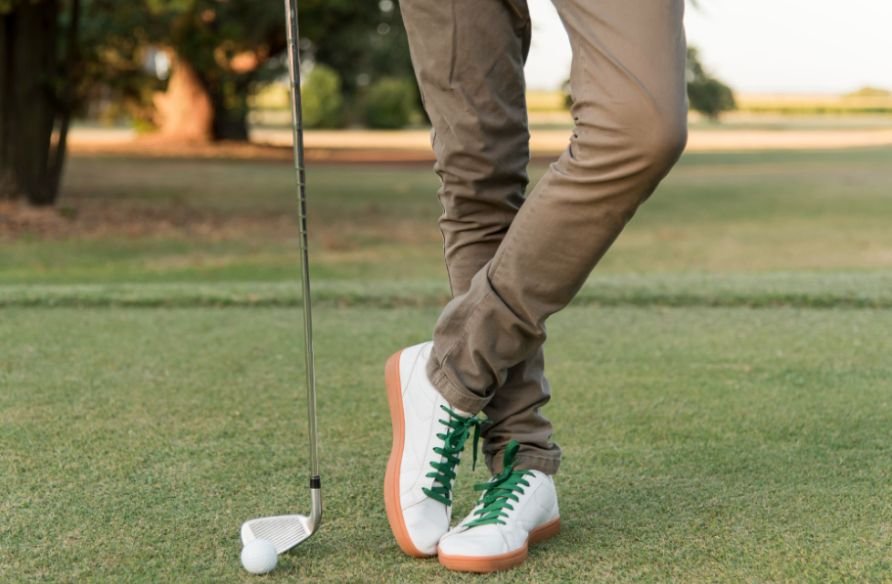
Not necessarily. Modern waterproof golf shoes can use lightweight, multi-layer membranes designed to block outside moisture while allowing some heat and moisture vapor to escape.
ECCO’s Biom C5, for example, combines GORE-TEX Surround with airflow features intended to improve waterproof protection without completely sacrificing breathability.
Wet-weather comfort also depends on keeping a secure grip on the club. Pairing waterproof footwear with the best rain golf gloves can help you maintain traction both underfoot and in your hands when playing through rain, dew, or damp course conditions.
For humid summer golf in Florida or Texas, I would still prioritize ventilation. For early tee times in the Midwest, Northeast, or Pacific Northwest, waterproofing becomes more valuable because morning dew can soak a non-waterproof upper surprisingly quickly.
Frequently Asked Questions
1. Are Spikeless Golf Shoes More Comfortable for Walking?
Often, yes. Their molded traction systems can create a lightweight, flexible, sneaker-like feel. However, overall comfort also depends on cushioning, heel lockdown, arch support, shoe weight, toe-box width, and your individual foot shape.
2. What Are the Best Golf Shoes for Walking if I Have Wide Feet?
Look for a naturally accommodating or dedicated wide last, secure heel support, and adequate forefoot space. The ECCO Biom C5 and adidas S2G SL are two current models recognized for accommodating wider feet. Trying shoes on remains the most reliable way to judge your personal fit.
3. Should New Golf Shoes Feel Tight?
They should feel secure, not restrictive. Minor upper stiffness may soften, but pinching, heel rubbing, numbness, or compressed toes usually point to a sizing or width problem rather than something that simply needs to be broken in.
Final Verdict: Comfort Must Work With Stability
When I choose walking golf shoes, I judge the entire system rather than cushioning alone. Midsole construction, energy-return foam, heel-to-toe geometry, forefoot flex grooves, outsole traction, midfoot lockdown, toe-box space, waterproof membranes, breathability, and overall weight all influence how a shoe performs over a long round.
For many golfers, spikeless models offer the strongest combination of flexibility, lightweight comfort, and off-course versatility. Players who regularly face wet, soft, or steep courses may benefit more from spikes.
Ultimately, the right pair should stay comfortable deep into the back nine while still giving you the stable foundation needed to make a confident swing.