
Watching senior golfers play smooth, effortless rounds often reveals a secret that has little to do with strength. A well-practiced golf posture guide for seniors can improve balance, reduce physical strain, and help create more consistent ball striking. Small setup adjustments often make a bigger difference than swing changes, especially for golfers looking to stay comfortable and competitive as they age.
Key Takeaways
- Proper posture helps senior golfers stay balanced and swing more efficiently.
- Standing slightly taller can reduce lower back and knee strain.
- Simple foot position adjustments improve hip rotation and mobility.
- Correct weight distribution encourages cleaner ball contact.
- Following a golf posture guide for seniors can improve comfort and consistency..
Benefits Of Better Golf Posture
The right posture creates a strong foundation for every shot.
Improved Balance
Balance plays a major role in consistent golf performance. A stable setup keeps the body centered throughout the swing. Senior golfers often notice improved control and fewer mishits when their posture supports proper weight transfer and body rotation.
Reduced Physical Strain
Comfort should never be overlooked on the golf course. A neutral spine position and relaxed setup help reduce pressure on the lower back, hips, knees, and shoulders. This makes it easier to enjoy longer rounds without unnecessary fatigue.
More Efficient Rotation
A good setup encourages natural movement. When posture supports proper hip and shoulder turn, golfers can generate smoother swings and maintain clubhead speed without forcing extra effort.
The Senior Setup Guide
The best golf posture combines comfort, stability, and freedom of movement.

The Stance And Foot Position
Small changes in foot placement can unlock better mobility.
For right-handed golfers, pulling the trail foot back about two inches creates a slightly closed stance. This preset position helps reduce tension in the hips and encourages a fuller shoulder turn even with limited flexibility.
Flaring both feet outward around 20 to 30 degrees improves lower body mobility and makes it easier to rotate through impact. Many senior golfers find this simple adjustment immediately improves comfort during the swing.
A slightly narrower stance often works better than an excessively wide setup. Bringing the feet in by an inch or two helps improve balance, weight transfer, and overall control throughout the swing.
Spine And Knee Angles
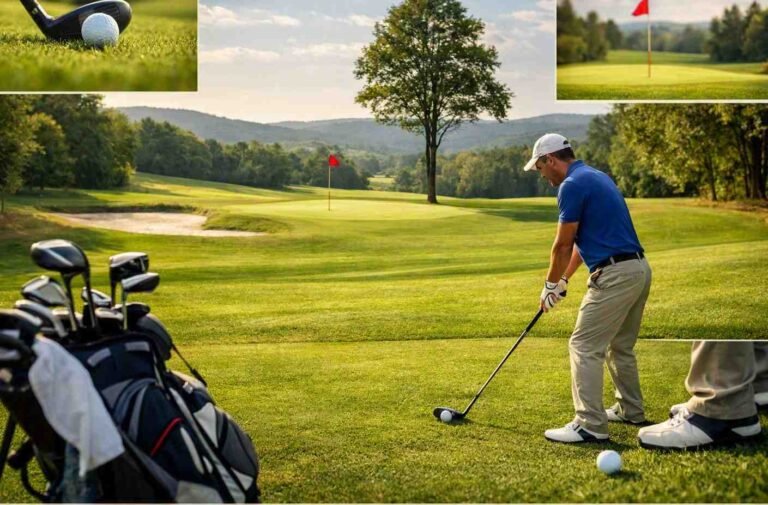
Posture should feel athletic without creating tension. Many younger golfers use a deep athletic squat, but that position can place unnecessary stress on senior joints. Standing slightly taller with soft knees allows for greater comfort and freedom of movement.
To establish the correct posture, stand tall with the club resting lightly against your legs. Hinge forward from the hips while keeping the back straight and the chest comfortably lifted.
The arms should hang naturally beneath the shoulders. This relaxed position promotes smooth movement and helps eliminate excess tension before the swing begins.
Weight Distribution
Proper weight placement supports cleaner contact. Many senior golfers unknowingly start with too much weight on the trail foot. This often causes swaying and inconsistent strikes during the downswing.
Starting with roughly sixty percent of your weight on the lead foot encourages a more controlled motion. This setup allows pressure to shift naturally during the backswing without losing balance.
A centered setup also helps golfers strike the ball more consistently while improving overall rhythm and tempo.
Club-Specific Posture Adjustments
Different clubs require small setup modifications.

Setup For Irons
Iron shots require precise ball-first contact. Position the ball slightly back in the stance, generally around the center of the chest. This setup helps create a downward strike that produces crisp contact and improved distance control.
Maintaining a slight bump of the hips toward the target encourages a better low point during the swing. This adjustment often helps senior golfers eliminate fat and thin shots.
Setup For The Driver
Adding a slight upper-body tilt away from the target promotes a more powerful and efficient driver swing while maintaining balance throughout the motion.
Everyday Tips That Make A Difference

Simple habits often create lasting improvements. Before every shot, take a few seconds to check your stance, knee flex, and spine angle. Consistency begins with a repeatable setup routine that becomes second nature over time.
Practicing posture in front of a mirror can also help identify issues that are difficult to feel during a round. Visual feedback often speeds up improvement.
Adding gentle stretching and mobility exercises before playing can further enhance rotation, balance, and comfort throughout the round.
Common Posture Mistakes To Avoid
Even experienced golfers can develop setup flaws.
Standing Too Far From The Ball
Reaching for the ball often creates balance problems. Allowing the arms to hang naturally beneath the shoulders promotes better control and more consistent ball striking.
Excessive Knee Bend
Too much knee flex can restrict movement. A posture that feels relaxed and athletic supports smoother rotation while reducing stress on the lower body.
Rounded Shoulders
Poor upper-body posture limits shoulder turn.
Keeping the chest up and shoulders relaxed helps create a more efficient swing and encourages better club delivery.
Frequently Asked Questions
1. What is the best stance for senior golfers?
The best stance for senior golfers is slightly narrower than shoulder width with soft knee flex, flared toes, and balanced weight distribution. This setup improves stability, promotes better rotation, and reduces unnecessary strain on the joints.
2. How far should a 70 year old hit his golf clubs?
Most recreational golfers around age 70 typically hit a driver between 180 and 220 yards. Distance varies depending on fitness level, flexibility, swing mechanics, equipment, and overall playing experience.
3. What is the 70/30 rule in golf?
The 70/30 rule generally refers to placing approximately seventy percent of weight on the lead foot during certain short-game shots. This helps improve ball-first contact, control trajectory, and maintain consistency around the greens.
4. What is the number one mistake senior golfers make when playing golf?
One of the biggest mistakes is neglecting proper setup fundamentals. Poor posture often leads to balance issues, restricted rotation, inconsistent contact, and unnecessary physical strain throughout the golf swing.
Swing Easier And Enjoy Every Round
Following a proper golf posture guide for seniors can transform the way the game feels and performs. By standing slightly taller, improving foot position, maintaining a neutral spine, and using better weight distribution, senior golfers can enjoy greater comfort, cleaner contact, and more consistent results. Small posture adjustments may seem simple, but they often unlock the biggest improvements on the golf course.