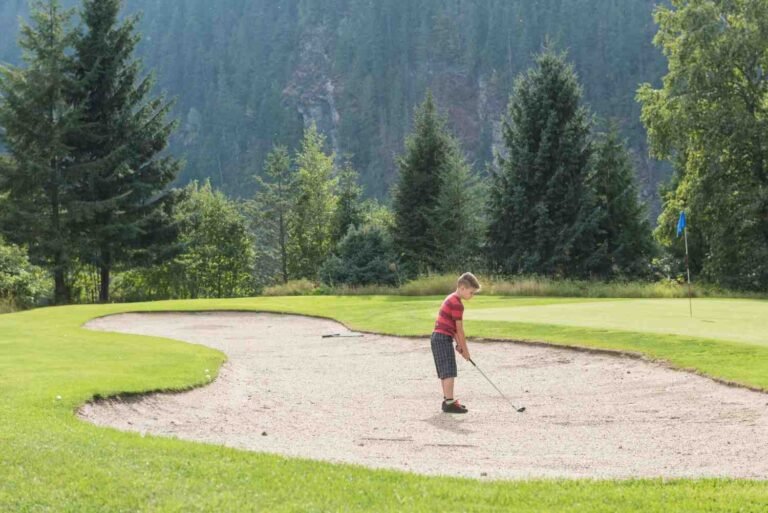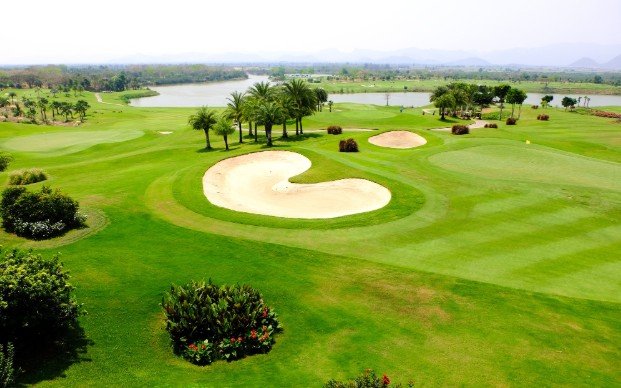
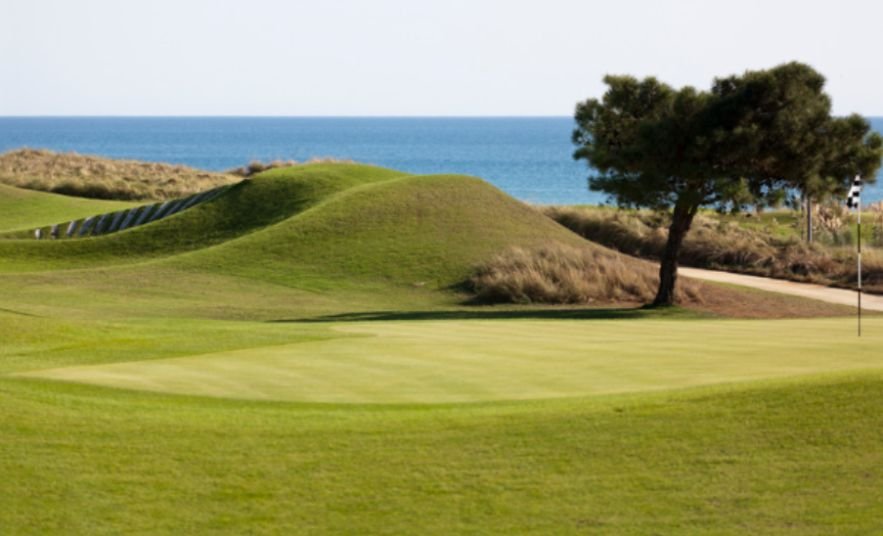
When I first began comparing golf courses, I assumed the difference was mainly visual. One appeared rugged and windswept, while the other looked green, polished and carefully landscaped. I soon discovered that the distinction affects nearly every shot. Understanding links course vs parkland course conditions can change how I select clubs, control the ball and plan my way around all 18 holes.
Although neither design is automatically better, each demands a different golfing mindset. Links golf encourages imagination, trajectory control and the use of natural contours. Parkland golf typically rewards accuracy, predictable carry distances and well-struck aerial approaches.
What Is a Links Golf Course?
A genuine links course is built on coastal linksland, usually over sandy, free-draining soil. The style originated in Scotland, where land near the sea was unsuitable for farming but naturally suited to golf.
Traditional links layouts contain few trees. Instead, golfers encounter rolling dunes, deep pot bunkers, firm turf, long native grasses and uneven lies. Architects generally work with the existing landscape rather than dramatically reshaping it.
Wind is one of the defining challenges. With limited shelter, its speed and direction can alter from one hole to the next. A club that normally carries a reliable distance may produce a completely different result when played into a strong coastal breeze.
Firm ground also produces considerable bounce and roll. Rather than flying every approach directly onto the green, golfers can land shots short and use the contours to move the ball toward the target. This is commonly called the ground game.
What Makes a Course a True Links?
Not every seaside layout or course containing “Links” in its name qualifies as genuine linksland. Unlike the frozen, treeless conditions of the arctic tundra, a true links course normally combines:
- A coastal location
- Naturally sandy soil
- Excellent drainage
- Firm, fast-playing turf
- Open, largely treeless terrain
- Dunes, native grasses and natural contours
- Regular exposure to coastal weather
An inland course can imitate these characteristics, but it is more accurately described as links-style.
What Is a Parkland Golf Course?

A parkland course is generally constructed inland and resembles a landscaped park. Its holes are frequently framed by mature trees, dense rough, ornamental planting and carefully maintained fairways.
Compared with links turf, the ground is usually softer and greener. Many parkland sites contain clay or loam soils that retain more moisture. Irrigation and intensive maintenance help preserve the lush appearance golfers associate with this design.
Trees, ponds, streams and shaped bunkers provide much of the strategic challenge. A misplaced drive may leave the golfer blocked by branches, while water hazards can require the ball to remain airborne until it reaches a safe landing area.
Parkland greens are often receptive enough for a high approach to land and stop. Consequently, accurate carry distance, spin control and dependable iron play become especially valuable.
The Biggest Differences Between the Two Styles
Location creates the most obvious distinction. Links courses developed beside the sea, whereas parkland layouts were generally created inland.
Their playing surfaces are equally important. Sandy linksland drains rapidly and normally stays firm after rain. Moisture-retaining parkland soil can become softer, and prolonged rainfall may affect drainage and playability.
Links fairways are open but unpredictable. A shot landing in the correct area can still take an awkward bounce. Parkland holes appear more clearly defined, but narrow tree-lined corridors can severely punish inaccurate drives.
Hazards differ as well. Links layouts use pot bunkers, dunes, gorse, and thick native grass. Course designers may effectively build a underground bunker into the natural contours, creating deep hazards that demand precise recovery shots. Parkland courses rely more heavily on trees, lakes, streams, constructed bunkers, and maintained rough.
How Each Course Changes Golf Strategy

The central lesson in links course vs parkland course strategy is that golfers should not use the same shot plan everywhere.
Course terrain can also place different demands on the body. Uneven lies, firm ground and repeated rotation may feel more challenging when mobility is limited, so using golf stretches for tight hips before a round can help golfers feel more comfortable before tackling either style of layout.
On linksland, keeping the ball low can reduce the wind’s influence. Taking an extra club and swinging smoothly is often more controllable than forcing a shorter club. Bump-and-run approaches, low punches and even putts from beyond the green can be practical choices.
Golfers must also consider where the ball will finish after bouncing. Landing directly beside the flag may send an approach through the back of a firm green. A safer target could be several yards short.
Parkland golf usually places greater emphasis on flight. Players may need to carry bunkers or water and stop the ball quickly. Reliable yardages therefore matter. Tree-lined doglegs can also reward a controlled draw or fade, while an inaccurate drive may force a sideways recovery.
Club Selection Considerations
Links conditions favor clubs and shots that control trajectory. Long irons, hybrids and lower-lofted clubs can produce useful running approaches. Wedges require careful execution because tight, firm lies leave little margin for error.
On parkland courses, higher-lofted wedges help golfers stop shots on softer greens. Fairway woods and hybrids can also be useful when an approach must carry a hazard or travel from thicker rough.
Changing an entire set is rarely necessary. Adapting shot selection is normally more valuable than adding specialized equipment.
Which Golf Course Is Harder?

Links courses are often considered harder because wind, uneven lies and unpredictable bounces introduce uncertainty. However, they are not automatically more difficult.
A wide links fairway may offer several routes toward the green. Meanwhile, a narrow parkland hole with water on one side and mature trees on the other can demand exceptional accuracy. Course length, rough height, green speed, weather and tee selection influence difficulty more than the category alone.
Course style is only one part of choosing where to play. Golfers should also understand public vs private golf courses because access, pricing, tee-time availability, amenities, and playing conditions can influence the overall experience just as much as the layout itself.
Golfers who naturally hit high shots may struggle in strong links wind. Players who depend on open driving areas may find tree-lined parkland layouts more restrictive.
Maintenance and Environmental Differences
Linksland’s natural drainage can reduce the disruption caused by heavy rain. Its native grasses and firmer presentation may also require less irrigation and intensive mowing than a highly manicured parkland property.
The physical demands of either layout can also add up over 18 holes, especially after walking uneven terrain and making repeated swings. Finishing with a few golf cool down stretches after playing can help restore comfortable movement after a long round and make post-round recovery feel easier.
Parkland layouts often demand more water, drainage work, mowing, and landscape management. Because frequent lawn mowing lowers biodiversity by limiting native plant growth and wildlife habitat, some inland clubs are adopting links-inspired practices, including firmer surfaces, natural rough, and improved drainage. These changes can reduce maintenance demands, but they do not transform inland land into genuine links.
Frequently Asked Questions
1. What is the main difference in links course vs parkland course design?
Links courses occupy sandy coastal terrain and emphasize wind, firm turf and natural contours. Parkland courses are generally inland, greener and defined by trees, softer surfaces and constructed hazards.
2. Can an inland golf course be a true links course?
Traditionally, no. An inland course can recreate firm turf, open sightlines and pot bunkers, but it is normally classified as links-style rather than true linksland.
3. Are links courses playable after heavy rain?
They frequently recover quickly because sandy soil drains efficiently. Actual playability still depends on rainfall volume, maintenance and local conditions.
4. Which type is more suitable for beginners?
A forgiving parkland course may offer predictable bounces and sheltered conditions. However, wide links fairways can also help beginners if the wind is moderate and rough is manageable.
5. Why are there fewer trees on links courses?
Traditional linksland is naturally exposed coastal terrain. Sandy soil, salt air and strong winds do not support the dense tree growth commonly found on inland layouts.
The Final Round
After comparing both styles, I would choose according to the experience I want rather than declaring one universally superior. Links golf gives me freedom to invent shots, use slopes and respond to changing weather. Parkland golf tests my accuracy, distance control and ability to navigate carefully framed holes.
Playing both is the best way to become more adaptable. Once I understand the land beneath the ball and the hazards ahead, I can stop fighting the course and start selecting shots that genuinely suit it.