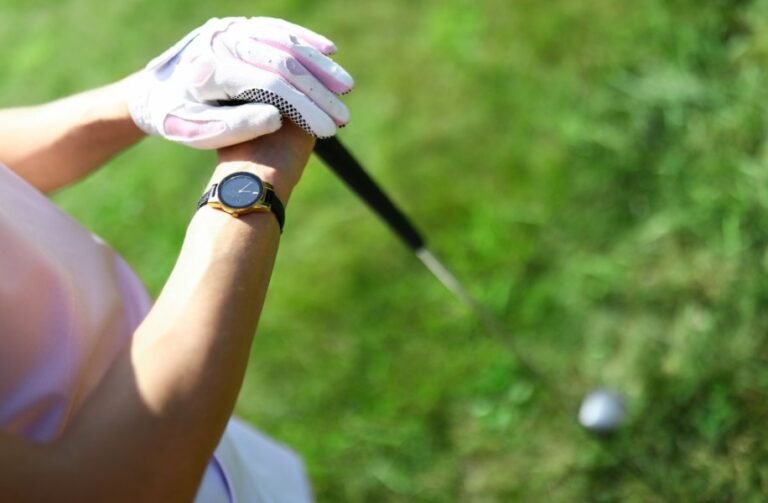

When summer golf turns your glove into a damp rag by the back nine, soft leather alone is not enough. For US golfers dealing with Florida humidity, Texas heat, or sticky midsummer rounds anywhere in the country, the best golf glove for sweaty hands needs to manage moisture without sacrificing control.
I look first at ventilation, wet grip, drying speed, and durability, then at feel. That approach often favors breathable golf gloves made with synthetic mesh, hybrid construction, or rain-performance materials rather than a basic all-leather design.
What Are the Best Golf Gloves for Sweaty Hands in 2026?
| Glove | Best For | Construction | Sweat Advantage |
| FootJoy HyperFLX | Best overall | Leather/synthetic hybrid | Mesh ventilation |
| PING Tour | Premium leather feel | Cabretta leather | Vents and wicking wristband |
| PING Sport Tech | Synthetic option | Synthetic/Coolmax | Breathable back |
| Under Armour Medal | Best value | Synthetic | Lightweight construction |
| FootJoy RainGrip | Extreme moisture | Rain-performance synthetic | Wet-weather traction |
Golf Monthly’s 2026 guide names the FootJoy HyperFLX its top pick and the Under Armour Medal its best-value option for golfers who struggle with sweat. That matches what I want from a hot-weather glove: plenty of airflow without losing a secure connection to the club.
Which Golf Glove Is Best Overall for Sweaty Hands?
FootJoy HyperFLX: Best Overall
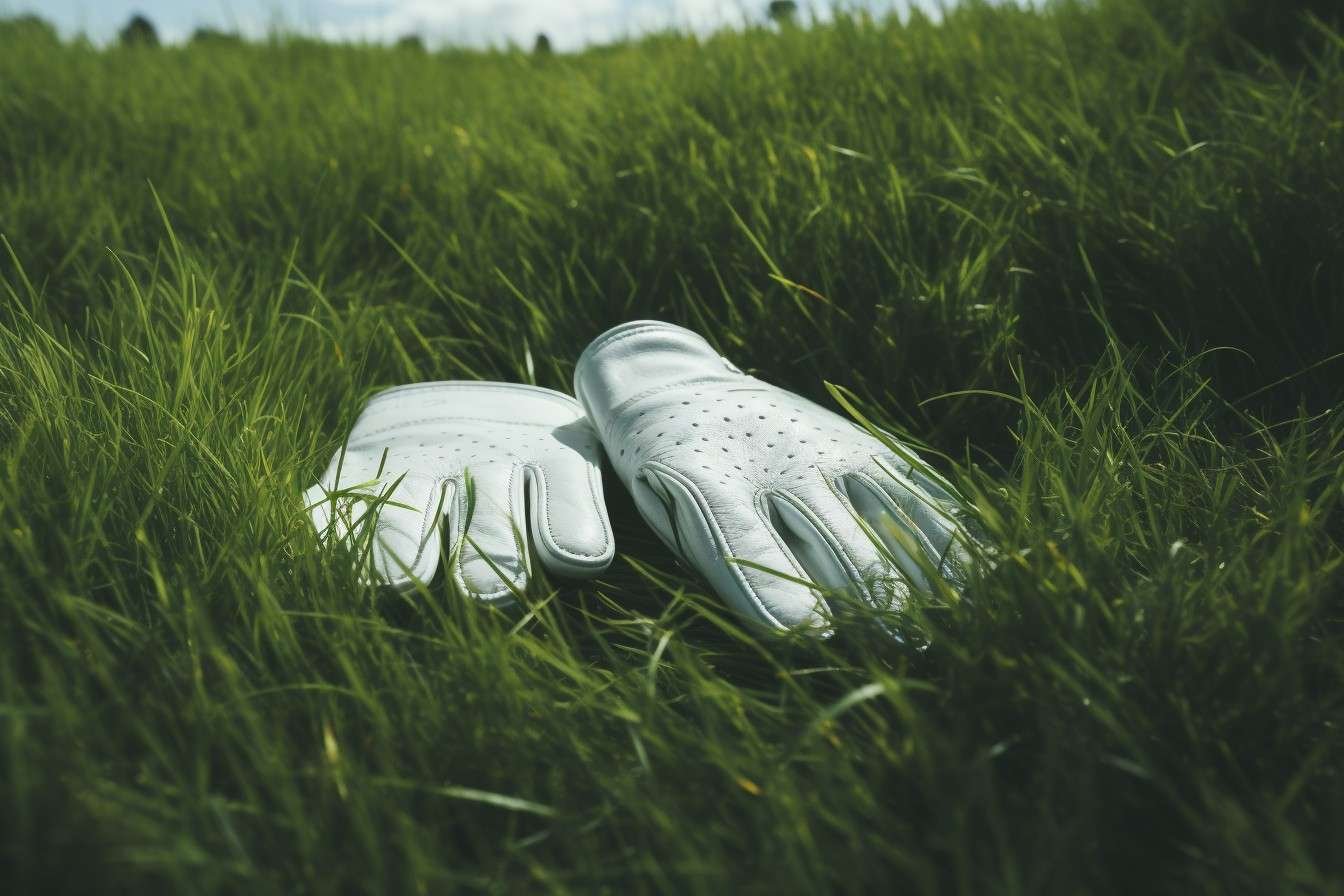
The HyperFLX is the model I would start with for hot, humid rounds. FootJoy combines leather with PowerNet mesh across the knuckles, creating greater breathability and flexibility than a fully enclosed leather design.
I like the hybrid approach because you still get a more traditional feel through the palm while the back of the hand has space to release heat. For golfers who sweat heavily but do not want a cloth-like glove, it offers a strong middle ground.
PING Tour: Best Premium Leather Option
The PING Tour shows that Cabretta leather can still work in summer conditions. PING uses premium Cabretta leather with finger vents, perforations, and a SensorCool moisture-wicking wristband.
I would choose this one when soft leather feel matters but I still want better ventilation than a traditional leather glove provides.
PING Sport Tech: Best Synthetic Option
If sweat control matters more than premium leather feel, the PING Sport Tech deserves attention. It uses an all-weather synthetic leather palm, breathable stretch-fit Coolmax fabric on the back, and SensorCool technology in the wristband.
That combination makes sense for range sessions, walking rounds, and golfers who regularly play in hot climates.
Under Armour Medal: Best Value
Golf Monthly currently lists the Under Armour Medal as its best-value sweaty-hands option. The glove uses breathable synthetic construction and a textured palm aimed at maintaining grip.
For beginners, frequent practice, or summer golfers who like rotating several gloves, I think an affordable synthetic model can make more sense than repeatedly soaking one expensive leather glove.
FootJoy RainGrip: Best for Extreme Moisture
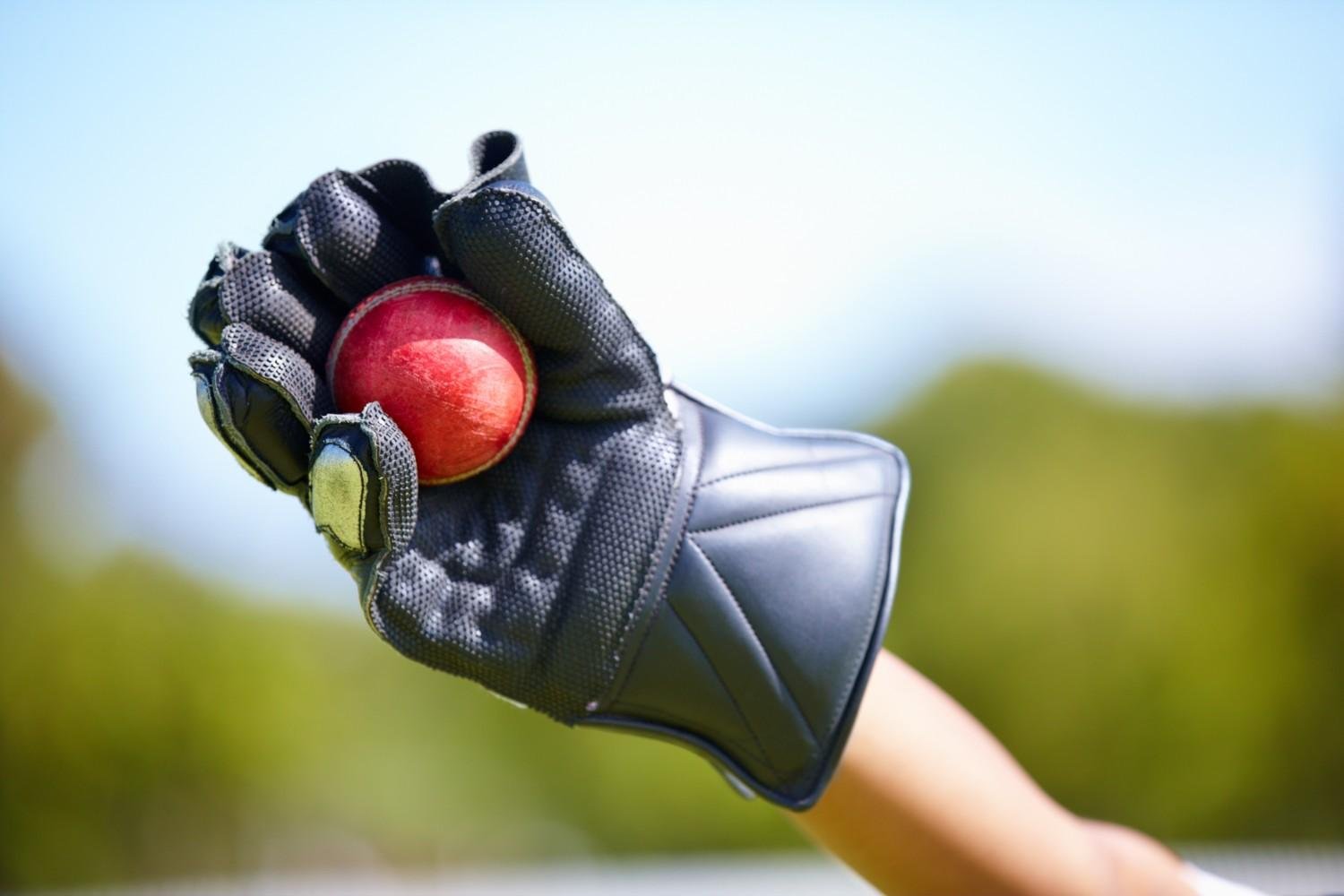
For very heavy sweating, I would seriously consider a rain glove.
Rain-performance microfiber and synthetic fabrics are designed to maintain traction once moisture becomes part of the equation rather than simply trying to prevent moisture altogether. Golf Monthly’s 2026 rain-glove testing includes the FootJoy RainGrip among its stronger wet-weather choices and highlights its quick-drying construction.
I would keep a pair in the bag as a backup for extremely humid rounds.
Which Golf Glove Material Handles Sweat Best?
Choosing the right material can matter as much as choosing the right brand.
| Material | Grip in Moisture | Breathability | Sweat Durability | Feel |
| Microfiber/rain material | Excellent | Medium | High | Soft, cloth-like |
| Synthetic mesh | Good | Excellent | High | Light and flexible |
| Hybrid leather/synthetic | Good | Good | Medium | Traditional with airflow |
| Traditional leather | Fair when saturated | Low to medium | Lower when repeatedly soaked | Premium feel |
I would not say every Cabretta leather glove is bad for sweaty palms. Ventilated models such as the PING Tour can work well.
Traditional all-leather gloves, however, can absorb significant moisture when heavily saturated and may lose their ideal feel as they dry. Synthetic mesh generally offers better airflow and faster moisture management, while microfiber rain gloves focus more heavily on maintaining traction in wet conditions. Equipment choices should always match the golfer’s needs, whether that means selecting a moisture-friendly glove or finding the best driver for slow swing speed to improve performance off the tee.
Are Synthetic or Rain Gloves Better Than Cabretta Leather?
For heavy sweaters, they often can be.
Synthetic performance mesh allows more airflow around the hand. That matters because the goal is not only to deal with sweat after it appears but also to reduce trapped heat in the first place.
Microfiber rain technology approaches the problem differently. Rather than relying entirely on keeping the hand dry, rain gloves are designed to maintain usable grip when moisture is already present.
Hybrid gloves sit between those two options. They usually retain leather where golfers want touch while replacing larger sections of the fingers or back with stretch and cooling fabrics. If you hate giving up traditional feel, I think a hybrid is the easiest transition.
How Do I Keep My Golf Glove Dry During a Hot Round?
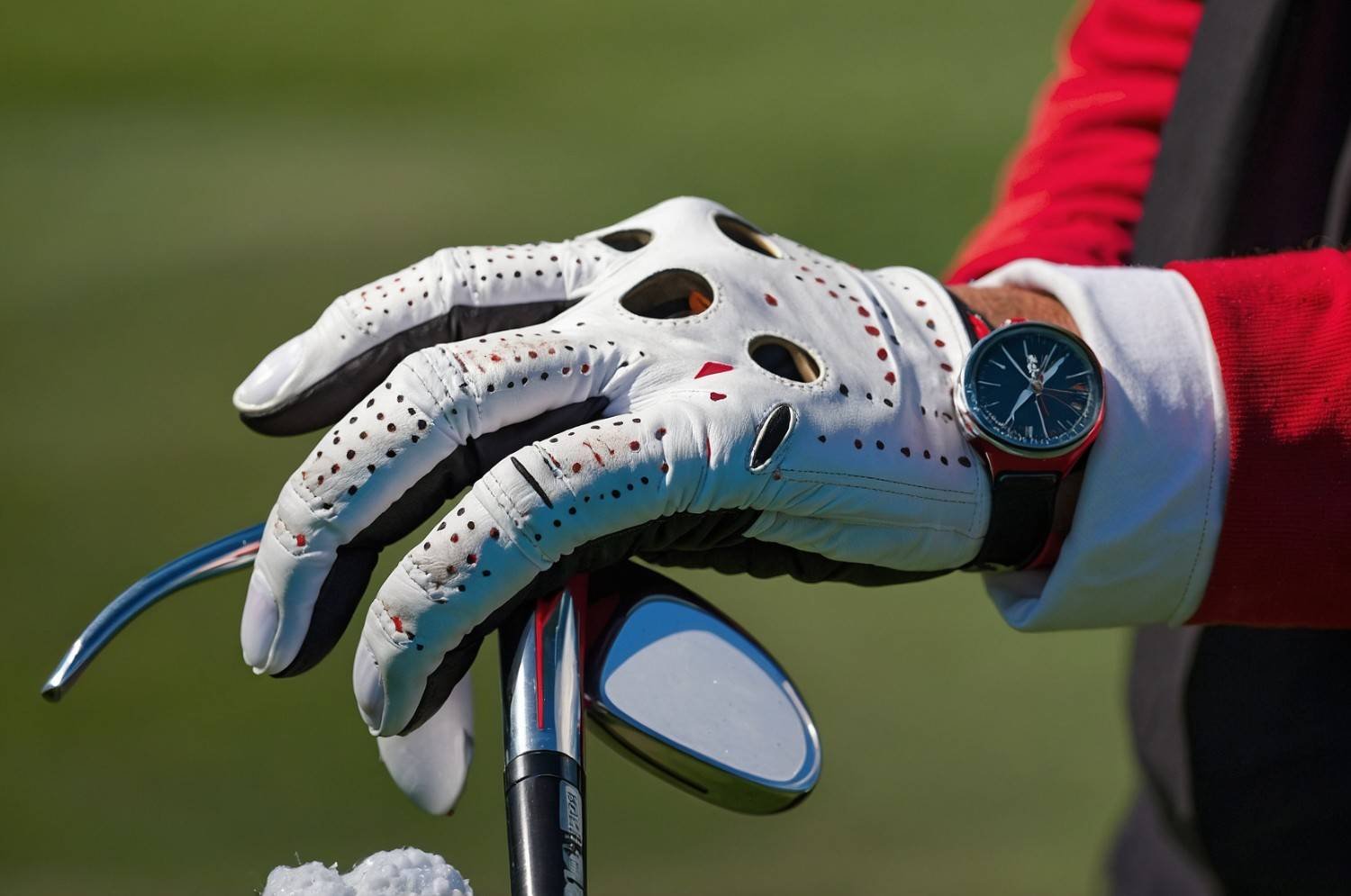
One glove may not be enough during a July afternoon round.
I prefer what I call the 4-hole rotation. I keep three similar gloves in the bag and switch roughly every four holes during very hot conditions. I clip the damp glove to the outside of my golf bag or another secure, ventilated spot so it can air-dry instead of remaining stuffed in a pocket.
I also remove my glove after every full swing when practical. I do not leave it on while putting or sitting in the cart. Those small breaks give both my hand and the glove time to breathe. Just as choosing the best golf clubs for high handicappers can make the game more forgiving, using a dry, secure glove can help maintain better control throughout the round.
The other trick is surprisingly simple: keep a dedicated dry towel solely for your hands and grips. Do not use the same towel you use for muddy clubfaces, wet golf balls, or morning dew. A clean, dry towel helps remove moisture before it reaches the glove.
FAQs About Golf Gloves for Sweaty Hands (FAQs)
1. Should I Wear a Rain Glove If My Palms Sweat Heavily?
Yes, it can be worth trying. A rain glove is built around wet traction, so it may perform better than a saturated conventional glove when perspiration becomes extreme.
2. Are Synthetic Golf Gloves Better for Hot Weather?
They can be. Synthetic golf gloves commonly prioritize breathability, durability, and moisture management, making them particularly useful for golfers playing in hot or humid conditions.
3. How Many Golf Gloves Should I Carry in Summer?
I prefer three for very hot rounds. Rotating them allows each glove to dry rather than forcing one soaked glove through all 18 holes.
4. Should a Golf Glove Fit Tightly?
It should fit snugly without excess material bunching in the palm or fingertips. Too much movement inside the glove can make maintaining a secure grip even harder when your hands are damp.
My Pick for Hot and Humid Golf
If I had to choose one best golf glove for sweaty hands, I would take the FootJoy HyperFLX because its hybrid construction balances traditional grip feel with much-needed ventilation. For golfers who sweat heavily enough to overwhelm conventional gloves, I would also keep FootJoy RainGrip gloves in the bag. Players who refuse to give up premium leather should look closely at the ventilated PING Tour.
The strongest setup, though, is not just one glove. Match the material to how heavily you sweat, rotate gloves before they become saturated, remove them between shots, and keep a dedicated dry towel nearby. It also helps to know how often should you replace a golf glove, because even the best moisture-management routine cannot restore a glove that has become stretched, slick, or worn thin. Those small changes can make summer golf feel considerably more secure.