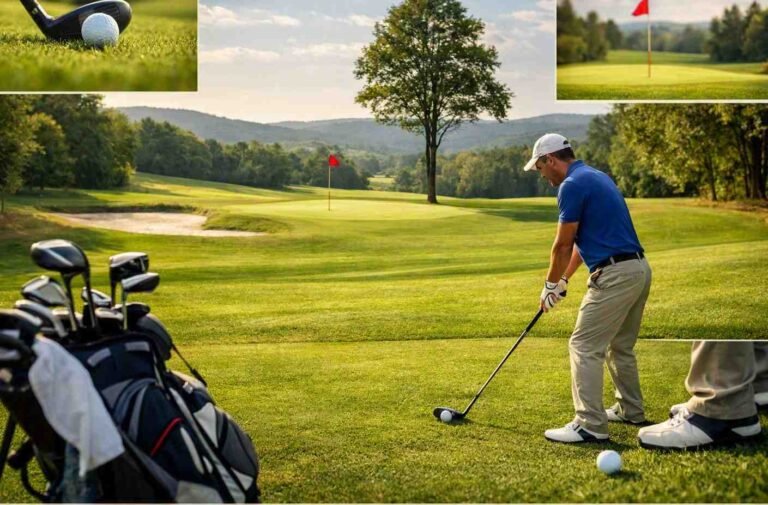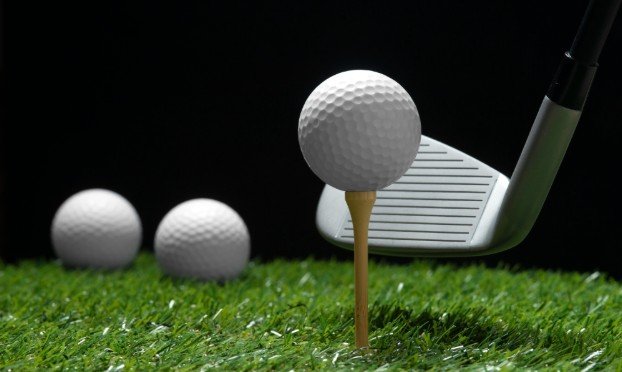

At 120 mph impact, a golf ball briefly flattens like a soft rubber eraser, remaining compressed against the titanium clubface for just 450 microseconds. High-speed camera footage reveals that this microscopic collision determines your launch angle, spin rate, and lateral dispersion before the ball even leaves the tee.
Understanding this physical reality is essential when learning how to choose golf balls that match your specific mechanics rather than relying on brand hype.
Most players buy equipment based on marketing claims or what PGA Tour pros play on television. However, playing a tour-level ball without the swing speed to compress it is like using a cinema lens locked at manual focus without calibrating the glass—you waste performance potential.
Matching golf ball mechanics to your personal physical metrics yields measurable gains in distance, trajectory control, and greenside precision.
Decoding Golf Ball Mechanics: Compression, Layers, and Dimples

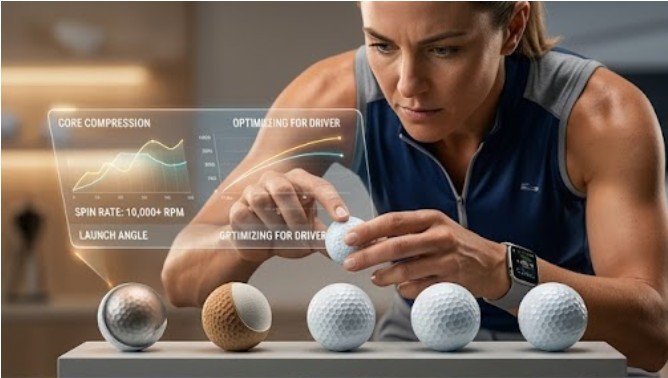
To select the right ball, you need to treat it like a piece of precision hardware. Every golf ball consists of three core structural elements that dictate flight and feel:
- Core Compression: The core acts as the ball’s engine. Lower compression ratings (30–60) deform easily under slower impact speeds, storing and releasing energy efficiently. Higher compression ratings (90+) require high-velocity impact to yield maximum rebound.
- Layering (2-Piece vs. Multi-Layer): Standard two-piece balls pair a large rubber core with a durable cover for low spin and maximum distance. Multi-layer balls (3 to 5 layers) use mantle layers to separate driver performance from short-iron control.
- Dimple Aerodynamics: Dimples create a turbulent boundary layer of air that clings to the ball’s surface, drastically reducing drag. According to research on fluid dynamics from the National Institute of Standards and Technology, altering surface texture and dimple depth changes lift and drag forces during flight.
+——————+——————-+—————–+———————–+
| Swing Speed | Driver Carry | Rec. Compression| Cover Material |
+——————+——————-+—————–+———————–+
| Under 85 mph | Under 210 yards | 30–60 (Low) | Ionomer / Surlyn |
| 85–105 mph | 210–240 yards | 60–90 (Mid) | Ionomer or Urethane |
| Over 105 mph | Over 240 yards | 90+ (High) | Cast Urethane |
+——————+——————-+—————–+———————–+
Editor’s Note: For visual site layouts, this data works exceptionally well as a grouped horizontal bar chart comparing swing speed ranges to target compression ratings.
Matching Ball Construction to Your Swing Speed
A common misconception is that firm tour balls automatically grant extra distance to every golfer. In reality, failing to compress a stiff core yields lower ball speed and harsh feedback through the shaft. Pairing the right equipment with Golf Stretches for Tight Hips can also help improve hip mobility, allowing golfers to move more comfortably and efficiently throughout the swing.
┌───────────────────────────────┐
│ What is Your Driver Speed? │
└───────────────┬───────────────┘
│
┌─────────────────────────┼─────────────────────────┐
▼ ▼ ▼
┌───────────────┐ ┌───────────────┐ ┌───────────────┐
│ Under 85 mph │ │ 85-105 mph │ │ Over 105 mph │
└───────┬───────┘ └───────┬───────┘ └───────┬───────┘
│ │ │
▼ ▼ ▼
┌─────────────────────┐ ┌─────────────────────┐ ┌─────────────────────┐
│ Soft 2-Piece Core │ │ Mid-Compression │ │ High-Compression │
│ Ionomer Cover │ │ 3-Piece Urethane │ │ Tour Urethane │
└─────────────────────┘ └─────────────────────┘ └─────────────────────┘
Slow Swing Speeds (Under 85 mph)
If your driver carry distance sits under 210 yards, low-compression balls (30 to 60 rating) are ideal. Soft cores allow moderate swing speeds to compress the rubber fully, generating maximum energy transfer without excess side-spin that causes slices.
Moderate Swing Speeds (85 to 105 mph)
Golfers carrying the ball 210 to 240 yards benefit from mid-compression designs (60 to 90 rating). These balls offer a balanced compromise: sufficient driver distance off the tee alongside firm touch around the greens.
Fast Swing Speeds (Over 105 mph)
Players hitting driver carries past 240 yards require high-compression cores (90+ rating). High swing speeds overwhelm soft balls, causing energy loss through over-deformation. A firm core converts forceful impact directly into pure velocity.
The Material Breakdown: Urethane vs. Ionomer Covers
Cover material dictates short-game spin rate and overall durability. The choice largely comes down to two polymers. After playing, pairing equipment knowledge with Golf Cool Down Stretches After Playing can help golfers relax tight muscles, restore mobility, and support recovery before the next round.
- Urethane Covers: Found on premium multi-layer balls, cast urethane is a soft thermoset material. When a wedge groove strikes urethane, the cover grips the clubface momentarily, producing high backspin rates required for stopping power on greens.
- Ionomer / Surlyn Covers: Ionomer is a firm, highly durable plastic resin. It resists scuffs and shears, reducing backspin and side-spin. While this keeps tee shots flying straighter, it reduces stopping control on short chip shots.
Equipment standards published by the United States Golf Association evaluate ball symmetry and initial velocity, confirming that cover elasticity directly influences launch profiles across wedge and driver impacts.
A 3-Step Field Test for Finding Your Ideal Match
Instead of testing balls starting off the driver tee, work backward from the green using this structured field testing process:

- The Putting Green Touch Test: Roll several options from 15 feet out. Listen to the audible click and feel the feedback off the putter face. Soft ionomer feels muted, while firmer cores deliver distinct tactile feedback.
- The 50-Yard Wedge Spin Test: Hit pitch shots from 50 yards using a clean wedge. Watch how quickly the ball checks up on the green. Urethane balls will hop and stop within a few feet, whereas ionomer balls roll out significantly further.
- The Driver Launch & Dispersion Check: Hit driver shots on a launch monitor or open range. Look for a stable ball flight without excessive ballooning into wind or severe lateral movement.
For sports biomechanics research on human movement consistency, check data hosted by University of Illinois Extension. Environmental impacts on turf and playability are detailed by Audubon International. For broader academic studies on material science and energy retention in sports gear, explore research from MIT.
When the Tech Specs Fail: Common Misconceptions
Additionally, don’t fall for the trap of switching ball models mid-round. Switching between different compression ratings and cover materials ruins distance control, making consistent distance calibration impossible.
Frequently Asked Questions
How do I know which golf ball is right for me?
Match ball compression to your driver swing speed, then select cover material based on short-game preference. Test options on a launch monitor or short-game green to compare spin rates and feel.
What is the 70/30 rule in golf?
The 70/30 rule states that roughly 70% of your shots occur within 100 yards of the green, while only 30% are full distance swings. Prioritize short-game spin performance over raw tee distance.
Are Kirkland balls as good as Pro V1?
Kirkland three-piece urethane balls offer impressive spin and performance for their price point. However, premium tour balls like the Titleist Pro V1 provide tighter manufacturing tolerances, superior cover durability, and more consistent aerodynamic flight.
What is the best golf ball for an average golfer?
The best option for an average golfer (15–25 handicap) is a mid-compression, two-piece or three-piece ball with an ionomer or hybrid cover, balancing straight distance off the driver with affordable pricing.
Selecting the right golf ball isn’t about buying the most expensive sleeve on the shelf—it’s an engineering decision based on your personal swing mechanics. By matching core compression to your swing speed and choosing a cover material that aligns with your short-game priorities, you eliminate gear variance from your game.
Pick one ball model that fits your profile, stick with it consistently across rounds, and let your muscle memory adapt to predictable flight dynamics.