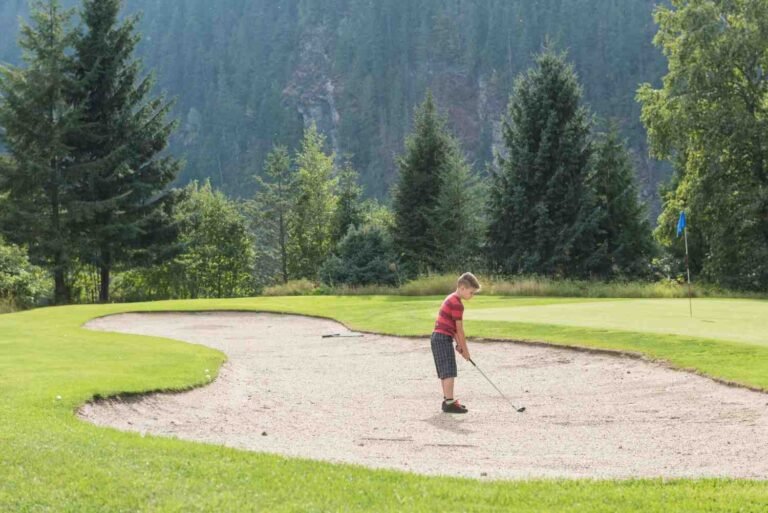

I still remember how unfamiliar a golf course felt during my first visit. I understood how to swing a club, but I was unsure where to check in, when to approach the first tee, and whether everyone would notice my mistakes.
If you are wondering what to expect on your first golf course, the reassuring answer is a friendly, structured experience where good manners matter more than a low score. With a little preparation, you can arrive confidently, keep up with your group, and enjoy your first real round.
Choose a Beginner-Friendly Course
Your first experience does not need to involve a demanding championship course. A nine-hole, par-3, executive, municipal, or public course is usually a more comfortable starting point. These facilities often offer shorter holes, affordable green fees, relaxed surroundings, and rental equipment.
Check the course website before booking. Look at its dress code, rental options, tee-time rules, course length, and whether golf carts are available. You can also call the pro shop and explain that you are a beginner. Staff members can recommend a quieter tee time and suitable tee markers.
Book nine holes if you are uncertain about your stamina or pace. It provides the complete experience without requiring the four or more hours commonly needed for 18 holes.
What to Wear and Bring
Golf clothing should allow you to move comfortably while meeting the facility’s dress requirements. Many courses accept a collared shirt or neat sports top with golf trousers, shorts, or a suitable skirt. Denim, gym wear, and collarless shirts may be prohibited at more traditional clubs.
Beginners do not need an advanced or expensive set to enjoy their first round. Choosing forgiving equipment designed to make mishits easier to manage can help build confidence, which is why comparing the best golf clubs for high handicappers can be useful before buying or upgrading a set.
Golf shoes are helpful but not always essential. Supportive athletic shoes with good grip may be accepted, although you should confirm this beforehand.
Pack the following essentials:
- Golf clubs or confirmation of a rental set
- Golf balls, tees, and a ball marker
- A glove and divot-repair tool
- Water and a light snack
- Sunscreen, sunglasses, and a hat
- A waterproof jacket or extra layer
- A small towel
Beginners often lose several balls, so bring inexpensive ones rather than premium models. You also do not need all 14 permitted clubs. A driver or hybrid, several irons, a wedge, and a putter can be enough.
Arrive Before Your Tee Time
Plan to arrive 30–45 minutes early. Your tee time is when you are expected to begin playing, not when you should enter the parking area.
Arriving with extra time also gives you room to follow a simple golf warm-up routine before a morning round instead of rushing straight from the parking lot to the first tee. A few minutes of mobility and easy swings can help your body feel more prepared without turning the warm-up into a full practice session.
Some facilities have a bag-drop area near the entrance. Otherwise, leave your bag in the designated location or carry it toward the pro shop. Before checking in, take a moment to organize a golf bag so your clubs, balls, tees, glove, and other essentials are easy to reach. Do not take a full golf bag inside unless staff members direct you to do so.
Check in at the pro shop using your name and tee time. This is where you pay outstanding fees, collect a scorecard, arrange rental clubs, and receive information about local rules. Staff may direct you to a starter, who organizes groups at the first tee.
Do not be surprised if a course combines your booking with another player or pair. Grouping golfers into foursomes is normal, especially during busy periods.
Warm Up Without Exhausting Yourself

Use your remaining time to stretch and hit a small number of practice shots. Begin with short clubs, progress toward longer clubs, and finish by practising several putts.
The goal is to loosen your muscles and learn the speed of the greens—not rebuild your swing immediately before playing. Hitting too many balls can make you tired before the round begins.
Reach the first tee approximately ten minutes early. Introduce yourself to your playing partners and tell them you are new. Most golfers will be supportive when they know you are learning.
What Happens During Each Hole?
Every hole follows the same basic journey. You begin inside the marked teeing area and hit toward the fairway or green. After everyone has played, the group walks or drives toward the balls. The player farthest from the hole traditionally plays next, although casual groups commonly use ready golf, meaning a prepared player may hit first when it is safe.
Once your ball reaches the putting green, mark and lift it if it could interfere with another player. Treat putting greens carefully by avoiding another golfer’s putting line—the path between their ball and the hole. After everyone finishes, replace the flagstick carefully and move promptly toward the next tee.
Play from forward tees that match your present ability. Tee selection is about creating a manageable course length, not proving how far you can hit.
Follow the Etiquette That Matters Most
Understanding what to expect on your first golf course also means learning a few unwritten customs. Stay quiet and still while another golfer prepares to swing. Stand safely to the side rather than ahead of the player, and never hit while people are within range.
If you want a clearer overview before your round, these golf course etiquette for new golfers rules can help you understand the basic expectations around safety, pace of play, course care, and courtesy.
Shout “Fore!” immediately if your shot travels toward another person. Make the warning loud and clear instead of waiting to see where the ball lands.
Care for the playing surface by replacing or filling divots, repairing pitch marks on greens, and raking bunkers after use. Follow signs explaining cart restrictions. “Cart path only” means the cart must remain on the designated path. A “90-degree rule” generally allows you to leave the path at a right angle to reach your ball before returning.
Keep Pace Without Feeling Rushed

Beginners are allowed to hit poor shots. What matters is remaining prepared and moving efficiently. Select a club while another person plays, limit yourself to one or two practice swings, and keep pace with the group ahead.
If a ball may be lost, play a provisional ball after announcing your intention. The official search allowance is three minutes. In a friendly round, you can also drop another ball and continue if your group agrees. Your handicap allowance, if applicable, affects your scoring rather than the time permitted to search for a lost ball.
Consider picking up after reaching double par—six strokes on a par 3, eight on a par 4, or ten on a par 5. You can place your ball near a companion’s and resume from there. Your first round is about learning the course, not producing an official score.
Finish the Round Courteously
After the final putt, shake hands or thank your playing partners. Confirm scores away from the green so the following group can finish. Return rental equipment and carts to their designated areas, remove personal belongings, and dispose of rubbish responsibly.
You may visit the clubhouse afterward, but purchasing food or drinks is optional. If caddies, bag attendants, or cart staff assisted you, check the local tipping custom because expectations vary by facility and region.
Frequently Asked Questions
1. What should I expect on my first golf course visit?
If you are researching what to expect on your first golf course, expect to check in, warm up, meet a starter, possibly join other golfers, and play each hole at a steady pace. Staff and playing partners will generally help if you explain that it is your first visit.
2. Do I need a handicap before playing?
No. Most public and beginner-friendly courses do not require a handicap for an ordinary recreational round.
3. How long will my first round take?
Nine holes commonly take around two hours, while 18 holes may require four hours or longer. Course traffic, group size, weather, and walking speed can affect the duration.
4. Must I keep an official score?
No. You can count strokes for practice, use a relaxed maximum score, or play without recording a total during your first casual round.
5. Can I rent clubs at the course?
Many courses rent clubs, but availability is not guaranteed. Reserve a set when booking and confirm whether the rental includes balls, tees, or a bag.
Final Thoughts
My first course visit became much easier once I stopped worrying about playing perfectly. I concentrated on staying safe, respecting other golfers, and keeping the game moving. That is the best approach for any beginner.
Arrive early, tell people you are learning, and allow yourself to enjoy the scenery and social experience. You may mishit balls and forget small customs, but those moments are part of learning. Finish the day with one useful lesson and a desire to return, and your first round has already been successful.