
Most people think of fitness in straight lines. We walk forward, run forward, push weight away from our bodies, and pull it back. Traditional gym routines often follow the same pattern. Yet daily life rarely works that way. Whether you’re reaching into the back seat of a car, carrying groceries up a driveway, or turning quickly to catch yourself from a stumble, your body relies on rotation.
That is where rotational movement training becomes valuable. While athletes have long used rotational exercises to improve performance, this style of movement training offers benefits that reach far beyond sports. It supports better mobility, balance, coordination, and overall movement quality, helping people move more efficiently throughout the day.
What Is Rotational Movement Training?
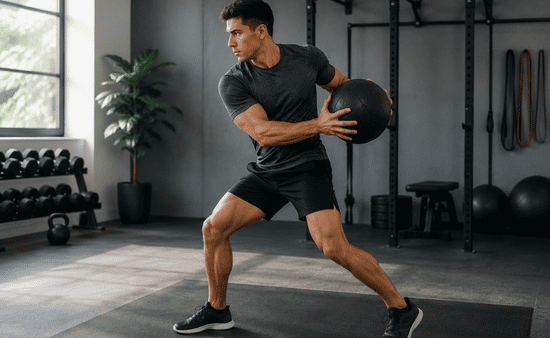
Rotational movement training focuses on exercises that require your body to twist, resist twisting, or transfer force through the transverse plane. Instead of moving only forward and backward, it trains the body to handle movement in multiple directions.
These exercises challenge the hips, core, shoulders, and spine to work together as a connected system. The goal is not simply building muscle but improving how the body generates, transfers, and controls force.
Rotational strength plays a significant role in functional fitness because many real-world activities depend on coordinated movement patterns rather than isolated muscle actions. From lifting awkward objects to changing direction while walking, rotation is part of how humans naturally move.
Why Traditional Workouts Often Miss an Important Piece
Many popular exercises focus on sagittal plane movement. Squats, lunges, deadlifts, and presses are excellent for building strength, but they do not fully prepare the body for the demands of everyday movement.
Life happens in three dimensions. We twist, pivot, reach, turn, and react unexpectedly. Without training those movement patterns, people may develop strength without developing movement efficiency.
This becomes especially noticeable as people spend more time sitting. Long hours at a desk can reduce spinal mobility, limit hip rotation, and create stiffness that affects daily activities. Rotational movement training helps restore the movement capacity that modern lifestyles often reduce.
How Rotational Movement Training Improves Everyday Life
Better Protection Against Injuries
Many common injuries occur when people move unexpectedly. A sudden twist while carrying a heavy box or an awkward reach can place stress on tissues that are not prepared for the load.
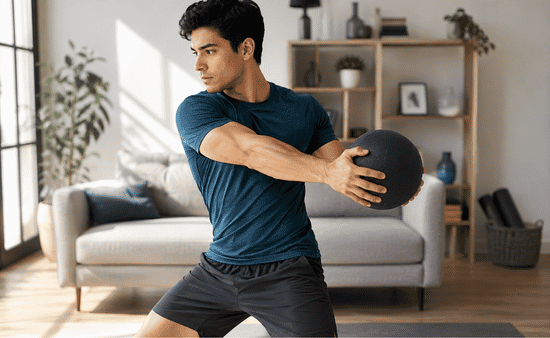
Rotational exercises strengthen the obliques, deep core muscles, and spinal stabilizers. These muscles help the body absorb and control force during unpredictable situations. As a result, the torso becomes more resilient and better equipped to handle off-balance movements.
Improved Balance and Coordination
Balance is about much more than standing on one leg. Everyday stability depends on the body’s ability to react quickly to changing conditions.
Walking on uneven ground, stepping off a curb, or recovering from a slip all require coordination between multiple muscle groups. Training in the transverse plane enhances proprioception, the body’s awareness of where it is in space, helping improve reaction time and movement control.
More Efficient Movement
The human body is designed to move as a connected kinetic chain. When the shoulders, hips, and core work together, movement becomes smoother and more efficient.
Even basic activities like walking benefit from proper torso rotation. Natural counter-rotation between the shoulders and hips helps conserve energy with every step. When this movement pattern is restricted, the body often compensates by working harder than necessary.
The Role of Rotation in Everyday Tasks
People often underestimate how much rotation they use throughout the day. Many routine activities depend on healthy movement mechanics.
Putting a child into a car seat requires controlled twisting while managing an uneven load. Carrying heavy grocery bags demands anti-rotation strength to keep the spine stable while walking. Reaching for a seatbelt relies on flexibility through the shoulders and upper back.
Household chores tell a similar story. Shoveling dirt, gardening, moving furniture, and loading storage bins all involve rotating, pivoting, and transferring force through the body.
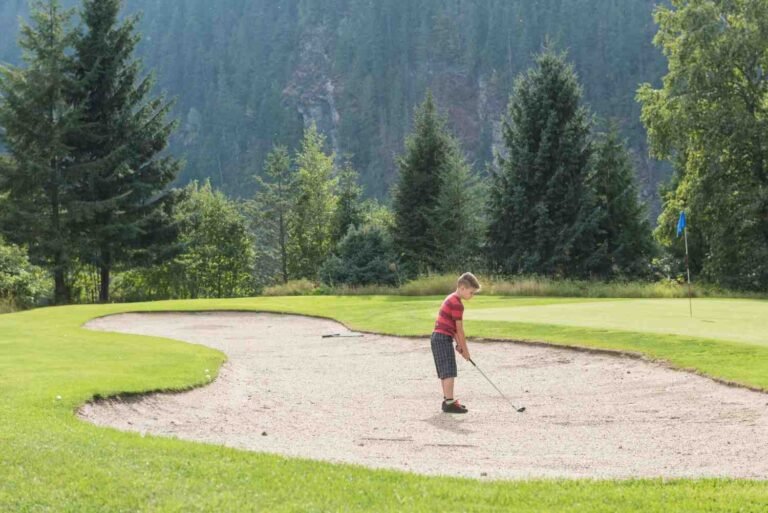
Recreational activities also depend heavily on rotational power. Sports such as golf, tennis, swimming, baseball, and pickleball all require efficient force transfer from the ground through the hips and core.
In fact, many people who prioritize healthy golf lifestyle habits often discover that rotational training improves both performance and comfort during long rounds by helping the body move more naturally through the swing.
Mobility, Stability, and the Lower Back Connection
One of the most important aspects of rotational movement training is understanding the relationship between mobility and stability.
Different parts of the body are designed for different jobs.
The Thoracic Spine Needs Mobility
The upper and middle back are built to rotate. Adequate thoracic mobility allows the shoulders and rib cage to move freely without placing excessive stress on surrounding joints.
When this area becomes stiff, other parts of the body often compensate.
The Lumbar Spine Needs Stability
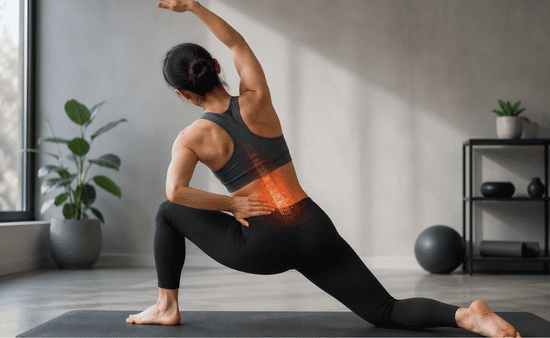
The lower back is designed primarily for stability rather than large amounts of rotation. It naturally rotates only a small amount.
When people lack mobility elsewhere, they often force the lumbar spine to do work it was not designed to handle. Over time, this can contribute to discomfort and chronic lower back issues.
The Hips Drive Powerful Rotation
Healthy hip mobility allows force to travel efficiently through the body. The hips act as major drivers of rotational power while helping protect the lower back from excessive twisting.
This balance between mobility and stability is one reason rotational movement training can support both performance and injury prevention.
Frequently Asked Questions: The Benefits of Rotational Movement Training Beyond the Gym
What is rotational movement training?
Rotational movement training involves exercises that teach the body to twist, resist twisting, or transfer force through rotational patterns. It improves mobility, core stability, balance, and functional movement.
Is rotational movement training only for athletes?
No. While athletes benefit from rotational power, everyday activities such as carrying groceries, reaching overhead, and maintaining balance also rely on rotational movement patterns.
Can rotational exercises help reduce lower back discomfort?
They can help when performed correctly. Improving mobility in the hips and thoracic spine may reduce unnecessary stress on the lower back while strengthening stabilizing muscles around the core.
How often should I include rotational exercises in my workouts?
Most people can benefit from incorporating rotational exercises two to three times per week as part of a balanced mobility training and strength program.
Why Better Movement Shows Up Everywhere
The value of rotational movement training is not limited to athletic performance or gym results. It influences how comfortably you move through daily life, how efficiently your body handles physical demands, and how well you maintain mobility as you age.
Small improvements in rotation often create noticeable improvements in balance, coordination, posture, and overall movement efficiency because the body functions as an interconnected system.
The better your body rotates, stabilizes, and transfers force, the easier everyday movement tends to feel. That benefit follows you long after the workout ends.