
A public golf course can look simple from the parking lot, but the real game starts before you ever swing a club. You have to know when to arrive, where to check in, what to wear, how fast to play, and how to avoid holding up everyone behind you.
That is why understanding what to know before playing a public golf course matters so much for beginners. Public golf in the US is welcoming, but it also runs on shared space, tee time schedules, and basic respect. Once you know the flow, the first round feels less intimidating and much more enjoyable.
What Makes a Public Golf Course Different?
A public golf course is open to anyone who books and pays to play. Unlike a private club, you usually do not need a membership or invitation. You pay a green fee, check in at the pro shop, and start at your assigned tee time. Public courses may be municipal, daily-fee, resort, executive, par-3, or full 18-hole layouts.
For a first time playing golf course experience, I would choose a nine-hole, par-3, or executive course. Shorter courses cost less, move faster, and feel less intimidating. Before booking, check green fees, cart fees, rental clubs, walking rules, cancellation policies, and the public golf course dress code.
How Do You Book a Tee Time and Arrive Prepared?

Learning how to book a golf tee time makes the day smoother. Most public courses accept online reservations, app bookings, or phone calls to the pro shop. Beginners should avoid peak Saturday morning tee times because those groups often play faster. A weekday afternoon, late morning, or twilight tee time usually feels more relaxed.
Arrive at least 30 minutes early because your tee time is when you should be ready to hit. Use that time to park, pay, grab a cart, buy balls or tees, stretch, and find the first tee. If you book as a single or twosome, expect to be paired with strangers because public courses often build foursomes to keep tee sheets organized.
What Should You Wear and Bring?
If you are unsure what to wear to a public golf course, choose clean, golf-appropriate clothing. A collared polo with golf shorts, khaki pants, athletic golf pants, a skort, or a performance top works at most public courses. Clean running sneakers are usually fine for beginners.
Avoid denim, cut-off shirts, flip-flops, heavy boots, and metal spikes because they may break rules or damage turf. Cargo shorts may be allowed at casual municipal courses, but I would check first. In warm states, bring sunscreen, a hat, and breathable clothing. In cooler areas, carry a light pullover.
If you are wondering what to bring to a golf course, start with clubs, balls, tees, a glove, water, sunscreen, a towel, and a divot repair tool. Bring extra balls because beginners lose them often. Golf rules allow a maximum of 14 clubs, but beginners do not need all 14. If you do not own clubs, call ahead and confirm rental availability.
What Public Golf Course Rules Should Beginners Know?
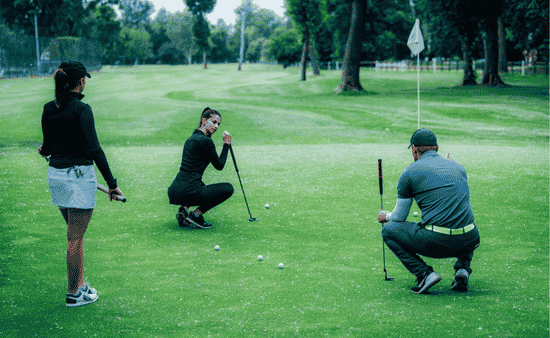
The most important public golf course rules for beginners involve safety, pace, and respect. Never hit until the group ahead is safely out of range. If your ball may hit someone, yell “Fore!” loudly right away. Stay quiet and still while others swing, and avoid standing directly behind a player or on their target line.
Choose forward or middle tees if you are new. Avoid the back or championship tees unless you are a low-handicap player who can handle the distance without slowing down the course. This is also why choosing a golf course for beginners should include looking for layouts with shorter holes, beginner-friendly tees, and a relaxed pace.
How Do You Keep Up With Pace of Play?
Pace of play matters more than a perfect score on a busy public course. The best golf pace of play tips are simple: stay ready, limit practice swings, and keep moving. Ready golf etiquette means you hit when you are safely ready instead of always waiting for the farthest player.
Limit lost ball searches to three minutes. If the ball is gone, take a penalty drop and continue. For casual beginner rounds, I like the double par rule. Once you reach eight strokes on a par 4 or ten strokes on a par 5, pick up and move to the next hole. If a faster group keeps waiting behind you and there is an open hole ahead, wave them through.
What Golf Course Etiquette Should Beginners Follow?
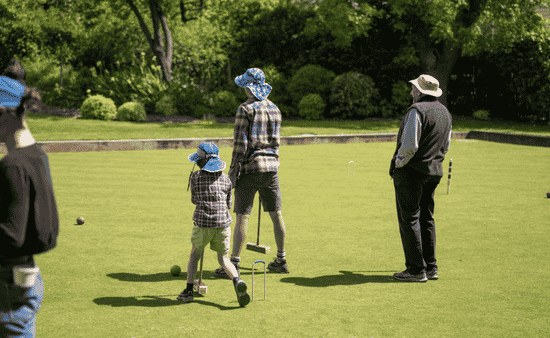
Golf course etiquette for beginners is mostly about awareness. Keep your phone on silent, avoid loud conversations near swings, and keep cart music low enough that nearby holes cannot hear it. If you get paired with strangers, introduce yourself and keep the round friendly.
On the green, do not walk across another player’s putting line, which is the path between their ball and the hole. After everyone finishes a hole, move to the next tee before writing scores. These small habits help you look respectful even when your swing is still developing.
How Do You Care for the Course?
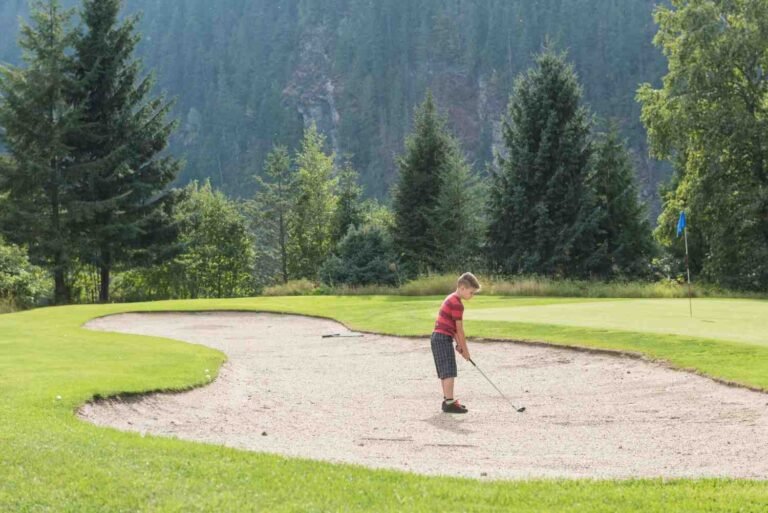
Public courses get heavy traffic, so every player should protect the grounds. Replace divots or fill them with the sand and seed mix on the cart. Repair ball marks on the green. Rake bunkers after sand shots.
Keep carts away from greens, the teeing ground, wet areas, and roped-off sections. Leaving the course in good shape is one of the easiest beginner golf course tips to follow.
Frequently Asked Questions (FAQs)
1. Can beginners play on a public golf course?
Yes, beginners can play on most public golf courses, especially municipal, par-3, executive, and beginner-friendly daily-fee courses.
2. What is the biggest mistake beginners make on public golf courses?
The biggest mistake is slow play, especially taking too many practice swings, searching too long for lost balls, or refusing to pick up after a difficult hole.
3. Will I be paired with strangers at a public golf course?
Yes, singles and twosomes are often paired with other players because public courses use foursomes to manage tee times efficiently.
4. Do I need golf shoes for a public golf course?
No, clean athletic shoes usually work for beginners, but avoid metal spikes, boots, or anything that can damage grass.
Final Thoughts
The real answer to what to know before playing a public golf course is simple. Show up early, dress properly, bring the basics, choose the right tees, play ready golf, respect the course, and keep the round moving. You do not need a perfect swing to enjoy public golf in the US. You only need awareness, patience, and a willingness to learn.