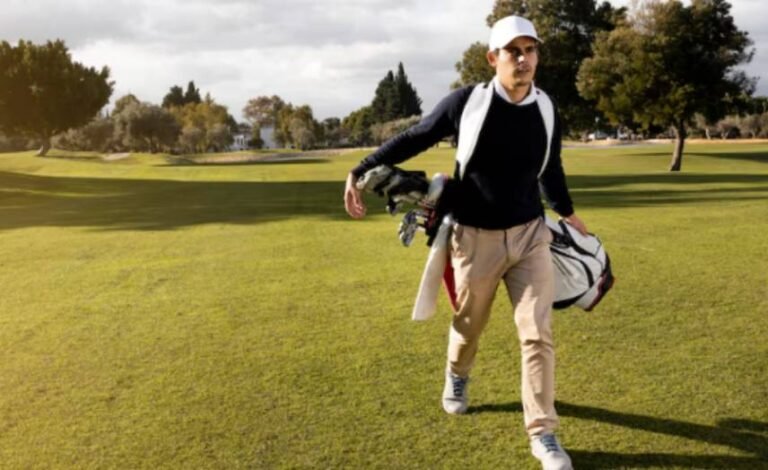

I used to think golf-course safety was mostly common sense: stay out of the way, watch for flying balls, and avoid swinging near another player. However, a busy course introduces risks that are easy to overlook. A distracted practice swing, an impatient shot, sudden thunder, or one careless cart turn can cause a serious injury.
Knowing the golf course safety rules every player should know allows me to protect myself, my playing partners, course employees, and people in nearby groups. These practical rules apply whether someone is playing a first round or has spent years on the course.
Check Your Surroundings Before Every Swing
As you prepare for a round of golf, develop the habit of checking beside you, behind you, and along the intended shot direction before making a full or practice swing. Other players should remain well outside the club’s complete swing path.
The danger is not limited to the clubhead. A swing can throw stones, broken tees, sand, or pieces of turf toward someone standing nearby. Never take a practice swing toward another person, even when there is plenty of space between you.
At a practice range, remain behind the established hitting line until it is your turn. Never step forward to retrieve a ball while other golfers are hitting.
Wait Until the Area Ahead Is Completely Clear
Never hit merely because the group ahead has moved beyond your average distance. Wait until everyone is beyond the farthest distance you could realistically hit the ball.
Extra caution is necessary on blind holes, elevated tees, doglegs, and fairways with hills. If you cannot see the landing area, check the course guidance, use a bell or signal when provided, and wait long enough for the previous group to leave.
Hitting another group is not an acceptable way to protest slow play. Contact a course marshal when delays become unreasonable.
Shout “Fore!” Without Hesitation

If a shot travels toward another person, immediately shout “Fore!” as loudly as possible. Do not wait to see where the ball lands. Adding a direction, such as “Fore right!” or “Fore left!” can help people react faster.
When you hear the warning, do not turn toward the voice and search for the ball. Cover your head and face with your arms, crouch if necessary, and move behind solid protection when it is immediately available.
Stand Safely While Another Golfer Plays
Remain behind the golfer or safely to the side, where you are visible and outside the backswing. Never stand directly in front of the player or close to the intended ball flight.
Pay attention even when you are not hitting. Avoid looking at your phone or walking ahead while another player prepares to swing. If you must cross a nearby fairway, confirm that no one is preparing to play.
Follow Essential Golf Cart Safety Rules
Only an authorized and capable person should operate a golf cart. The driver should observe posted speed limits, follow designated paths, and avoid sharp turns or sudden stops.
All passengers must remain seated with their arms, hands, legs, and feet inside the cart. Never allow more occupants than the available seats. Do not drive while distracted or impaired.
Slow down on slopes, bridges, wet ground, and loose surfaces. Travel straight up or down hills when course signs permit it, rather than driving across a steep slope. Obey cart-path-only restrictions and keep carts away from greens, bunkers, tees, and other protected areas.
Leave the Course When Thunder Threatens
Do not wait for heavy rain or visible lightning. If you hear thunder, stop playing and move immediately to a substantial enclosed building or an enclosed hard-topped vehicle.
A golf cart, isolated tree, open shelter, or covered pavilion does not provide reliable lightning protection. Stay away from water, fences, exposed hilltops, golf clubs, and other conductive objects.
Follow the course evacuation signal and do not return simply because the rain has stopped. Wait at least 30 minutes after the final sound of thunder before resuming outdoor activity.
Prevent Heat and Sun-Related Illness
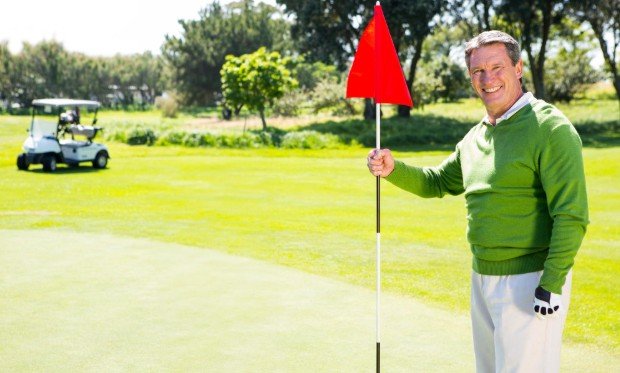
Bring enough water for the entire round and drink regularly instead of waiting until you feel thirsty. Wear breathable clothing, use sunscreen, and take shade breaks during hot conditions.
Headache, unusual fatigue, dizziness, nausea, muscle cramps, or excessive sweating can indicate heat-related illness. Stop playing and move to a cooler location when symptoms appear.
Confusion, fainting, seizures, or hot skin may signal a life-threatening emergency. Contact emergency services immediately and begin cooling the person while help is coming.
Treat Water and Difficult Ground Carefully
A golf ball is never worth a fall or drowning risk. Do not climb down a steep bank or enter deep, muddy, or fast-moving water to retrieve one. Use a ball-retrieval tool only when you can maintain stable footing.
Be equally careful around wet bridges, bunker steps, exposed tree roots, loose gravel, and damaged paths. When a lie would require an unsafe stance or swing near rocks, roots, fencing, or another obstruction, take the appropriate relief rather than risking an injury.
Give Maintenance Workers the Right of Way
A removed flagstick may indicate that work is taking place on or near the green. Wait for the worker to finish, replace the flagstick, or signal that it is safe to proceed.
Follow temporary ropes, closed-area signs, and instructions from marshals. These controls may indicate machinery, chemicals, storm damage, unstable ground, or another danger that is not immediately visible.
Respect Wildlife and Local Course Warnings

Never approach, feed, corner, or attempt to move wildlife. Give snakes, nesting birds, large animals, and aggressive insects plenty of room. Abandon the ball and notify course staff when an animal creates a hazard.
Read the scorecard, noticeboard, cart display, and posted signs before starting. Local warnings can address hazards unique to that property, including roads, wildlife, restricted areas, evacuation procedures, and emergency contact details.
Know How to Respond to an Emergency
Carry a charged phone and note the clubhouse number before beginning the round. If an accident occurs, stop play, warn nearby golfers, and provide the exact hole number and location when requesting assistance.
Do not move someone with a possible head, neck, or spinal injury unless leaving them in place creates a greater immediate danger. Apply firm pressure to serious bleeding and follow instructions from emergency personnel.
Frequently Asked Questions
1. What are the golf course safety rules every player should know?
The most important rules are checking the area before swinging, waiting until people ahead are out of range, shouting “Fore!” immediately, standing safely, operating carts responsibly, obeying course warnings, and leaving when thunder threatens.
2. Is a golf cart safe during a thunderstorm?
No. An open golf cart is not a safe lightning shelter. Move to a substantial enclosed building or an enclosed hard-topped vehicle.
3. How far away should the group ahead be before I hit?
Everyone should be beyond the farthest distance you could reasonably hit—not merely beyond your usual distance.
4. What should I do after hearing “Fore!”?
Protect your head and face immediately. Do not turn toward the warning to look for the incoming ball.
Final Thoughts
I enjoy a round much more when everyone stays alert and makes safety part of every shot. Most accidents are preventable when golfers communicate, wait patiently, respect warnings, and react quickly to changing conditions.
Following the golf course safety rules every player should know does not slow down the game. It creates a calmer, safer experience and ensures everyone has the opportunity to leave the course in the same condition in which they arrived.