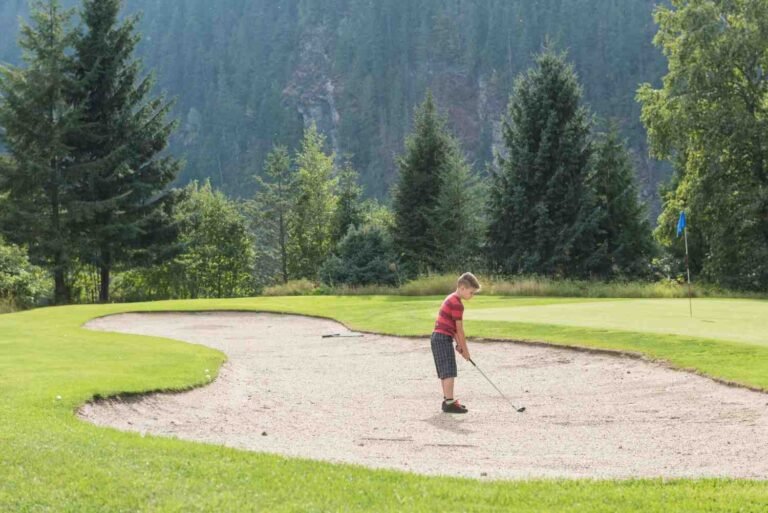

I once believed I played at a perfectly reasonable speed. Then I noticed that I was regularly beginning my preparation only after everyone else had finished. I would check the distance, study the wind, choose a club and take practice swings while the group waited. None of those actions seemed particularly slow on their own, but together they added unnecessary minutes to my round.
Learning how to avoid slow play in golf is not about sprinting between shots or swinging before you feel comfortable. It is about using otherwise wasted time, making simple decisions and remaining aware of your position on the course. These practical habits can help any golfer play efficiently without sacrificing enjoyment or concentration.
Play Ready Golf Whenever It Is Safe
Ready golf means the person who is prepared plays first, even when another golfer is slightly farther from the hole. It removes the time wasted deciding whose turn it is and works especially well on tees and open fairways.
Safety and courtesy still come first. Do not hit when another player is in range, stand close to someone making a stroke or move through another golfer’s putting line. Communicate with your group so everyone understands that ready golf is being used responsibly.
Prepare Before It Is Your Turn

The fastest golfers rarely appear rushed because they complete most of their preparation while somebody else is playing. When another golfer is getting ready, you can usually:
- Check your distance
- Study the wind
- Select a target
- Choose a club
- Put on your glove
- Visualise the shot
Remain still and quiet during the other player’s stroke. Once the ball is in motion, continue preparing. When your turn arrives, you should be ready to begin your normal routine rather than starting an extended decision-making process.
Build a Short Pre-Shot Routine
Multiple practice swings do not automatically produce better contact. They can create tension, introduce new swing thoughts and add several minutes over a full round. Once you have made a sensible decision, trust it and hit the shot.
The Rules recommend making a stroke within 40 seconds after you are able to play without interference or distraction. Most routine shots should require considerably less time.
Watch Every Ball Carefully
Ball searches create some of the largest delays on a course. Watch your own shot until it stops and use a tree, bunker or other fixed feature as a reference point. When possible, watch your playing partners’ shots as well.
A ball often finishes somewhere different from where it first appeared to land. Several pairs of eyes can identify the correct area and prevent an aimless search.
Play a Provisional Ball When Necessary
If your ball may be lost outside a penalty area or could be out of bounds, announce and play a provisional ball before moving forward. Doing so can eliminate a long walk back to replay the previous shot.
Under the Rules, the permitted search time is three minutes. Begin timing when you or your caddie starts searching. If the ball is not found within that period, accept the result and continue correctly.
Choose Tees That Suit Your Game

Golfers in the same group do not have to use identical tees. Choosing an appropriate distance can improve pace, increase enjoyment and create more realistic scoring opportunities.
Use a Golf Cart Efficiently
Take two or three clubs when the exact distance or lie is uncertain. Carry an extra ball when searching and bring both a wedge and putter near the green. These small decisions prevent repeated trips to the cart.
Park beside the green on the route toward the next tee. Parking in front of the green forces the entire group to walk backward after finishing the hole.
Save Time Around the Green
Begin reading your putt while other players are preparing, provided you can do so without distracting them. Repair your pitch mark, clean your ball and identify your line before your turn.
In a casual round, continuous putting can save time when a short second putt will not interfere with another player. Competition requirements and local procedures should always be followed.
Leave bags and spare clubs on the exit side of the green. After everyone has finished, clear the putting surface immediately and record scores at the next tee.
Keep Your Position Behind the Group Ahead

Your group’s position is determined by the group ahead, not merely by whether players behind are waiting. If a complete hole opens in front and you were not recently delayed, your group has probably lost position.
Respond early. Reduce unnecessary conversation while preparing, use ready golf and move promptly between shots. If your group cannot recover its position and there is open space ahead, allow a faster group to play through when it can be done safely.
Help the Entire Group Move Efficiently
Good pace is a shared responsibility. Help locate another player’s ball after you have prepared for your own shot. Rake a bunker when convenient, replace divots and handle equipment for a partner if doing so prevents a delay.
Conversation is part of golf, but it should continue while walking rather than delaying play on tees or greens. Pause the discussion, play the shot and resume it while moving.
If a playing partner is consistently slow, avoid embarrassing them. Suggest ready golf for the entire group or offer a specific, friendly reminder such as, “Let’s choose our clubs while the others are hitting.”
Frequently Asked Questions
1. How can a beginner maintain a good pace?
A beginner can play quickly by preparing early, carrying spare balls, choosing suitable tees and picking up when a hole is no longer enjoyable in a casual format. Pace depends more on efficient behaviour than scoring ability.
2. What is the simplest way to learn how to avoid slow play in golf?
Prepare while others are playing. Check your distance, choose a club and select a target before your turn. This removes dead time without forcing you to rush the swing itself.
3. How long can golfers search for a lost ball?
The permitted search time is three minutes from when the player or caddie begins searching. Play a provisional beforehand when the original ball may be lost outside a penalty area or out of bounds.
4. Should a faster group always play through?
Not necessarily. Playing through helps when there is open space ahead of the slower group. On a completely full course, it may simply transfer the delay to another position.
Final Thoughts
I have found that better pace comes from preparation, not hurried swings. When I plan during another player’s turn, carry the clubs I may need and keep an eye on the group ahead, I can play comfortably without holding anyone up.
Start with one change during your next round: be fully prepared before your turn. Once that becomes automatic, add ready golf, smarter cart movement and quicker green habits. Together, these small improvements create a smoother, more enjoyable round for everyone.