
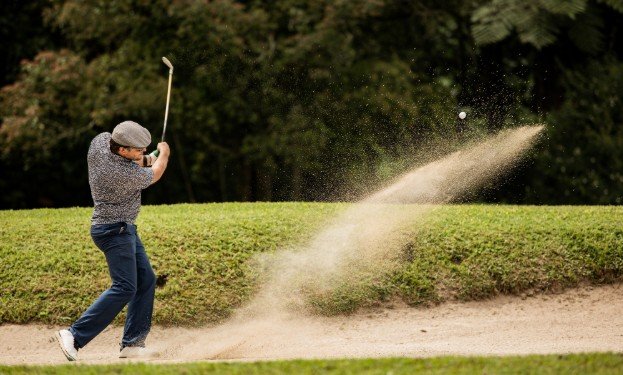
I used to think a wet course required nothing more than an umbrella and a positive attitude. Then I watched good shots plug into fairways, short putts stop beside the hole, and slightly heavy iron shots travel almost nowhere.
Learning how to play golf in wet conditions changed the way I approach these rounds. Success comes from preparing properly, protecting your grip, producing cleaner contact, and accepting that the course will play longer than its listed yardage.
Understand How a Wet Course Plays
Rather than trying to overpower these conditions, adjust your expectations. Plan shots according to their carry distance, choose conservative targets, and accept that scoring may be more difficult than it would be on a firm course.
Check the Conditions Before Leaving
Look at the forecast and contact the course before traveling. Heavy rain may cause delays, course closures, cart restrictions, temporary greens, or mandatory cart-path-only play.
Pay attention to lightning warnings as well. Rain may be uncomfortable, but lightning creates a serious safety risk. Stop playing when course officials sound an alarm or when threatening weather approaches, and move to the designated shelter.
Pack Essential Wet-Weather Equipment
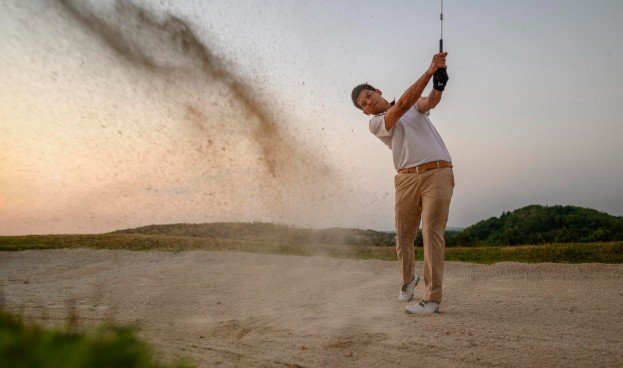
Preparation can prevent a challenging round from becoming miserable. Pack a waterproof jacket and pants that allow enough movement for a complete swing. Waterproof shoes are equally valuable because stable, dry feet make it easier to maintain balance.
I also recommend carrying rain gloves, an umbrella, spare socks, extra balls, a bag cover, and at least two towels, especially when you plan to play golf in windy conditions or wet weather. Keep one towel accessible for cleaning clubs and reserve another in a protected compartment for drying your hands and grips.
Keep Your Hands and Grips Dry
A secure connection with the club is essential. Store spare gloves in a sealed bag and place a dry towel beneath the umbrella or inside the golf bag. Dry the grip before every important shot instead of waiting until it becomes slippery.
Avoid squeezing the club excessively. Additional grip pressure creates tension in the hands and forearms, which can disturb rhythm and reduce clubhead speed. Rain gloves are designed to provide traction in damp weather and are normally more reliable than tightly gripping a soaked standard glove.
Take More Club and Swing Smoothly
Wet courses usually play longer because the ball receives little assistance after landing. Select a club based on the required carry rather than the distance you expect the ball to roll.
Taking one more club often allows you to make a controlled swing instead of forcing the shot. Aim for approximately 80 to 90 percent effort while maintaining your normal rhythm. A balanced finish is particularly important when the ground under your feet is slippery.
Make Ball-First Contact on Wet Fairways
Soft turf exposes even a slightly heavy strike. If the club reaches the ground before the ball, it can dig into the mud and lose considerable speed.
Keep your setup simple and focus on moving the low point of the swing beyond the ball. To build a repeatable golf swing, use a helpful practice thought: aim for a small spot just ahead of the ball. Do not attempt to scoop it into the air; the club’s loft will create the required launch when contact is clean.
If your shoes sink into the fairway, the ball may effectively sit higher relative to your body. Gripping down slightly can compensate, but avoid making a dramatic setup change.
Use a Safer Strategy from Wet Rough

Wet grass can grab the clubhead and close or slow the face through impact. Take enough club, maintain speed through the ball, and avoid attempting a low-percentage recovery.
When the lie is especially thick, prioritize returning the ball to the fairway. Trying to reach a distant green with a long club may produce poor contact and turn a manageable hole into a large score.
Adjust Your Short Game
A high-lofted lob wedge can dig into soft ground, particularly from a tight or muddy lie. When no obstacle must be carried, consider a pitching wedge, short iron, or hybrid and play a lower-running shot.
If you must pitch over a bunker or another hazard, a lob wedge may provide the necessary height. Keep the club moving through impact and clean and dry the grooves before playing because moisture between the clubface and ball can reduce friction, making launch and spin less predictable.
Soft greens may stop the ball quickly even when the shot produces less spin. That stopping action comes partly from the receptive surface, so do not automatically assume that a wet ball will generate additional spin.
Hit Wet-Green Putts More Firmly
Wet putting surfaces are normally slower and may produce less break than dry greens. Use a slightly firmer stroke while preserving your normal tempo. Do not jab at the ball in an effort to make it reach the hole.
Study every green separately because drainage, slope, grass type, and exposure can create different speeds during the same round. Before starting, hit several practice putts to learn how much the rain has affected pace.
Know the Rules for Temporary Water

Temporary water is an abnormal course condition. When it interferes with the ball, stance, or intended swing in an eligible area, free relief may be available. The nearest point of complete relief must not be closer to the hole, and the ball must be dropped within the permitted relief area.
An embedded ball may also qualify for free relief in the general area. Different procedures apply in bunkers and penalty areas, so confirm the applicable rule instead of moving the ball automatically.
Preferred lies, commonly called lift, clean, and place, are not automatically available whenever a course is wet. They must be introduced through a Local Rule. Check the scorecard, notice board, or instructions from the course before using them.
Protect the Course
Wet turf is vulnerable to damage. Follow cart restrictions, avoid driving through saturated areas, repair pitch marks, replace divots where appropriate, and keep carts away from greens and tees.
If walking causes water to rise around your shoes or the course has widespread standing water, conditions may be unsuitable for play. Respect any closure because protecting the course helps it recover more quickly.
Frequently Asked Questions
1. What is the best way to learn how to play golf in wet conditions?
Start by keeping your hands and equipment dry, selecting clubs according to carry distance, and practicing ball-first contact. Use a controlled swing, choose conservative targets, and spend time putting on damp practice greens so you can adjust to their slower pace.
2. Should I take more club when the course is wet?
Usually, yes. The ball receives less bounce and rollout, so an extra club can provide the required carry without forcing the swing. Consider wind, temperature, elevation, and the individual lie before making the final selection.
3. How can I avoid fat iron shots from soggy turf?
Maintain balance, avoid overswinging, and focus on striking the ball before the ground. If your feet sink into the turf, grip down slightly. Do not move the ball dramatically backward unless a qualified coach has recommended that adjustment for your swing.
4. Do wet greens break more or less?
Wet greens commonly play slower and may show less break because the ball travels with reduced speed. However, drainage differs across a course, so evaluate each putt independently instead of applying one adjustment to every green.
Final Thoughts
I now see a rainy round as a test of preparation and decision-making rather than perfect ball striking. I cannot control the weather, but I can keep my grips dry, carry the ball farther, choose sensible targets, and protect the course. When I accept slower greens and reduced rollout before teeing off, I stay patient and make better decisions throughout the round.