The first time I booked a tee time without friends, I expected the round to feel strangely quiet. Instead, I discovered that playing alone gave me something group golf rarely provides: complete control over the experience. I could walk at my preferred pace, think carefully about every shot, and appreciate parts of the course I normally overlooked.
Learning how to enjoy golf when playing alone begins with changing the purpose of the round. It does not have to feel like a lonely version of a foursome. A solo round can become a personal challenge, a focused practice session, or simply a peaceful few hours outdoors.
Know What Booking as a Single Means
Booking one spot does not necessarily mean you will play the entire course alone. At many American public, municipal, and resort courses, the starter may pair a single golfer with a twosome or threesome, particularly during busy weekend hours.
Call the pro shop before booking if having genuine solitude matters to you. Ask when singles are least likely to be paired. Weekday afternoons, twilight periods, and less crowded nine-hole courses generally provide better opportunities.
Remain open to being paired with strangers. Most golfers care less about your handicap than whether you maintain a reasonable pace, follow basic etiquette, and bring a positive attitude.
Choose a Purpose for Your Solo Round

A round becomes boring when it has no direction. Before reaching the first tee, choose one of three simple purposes:
If you are playing an unfamiliar course, understanding what course rating means in golf can also help you judge the challenge of the tees and set a more realistic scoring goal before you begin.
Play for Relaxation
Forget your final score and treat the course as a mental reset. Walk when practical, notice the scenery, and give yourself time to breathe between shots.
Play for a Score
Follow the Rules of Golf, use one ball, and complete your normal pre-shot routine. This approach reveals how you perform without conversation, competition, or pressure from playing partners.
Play for Practice
Choose one specific skill, such as approach-shot accuracy, club selection, or putting speed. Avoid trying to rebuild your entire swing during one round.
Try These 11 Solo Golf Ideas

1. Walk the Course
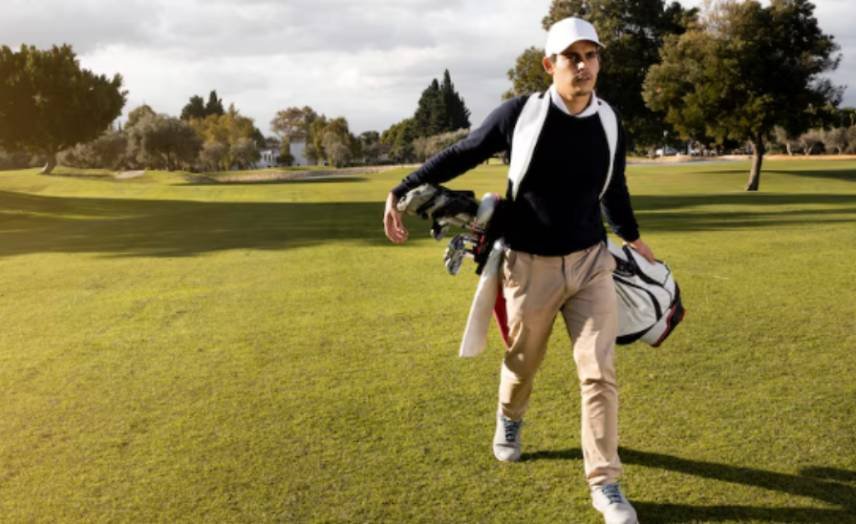
Walking creates a calmer rhythm and gives you time to plan the next shot. Carry a lightweight bag or use a pushcart so physical fatigue does not spoil the final holes. After a longer solo walk, a few golf cool down stretches after playing can also help you transition out of the round and address the stiffness that may build up through repeated swings and several miles on foot
2. Play Only Nine Holes
You do not need an entire afternoon to make solo golf worthwhile. Nine holes can provide enough golf to practice, relax, and return home before the experience becomes repetitive.
3. Play Two Different Strategies
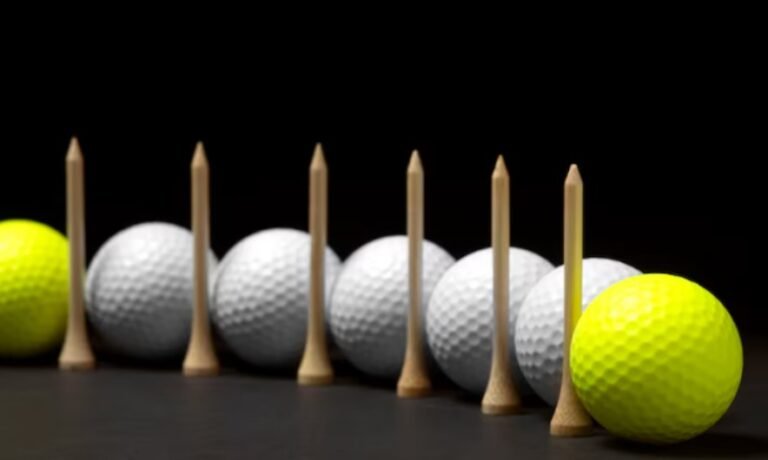
When the course is quiet and its policies permit practice balls, play one colored ball aggressively and another conservatively. Compare driver with a fairway wood, or a direct approach with a safer layup.
Never use extra balls when they will delay golfers behind you.
4. Create a Points Game
Award yourself one point for a fairway hit, one for reaching the green in regulation, and one for avoiding a three-putt. This keeps every hole interesting even after a poor score.
5. Try No-Score Golf
Put the scorecard away and measure success through execution. Count committed swings, smart decisions, or successful recovery shots instead of strokes.
6. Use a One-Club Challenge
Select one versatile club for a short stretch of holes. Playing with only a 7-iron, for example, encourages creativity and teaches distance control.
7. Build a Reliable Routine
Use the same process before every shot: find the yardage, select a target, visualize the flight, take one practice swing, and commit.
Solo rounds are also a useful time to notice whether your hands feel comfortable on the club, especially if you are still comparing overlap vs interlock golf grip and deciding which style gives you better control and consistency. A repeatable routine can transfer directly to competitive rounds.
8. Record Useful Statistics
Track fairways, greens, penalties, putts, and the approximate distance of your first putt. Keep data collection simple enough that it does not interrupt your pace.
9. Listen Safely
Music, podcasts, or audiobooks can make waiting more pleasant. Use only one earbud and keep the volume low enough to hear “fore,” approaching carts, maintenance equipment, and nearby players.
10. Appreciate Good Shots
Group golf often moves quickly from one person’s shot to another. Alone, pause briefly after a strong shot and remember what the contact, balance, and tempo felt like.
11. Set a Personal Course Challenge
Choose a realistic target, such as finishing three consecutive holes without a penalty, making every putt inside three feet, or selecting a specific target for every approach.
Handle Slow Groups Without Frustration
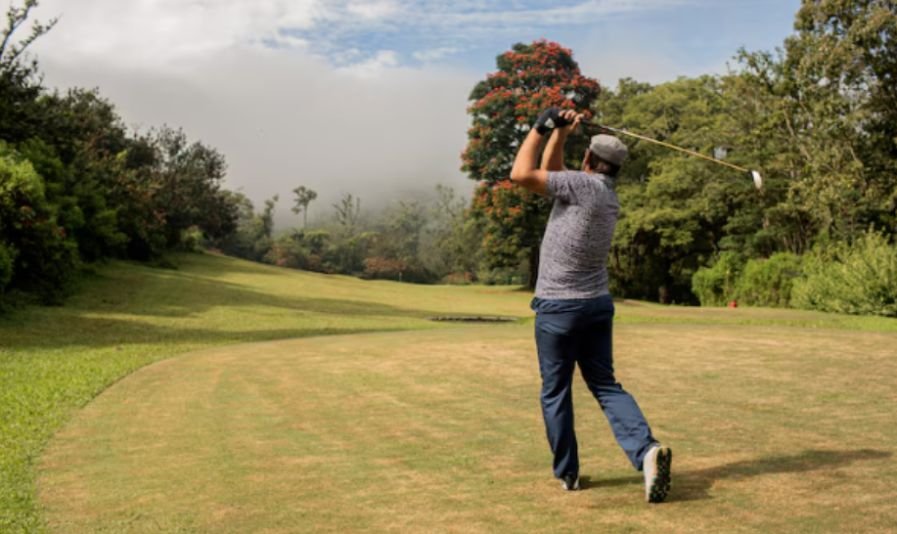
A single golfer usually moves faster than a group, but that does not create an automatic right to play through. Stay a safe distance behind the group ahead and never hit while players remain within range.
If invited through, thank the group, have your club ready, and move efficiently. If you cannot pass, use the waiting time to check yardage, clean clubs, repair an additional ball mark, or plan the next hole. Do not hit several practice balls unless the course is open and nobody behind you will be delayed.
Follow Essential Solo-Golf Etiquette
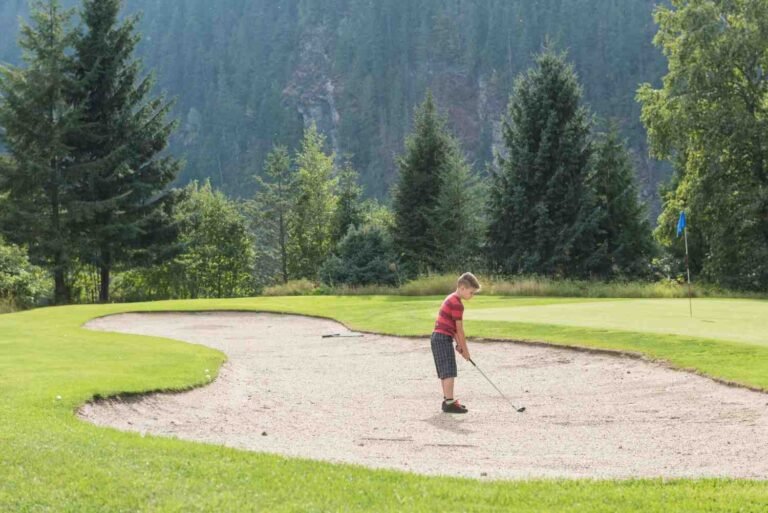
Maintain the same standards you would follow in a foursome. Repair ball marks, replace or fill divots, rake bunkers, obey cart restrictions, and keep up with the group ahead.
Playing alone also requires extra awareness. Check the weather, carry water, protect yourself from the sun, and tell someone when you expect to finish if you are playing during a quiet early or twilight period.
Frequently Asked Questions
1. How can a beginner enjoy solo golf?
Choose a quiet nine-hole course, play from suitable forward tees, keep a steady pace, and focus on one manageable goal rather than the total score.
2. How to enjoy golf when playing alone without getting bored?
Walk the course, play a points game, listen safely with one earbud, test different strategies, or complete a simple challenge on every hole.
3. Can I play multiple balls when alone?
Usually only when the course is quiet and local policies permit it. Play one ball whenever extra shots might delay another golfer.
4. How long does a solo round take?
An unobstructed round is often considerably faster than group golf. Course traffic, walking distance, ability, and cart policies ultimately determine the time.
My Final Take
I now see solo golf as one of the game’s most flexible experiences. I can use it to practice seriously, clear my mind, or enjoy nine unhurried holes without coordinating several schedules.
The secret is giving the round a purpose while respecting everyone else on the course. Pick a quieter tee time, create one enjoyable challenge, remain aware of your pace, and let solitude become an advantage rather than something to overcome.