Buying my first golf set should make the game easier, not bury me in specifications. When I think about how to choose golf clubs for beginners, I focus on forgiveness, easy launch, proper sizing, and a simple set makeup.
The Rules of Golf allow players to carry up to 14 clubs, but beginners do not need to fill every slot.
What Features Make Golf Clubs Easier for Beginners to Hit?
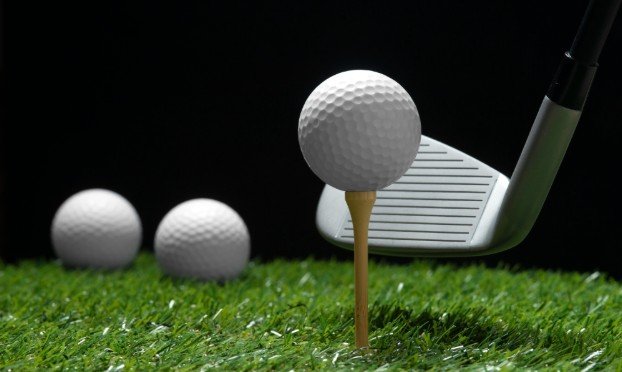
I look first for game-improvement or super game-improvement designs. Oversized clubheads give me a larger-looking target, while perimeter weighting improves stability on off-center strikes. A larger effective sweet spot can preserve distance on mishits, and wide soles help irons move through the turf without digging excessively. Perimeter weighting is widely used to increase moment of inertia and forgiveness.
That is why cavity-back irons usually make more sense for beginners than compact blades. At this stage, forgiveness, consistent contact, and easy launch matter more to me than advanced shot-shaping control.
What Golf Clubs Does a Beginner Actually Need?
A practical beginner golf club set can contain roughly nine to eleven clubs rather than the maximum 14. Complete and partial sets are commonly recommended to new players because they provide the essential clubs without unnecessary complexity.
I would consider a driver, a 3-wood or 5-wood, a 4-hybrid or 5-hybrid, 6-iron through 9-iron, pitching wedge, sand wedge, and putter.
For a beginner driver, I prioritize a forgiving clubhead and enough loft to launch the ball comfortably. About 10.5 to 13 degrees can be a useful starting range for many new golfers, although swing speed and impact delivery ultimately determine the right loft. Higher-lofted drivers can particularly help beginners who struggle to launch the ball.
Hybrids can replace difficult long irons because they generally provide easier launch and additional forgiveness. They can be especially useful when 3-irons and 4-irons become difficult to strike consistently.
Beginners who are unsure which longer club deserves a place in the bag can also compare hybrid vs fairway wood for high handicappers to understand the differences in launch, forgiveness, distance, and performance from the rough.
A pitching wedge and sand wedge cover most early short-game needs. For putting, I also like the idea of trying a mallet-style putter. High-MOI mallet designs can provide substantial stability and clear alignment features, although personal stroke and feel still matter.
What Shaft Flex Should a Beginner Choose?

Common golf shaft flex labels include ladies, senior or A-flex, regular, stiff, and extra-stiff. I would not automatically assume every beginner needs a soft shaft.
Swing speed, tempo, launch, strike pattern, and dispersion matter more than age, gender, or experience level alone. Many moderate-speed players may fit regular flex, while slower swings may benefit from softer options and faster swings may require greater stiffness.
Is Graphite or Steel Better for Beginner Golfers?
Graphite shafts are often lighter and can provide effective vibration dampening, while steel shafts are commonly heavier and remain popular in irons.
Modern graphite shafts now come in a very wide range of weights and flex profiles, so I would not treat graphite as equipment only for women, seniors, or slower swingers.
I would test both materials and choose whichever gives me the best combination of comfortable weight, speed, control, and consistent contact.
Should I Buy a Complete Golf Club Set or Build One?
For most first-time golfers, a complete box set is the simplest option. These packages commonly combine the essential clubs with a golf bag and sometimes headcovers, reducing the number of individual buying decisions a beginner has to make.
A package set generally wins on convenience, initial cost, and simplicity. I do not have to research separate drivers, irons, shafts, wedges, and putters before I even understand my own swing.
Building a golf bag piece by piece gives me far greater control over shaft specifications, lofts, grips, clubhead designs, and distance gaps. However, it can become significantly more complicated and expensive. I would choose this route once I have fitting information or know which parts of my current set need upgrading.
How Do I Choose the Correct Golf Club Length?

Height matters when sizing golf clubs, but I would not use height alone. Wrist-to-floor measurement can provide additional information because two golfers of the same height may have different arm lengths and setup positions.
Standard-length clubs fit many adults, but notably taller or shorter golfers should consider a basic static fitting instead of relying on a generic height chart.
I would also pay attention to grip size. A grip that feels excessively large or small can influence comfort and how naturally my hands work during the golf swing.
Does a Beginner Need a Golf Club Fitting?
A full premium fitting is not mandatory before my first trip to the driving range, but even a basic golf club fitting can prevent expensive purchasing mistakes.
A fitter can evaluate club length, lie angle, shaft weight, shaft flex, grip size, clubhead style, launch, and overall ball flight. Even golfers with very high handicaps can benefit from understanding whether their equipment suits their physical dimensions and swing.
If I am spending meaningful money on new golf clubs, I would rather use actual swing data than guess.
Should Beginners Buy New or Used Golf Clubs?
Used golf clubs can provide excellent value, especially when I am still discovering what equipment suits my game. Beginner-focused advice increasingly recommends package sets or secondhand clubs as sensible ways to enter the sport without immediately making a major equipment investment.
Game-improvement clubs from several seasons ago can still work well if they fit me and remain in good condition.
Before buying used equipment, I inspect the clubface, grooves, shaft, ferrule, grip, and head-to-shaft connection. Cosmetic scratches rarely concern me, but cracks, bent shafts, loose heads, severe face wear, or badly worn grips can turn a bargain into an unexpected repair bill.
New clubs provide fresh grips, warranty coverage, current fitting options, and newer designs. Used clubs can provide better value. I prioritize fit and condition over having the newest model.
How Should Beginners Test Golf Clubs Before Buying?
I never choose a golf club because of one perfect shot.
At a U.S. golf retailer, local pro shop, fitting studio, or driving range, I would hit several balls and compare launch, carry distance, dispersion, strike consistency, and overall comfort.
If a launch monitor is available, I use the data to compare my average results rather than chasing my longest shot. Testing before investing is especially useful when deciding between different shaft weights, flexes, and clubhead designs.
What Golf Club Buying Mistakes Should Beginners Avoid?
I avoid buying equipment because it looks advanced or because a tour professional uses it. Blades, very low-lofted drivers, extra-stiff shafts, and difficult long irons can make golf unnecessarily challenging when those specifications do not match my swing.
I also avoid buying 14 clubs simply because the rules permit them.
Lessons, driving-range practice, golf balls, shoes, and green fees may help my game more than filling every empty slot in the bag. I would rather start with forgiving equipment and add clubs when I can identify an actual distance or performance gap.
Frequently Asked Questions
1. How to choose golf clubs for beginners who have never played before?
I would start with a forgiving complete set or a simple combination of driver, fairway wood or hybrid, cavity-back irons, wedges, and a putter. I would check club length and shaft flex, prioritize easy launch and forgiveness, and add specialized clubs only after learning my distances.
2. Are hybrids better than long irons for beginners?
For many new golfers, yes. Hybrids can provide easier launch and more forgiveness than traditional 3-irons or 4-irons, making them useful from the fairway and rough.
3. How many golf clubs should a beginner carry?
There is no need to start with the maximum 14 clubs. A smaller set of roughly nine to eleven useful clubs can cover the major shots while keeping club selection simpler.
Building a First Golf Bag That Can Grow With Me
Learning how to choose golf clubs for beginners becomes much easier once I stop chasing the biggest set or newest technology. I want forgiving clubheads, sensible lofts, suitable shaft flex, correct sizing, useful wedges, and a putter I can aim confidently.
A complete set is often the easiest starting point, but quality used clubs or a carefully built partial set can work just as well. If I test equipment before buying and focus on clubs that make my misses less damaging, I can build a first golf bag that saves money, builds confidence, and stays useful as my swing improves.