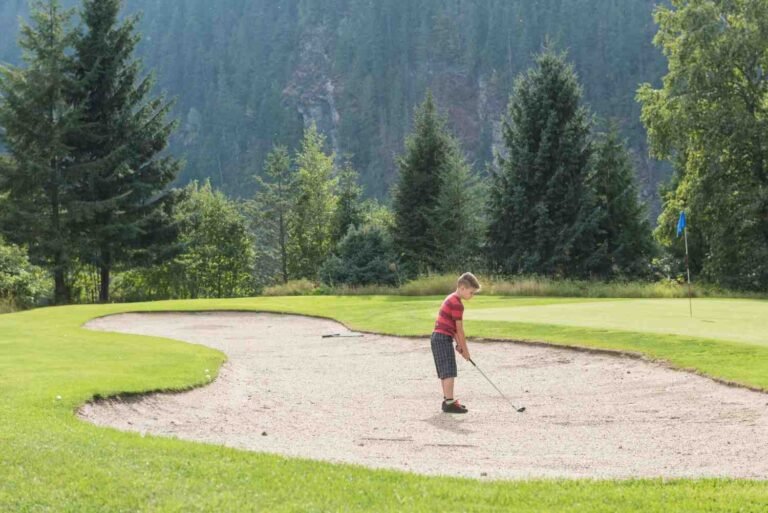

I have learned that a beautiful course is not necessarily the best place to play. A layout can look spectacular online yet feel too long, too difficult, too expensive, or simply wrong for the experience I want. When deciding how to choose the right golf course, I look beyond photographs and promotional claims. I compare the course with my ability, available time, preferred atmosphere, and total budget.
The goal is not to locate the most famous or difficult layout. It is to find a course that offers an enjoyable level of challenge and lets every golfer in the group play confidently.
Decide What You Want From the Round
Begin by defining the purpose of your golf day. A relaxed outing with friends requires something different from serious practice, a family round, or a competitive event.
A nine-hole or executive course can be ideal when time is limited. A full-length 18-hole layout may be more suitable when you want a traditional experience. Resort courses usually emphasize scenery and amenities, while municipal and public courses can provide convenient, affordable play.
If you are unfamiliar with that environment, knowing what to know before playing a public golf course without looking like a beginner can also make the experience more comfortable from check-in to the first tee. Private and semi-private clubs may offer additional services but can have access restrictions.
Knowing your priority prevents an impressive clubhouse or low advertised price from distracting you from what actually matters.
Match the Course to Your Ability

Evaluate Length From the Correct Tees
Never judge a course using only its maximum yardage. Open the scorecard and examine the distance from the tees you intend to play.
A golfer who drives approximately 175 yards may feel more comfortable on a course measuring around 4,500 yards. Someone driving about 225 yards may prefer approximately 6,000 yards. These figures are starting points rather than strict rules.
Pay attention to your approach shots. If ordinary par-4 holes repeatedly require a fairway wood or hybrid after a solid drive, the selected tees may be too long. Moving forward can improve pace, scoring opportunities, and enjoyment without making the round meaningless.
Understand Rating and Slope
Course Rating estimates the score a scratch golfer would be expected to produce under normal conditions. Slope Rating measures how much more difficult the layout becomes for non-scratch golfers compared with scratch players.
Slope can range from 55 to 155, while 113 represents standard relative difficulty. A higher number generally signals that mistakes will be punished more severely for higher-handicap players. However, slope should not be considered alone. Tee yardage, elevation, rough, wind, green contours, and hazards all affect playability.
Examine Hazards and Forced Carries
Two courses with identical yardage can play completely differently. Review the hole map for water, bunkers, trees, narrow landing areas, deep rough, and elevated greens.
Forced carries deserve special attention. Check how far the ball must travel to clear water, landform like ravines, waste areas, or front bunkers from your chosen tees.
If you rely on distance-measuring technology during a round, understanding golf watch vs golf rangefinder can also help you choose the tool that makes judging hazards and carry distances easier
Beginners and shorter hitters usually benefit from wide fairways, open approaches, limited forced carries, and safe bailout areas.
Check Current Course Conditions
A respected course can still provide a disappointing round after aeration, overseeding, heavy rain, or construction. Look for recent condition reports rather than relying exclusively on old photographs.
Call the golf shop and ask whether all greens are open, carts can leave the paths, bunkers are playable, and maintenance is scheduled. Also check recent golfer reviews for repeated comments about green quality, drainage, rough, pace, and temporary holes.
Use reviews to identify patterns. One angry rating may reveal little, but several recent complaints about the same problem deserve attention.
Calculate the Complete Cost

The advertised green fee may represent only part of the expense. Before booking, confirm whether the quoted rate includes a cart and taxes. Look for booking charges, range balls, club rental, caddie requirements, gratuities, cancellation penalties, and dynamic pricing.
Compare morning, afternoon, weekday, and twilight rates. A slightly higher fee can offer better value when it includes a cart, practice balls, excellent conditions, and reasonable tee-time spacing. The cheapest reservation is not a bargain if poor maintenance or a six-hour round spoils the day.
Review Facilities and Services
The importance of amenities depends on your plans. Players working on their game may value a driving range, putting green, short-game area, and professional instruction. Travelers may need rental clubs, locker rooms, dining, and reliable cart service.
Beginners should confirm that rental equipment and lessons are available. Families and mixed groups may need shorter course options, restrooms around the property, flexible tees, and a welcoming dress code.
Accessibility also matters. Ask about accessible carts, walking difficulty, elevation changes, parking, and distance between holes when anyone in the group has mobility concerns.
Consider Availability and Pace of Play

A nearby course that consistently offers convenient tee times may be more useful than a celebrated layout requiring a long drive. Review travel time, traffic, booking windows, cancellation rules, and seasonal demand. These practical tips to golf more comfortably can help you avoid unnecessary travel and inconvenient starting times.
Also think about whether the course gives you enough room to play your usual shot shape. A tight layout lined with trees or hazards can make a recurring slice especially costly, so working through how to fix a golf slice step by step before tackling a demanding course can make the round far more enjoyable.
Ask the golf shop about the usual round duration and tee-time intervals. Closely packed reservations often produce delays. Early morning tee times may offer smoother greens and faster play, while twilight rounds can reduce costs but create a risk of not finishing before dark.
Weather should influence the decision too. Wind can transform an exposed layout, and intense heat can make a walking course exhausting. Check the forecast before the cancellation window closes.
Use a Simple Final Checklist
Before confirming the reservation, answer these questions:
- Does the course offer tees that match every player’s distance?
- Are the forced carries manageable?
- Does the slope provide an enjoyable challenge?
- Are recent course-condition reports positive?
- What is the complete cost after fees and extras?
- Are the necessary practice and rental facilities available?
- Can the group finish within its available time?
- Do the cancellation and rain-check policies feel reasonable?
If a course satisfies most of these requirements, it is likely a stronger choice than one selected only for reputation or scenery.
Frequently Asked Questions
1. How to choose the right golf course as a beginner?
Look for shorter yardage, forward tees, wide fairways, limited forced carries, moderate slope, practice facilities, rental clubs, and a relaxed pace. A par-3, executive, or nine-hole layout can provide an easier introduction.
2. What is a good Slope Rating for a casual golfer?
There is no universal perfect number, but a rating near the standard of 113 often offers manageable difficulty. Consider it alongside yardage, hazards, terrain, and your handicap.
3. Is a public or private course better?
Public courses provide flexible access and pay-per-round pricing. Private clubs may offer consistent conditions, social benefits, and easier member booking, but usually require dues or an invitation.
4. Should I trust online golf course reviews?
Use recent reviews to identify recurring comments about greens, pace, staff, and value. Do not make a decision based on one unusually positive or negative rating.
Make Every Round Worth Playing
I choose a course by asking whether it fits the people, purpose, and conditions of that particular round. I compare the scorecard, current maintenance, full price, facilities, accessibility, and expected pace before booking.
A famous name cannot compensate for an unsuitable layout. When I select a course that matches my distance and priorities, I spend less time struggling with preventable problems and more time enjoying the game. That is ultimately what turns an ordinary tee time into a round worth remembering.