If you regularly lose strokes to slices, heavy iron shots, thin contact, or long approaches that never get airborne, the right equipment can make a noticeable difference. I don’t believe new clubs can replace lessons or practice, but modern game-improvement equipment can reduce how severely poor contact punishes you.
When I look for the best golf clubs for high handicappers, I focus on forgiveness, high launch, stability, useful distance, and confidence at address. High-MOI drivers, hybrid-iron combinations, perimeter-weighted irons, wider soles, and properly fitted shafts can all make the game easier without forcing you to swing harder.
What Golf Clubs Should a High-Handicap Golfer Carry?
A high-handicap setup should make difficult shots simpler rather than preserving a traditional bag just because that is what better players carry.
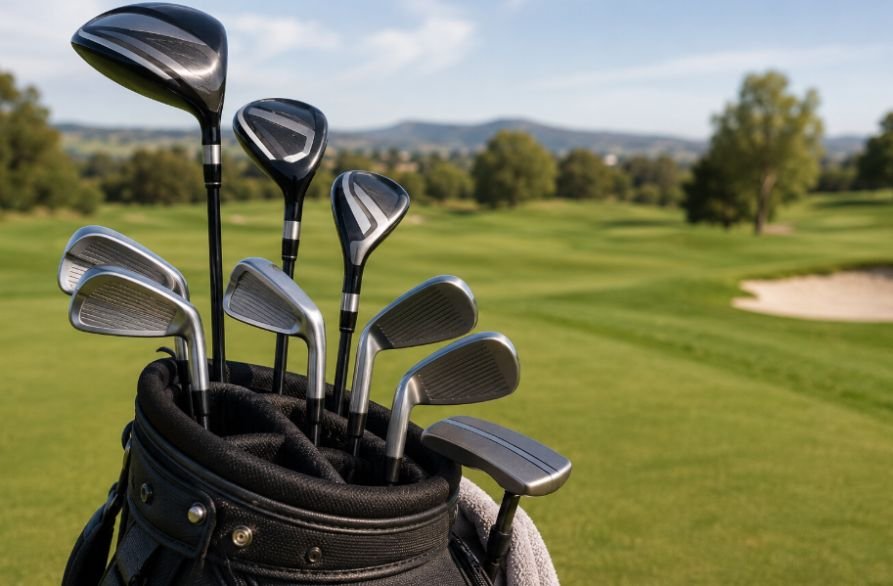
I would start with a forgiving driver, a higher-lofted fairway wood, one or two hybrids, game-improvement irons, forgiving wedges, and a stable putter. Many recreational golfers can benefit from replacing a 3-, 4-, or even 5-iron with a hybrid.
Golfers still building their first set can also start by understanding what golf clubs do you really need as a beginner, then add or replace clubs as their swing, confidence, and course needs develop.
Hybrids place the center of gravity deeper than traditional long irons, which can help produce higher launch and more consistent contact. Current equipment testing also continues to favor hybrids for players who need forgiveness and easier launch from both fairway and rough.
That does not mean every high handicapper needs identical clubs. I would build the bag around your swing speed, common miss, preferred trajectory, course conditions, and budget.
What Type of Driver Is Best for a Golfer Who Slices?
For players who consistently lose the ball to the right, a draw-biased driver can be one of the most useful equipment changes.
Manufacturers create draw bias by moving more mass toward the heel. That weighting can help the clubface rotate toward square more easily through impact. Callaway, for example, describes its current Quantum Max D driver as using added heel weighting to promote draw bias and help reduce a slice.
I would also prioritize high MOI. A high-MOI driver resists twisting when contact occurs away from the center of the face, helping preserve direction and ball speed on mishits. Recent high-handicap driver testing continues to emphasize forgiveness, draw bias, high launch, and stability as key buying factors.
Adjustable loft and lie settings can also help, but I would use them as fitting tools rather than constantly changing them between rounds.
Why Are Perimeter-Weighted Irons Easier to Hit?
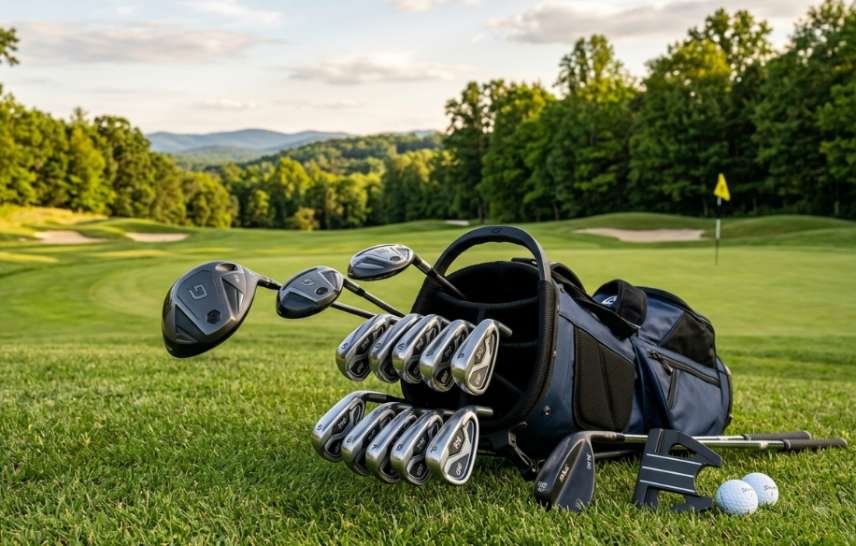
Game-improvement irons often use cavity-back or hollow-body construction to redistribute mass around the head instead of concentrating it directly behind the center of the face.
That perimeter weighting improves stability and can help maintain useful ball speed when you strike the heel or toe.
Wide soles matter too. A wider sole can move through turf more efficiently and reduce excessive digging when you hit slightly behind the ball. PING’s G740, for example, combines a wider sole, longer blade length, and lower center of gravity to increase MOI and forgiveness.
For a golfer who regularly hits fat shots, I would value that turf interaction just as much as additional distance.
Does Offset Help High-Handicap Golfers Hit Straighter Shots?
Offset places the leading edge of the clubface slightly behind the shaft.
That design gives the clubhead a little more time to rotate toward square before impact, which can help golfers who consistently leave the face open. Offset can also move the center of gravity farther back, helping promote higher launch.
I would not automatically choose the maximum amount of offset available, because some golfers dislike the appearance at address. But for players who fight a slice and struggle with long irons, significant offset can be genuinely useful.
The key is matching the design to your actual miss instead of choosing the smallest, cleanest-looking iron simply because it resembles a tour model.
Should High Handicappers Replace Long Irons With Hybrids?
For most recreational golfers, I think this is worth testing.
A traditional 3-iron or 4-iron requires enough speed and consistent contact to produce useful height and carry. A hybrid generally has a wider sole, deeper center of gravity, and more forgiving head shape.
That can help get the ball airborne quickly while maintaining distance on off-center contact.
Higher-lofted fairway woods can serve a similar role. Some golfers may find a 7-wood easier than either a hybrid or a long iron. Recent testing has shown how lofted fairway woods can produce higher launch and greater stopping power than comparable long irons.
I would choose whichever option gives you the tightest dispersion and most reliable carry distance.
Are Graphite Shafts Better for High-Handicap Golfers?
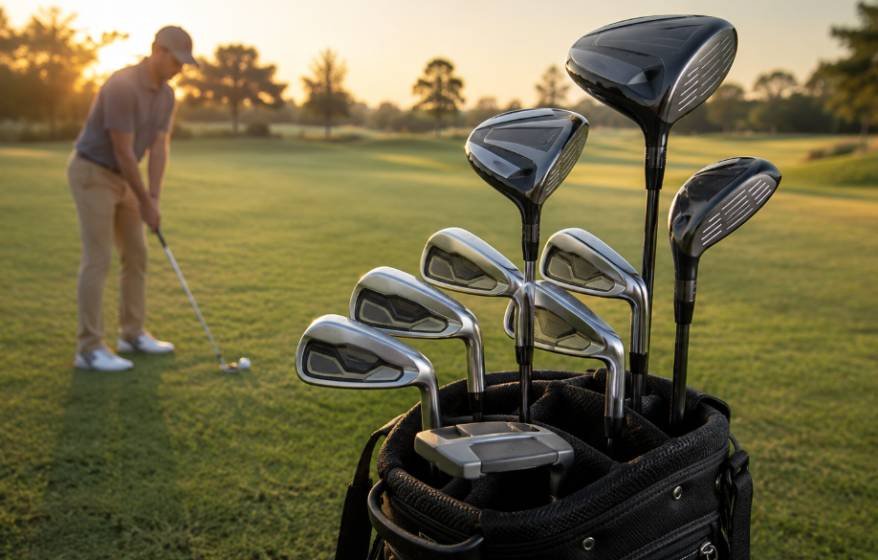
Graphite shafts can be an excellent choice, particularly for golfers with moderate or slower swing speeds.
Because graphite designs can be lighter than many steel alternatives, they may help some players generate additional clubhead speed without swinging harder. They can also reduce vibration, which some golfers prefer for comfort.
However, graphite is not automatically better.
Shaft weight, flex, torque, and overall feel need to match your tempo. A shaft that is too soft can make timing difficult, while one that is too heavy or stiff can reduce speed and launch.
I would rather get fitted for a mid-priced club with the correct shaft than buy a premium head with a shaft that does not suit my swing.
Why Do High-Loft Clubs Help Slower Swing Speeds?
Golfers with slower swing speeds often struggle to generate enough launch and spin to keep the ball in the air.
Higher-loft profiles can help create lift without requiring additional clubhead speed. That is why I often prefer a 5-wood or 7-wood over a strong 3-wood for players who have difficulty launching fairway woods from the ground.
The same principle applies to irons. A high-launch game-improvement design can make it easier to produce playable carry distances. Current 2026 game-improvement iron testing continues to favor models built around high launch, fast ball speed, and forgiveness.
Distance only helps if the ball stays in the air long enough to use it.
What Type of Wedges Are Most Forgiving?
Wedges deserve the same attention to forgiveness as the rest of the bag.
High-bounce wedges with wider soles can resist digging into turf and sand. For golfers who regularly hit chunked pitches or take deep divots, that extra bounce can make the club more forgiving through impact.
I would also look at cavity-back wedges if consistency matters more than shot-making versatility. Current wedge buying guidance notes that cavity-back designs can provide additional forgiveness, especially in higher-lofted wedges.
Course conditions still matter. Golfers who play on soft turf or fluffy bunkers may benefit from more bounce, while firm conditions may require a different sole configuration.
What Design Features Make Golf Clubs More Forgiving?
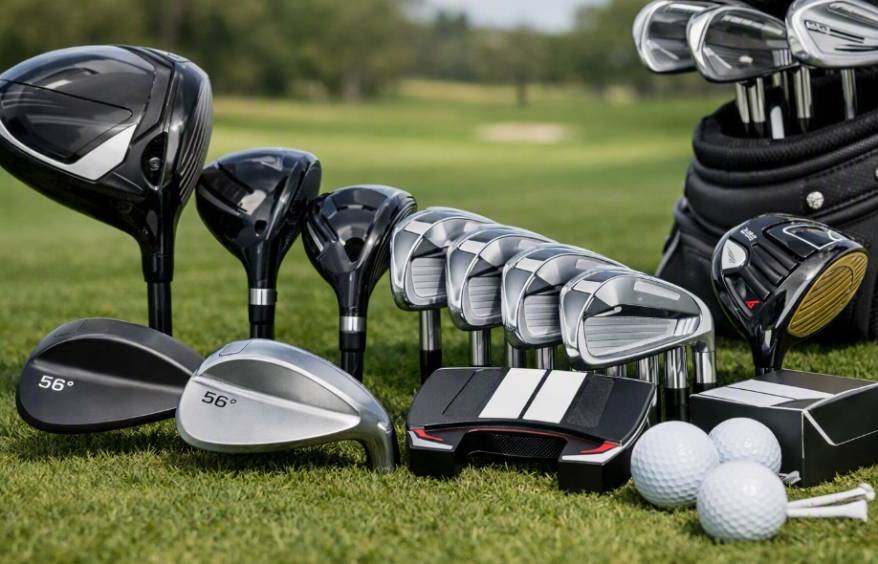
When comparing equipment, I focus on a handful of structural features rather than cosmetics.
A wide sole improves turf interaction. Significant offset can help golfers square the face. Perimeter weighting can stabilize off-center strikes. High MOI reduces twisting. A deeper or lower center of gravity can encourage easier launch. Graphite shafts may help some players generate more speed, while higher loft can benefit golfers who struggle to get the ball airborne.
These technologies all solve slightly different problems.
That is why the best golf clubs for high handicappers should not simply be the biggest or most expensive models in the store. The right clubs are the ones whose design features address your specific misses.
Should High-Handicap Golfers Get Custom-Fitted?
Yes, especially if you are buying a full set.
A fitting can evaluate club length, lie angle, shaft weight, shaft flex, loft, launch, spin, carry distance, and dispersion. A fitter can also determine whether you actually need draw bias or whether your current club setup is contributing to poor contact.
I would pay particular attention to dispersion rather than chasing the longest shot during a fitting.
Ten drives that finish within a predictable area are more useful than one spectacular drive surrounded by nine wild misses.
For US golfers, fitting access is widely available through manufacturer fitting centers, golf specialty retailers, independent club fitters, and many larger courses. Comparing several models using the same launch monitor and ball can make the decision much more objective.
How Much Should a High Handicapper Spend on Golf Clubs?
I would spend according to how often you play and how long you expect to keep the clubs.
A new golfer who plays a few times each year may get better value from a complete set or previous-generation game-improvement equipment. Current beginner sets commonly combine a forgiving driver, fairway wood, hybrid, shorter iron set, wedges, and putter rather than forcing beginners to carry difficult long irons.
If you play every weekend, a fitted set may justify the additional cost.
Used clubs can also offer excellent value in the US market. A forgiving driver or cavity-back iron from a few seasons ago does not become ineffective simply because a newer generation reaches retail shelves.
Frequently Asked Questions
1. What are the easiest golf clubs for a high handicapper to hit?
Hybrids, high-loft fairway woods, game-improvement irons, high-MOI drivers, and forgiving cavity-back wedges are usually among the easiest options. They place more emphasis on launch and stability than workability.
2. Should a 20-handicap golfer use game-improvement irons?
In many cases, yes. Game-improvement irons can provide higher launch, stronger forgiveness, and better performance on heel and toe strikes. The final decision should still depend on ball striking and fitting results rather than handicap alone.
3. Should high handicappers carry a 3-iron?
I usually would not carry one unless it produces reliable launch and distance. A hybrid, 5-wood, or 7-wood can often provide a more forgiving alternative.
4. Are expensive clubs always more forgiving?
No. Price reflects materials, branding, technology, and product positioning, but it does not guarantee that a club fits your swing. A less expensive game-improvement model may outperform a premium players’ club for an inconsistent ball striker.
5. What are the best golf clubs for high handicappers with slow swing speeds?
I would prioritize lightweight shafts, higher lofts, forgiving hybrids, high-launch irons, and fairway woods that are easy to elevate. A fitting can determine whether graphite shafts and additional loft improve your carry distance.
Final Thoughts
I would build a high-handicap golf bag around consistency rather than ego.
Start by identifying the shots that cost you the most strokes. If you slice, test a draw-biased driver. If long irons barely leave the ground, replace them with hybrids or lofted fairway woods. If you hit behind the ball, look at wider soles and appropriate wedge bounce. If speed is limited, test lighter graphite shafts and higher-launch profiles.
Modern game-improvement equipment works because manufacturers move weight, change sole geometry, increase MOI, alter offset, and optimize center-of-gravity placement to make imperfect contact more playable.
The result should not be a bag that simply looks forgiving. It should be a bag that makes your typical misses less expensive on the scorecard.