Watching golf on TV often makes every swing look effortless. In reality, many beginners struggle with thin shots, topped balls, and inconsistent contact.
One simple adjustment changed everything for me: following a proper golf ball position guide. Learning where the ball should sit for each club can improve accuracy, launch, and distance faster than many swing changes.
Beginner Needs This Golf Ball Position Guide
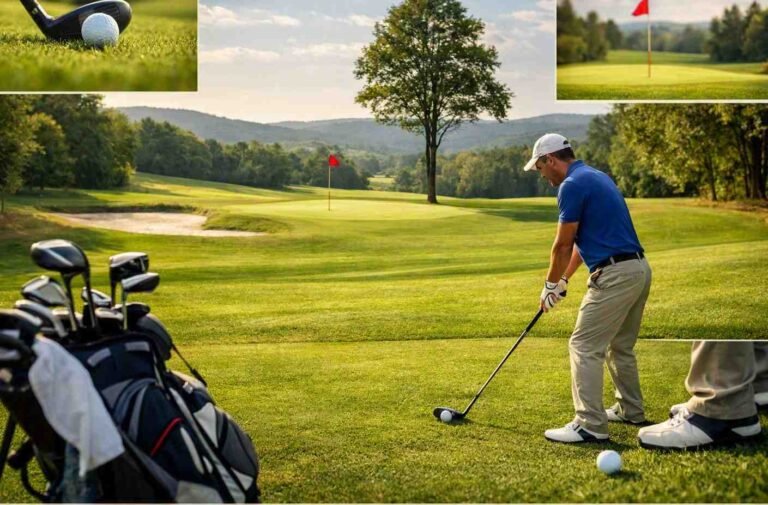
Before worrying about swing speed or expensive equipment, it helps to understand where the golf ball belongs in your stance.
Many new golfers focus entirely on their backswing and forget that setup is the foundation of every shot.
Before adjusting ball position, first understand a simple golf setup for a beginner because posture, stance, grip, and alignment all affect where the ball should sit. A poor ball position can make even a good swing produce disappointing results.
Think of ball position like placing a key into the right lock. When the ball sits in the correct spot, the club reaches impact at the perfect moment, helping you hit cleaner and more consistent shots.
Understanding The Swing Arc
Knowing how the club moves through impact makes ball positioning much easier.
What Is The Swing Arc?
During a golf swing, the clubhead travels in a circular path called the swing arc. The club reaches a lowest point before moving upward again.
Ball position determines where impact occurs within that arc. When the ball is placed correctly, the clubface can strike it with the ideal angle and loft.
Why Contact Matters
Solid contact is one of the biggest differences between beginners and experienced golfers. Proper setup allows the clubface to meet the ball more consistently, leading to straighter shots, improved distance, and better ball flight.
The Golden Rule
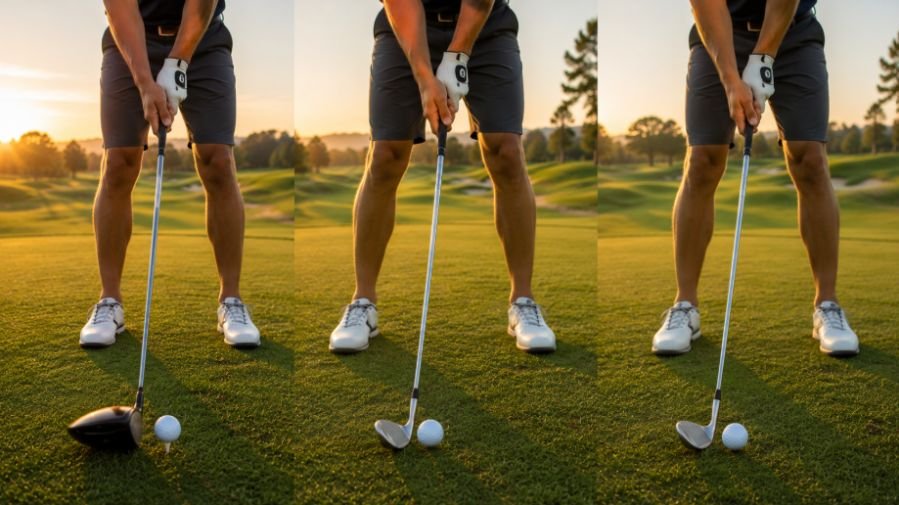
As clubs get longer, the ball gradually moves forward in your stance. Short irons stay near the center, while the driver moves all the way toward the lead heel. This simple rule forms the foundation of every reliable golf ball position guide.
Ball Position Guide By Club
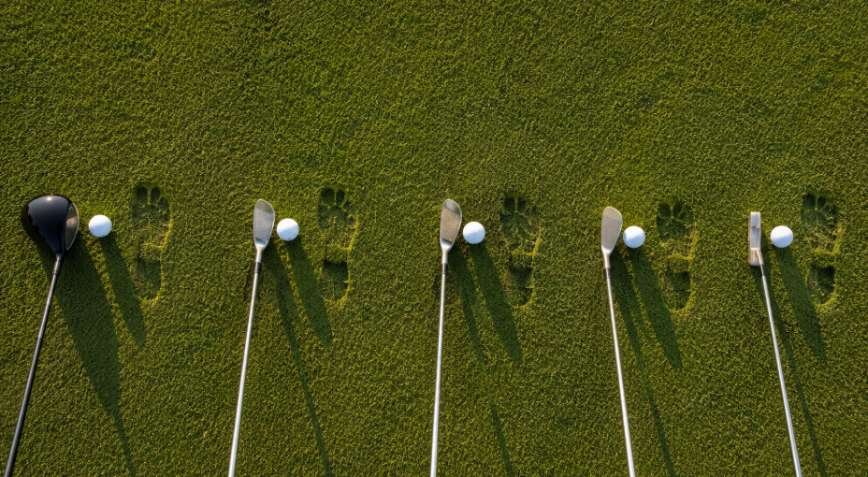
The correct ball position changes slightly with each club in your bag.
Wedges And Short Irons
These clubs include the pitching wedge, gap wedge, sand wedge, and 9-iron. The ball should sit in the center of your stance. A narrower stance helps promote a steeper angle of attack, allowing the club to strike the ball before the turf.
This setup encourages better spin, cleaner contact, and a higher launch angle. Most scoring shots around the green become easier when the ball remains centered.
Mid Irons
Mid irons typically include the 8-iron, 7-iron, and 6-iron. Move the ball slightly forward of center, roughly two golf ball widths ahead of the middle of your stance. Keep your feet about shoulder-width apart.
This position creates an ideal balance between distance and control. It helps the club strike downward while still producing strong ball flight and consistent carry distance.
Long Irons And Hybrids
Long irons and hybrids are designed for longer approach shots and greater distance. Place the ball forward of center, approximately two inches inside your lead heel. A slightly wider stance improves balance and stability.
Because these clubs have longer shafts and less loft, the forward position gives the clubface more time to square at impact. This helps maximize distance while reducing thin shots.
Master Fairway Woods Setup
Fairway woods require a slightly different approach from irons.
Finding The Correct Position

Position the ball two to three inches inside your lead heel. Your stance should be wider than it would be with an iron.
This placement helps create the sweeping motion fairway woods are designed to produce. It also promotes cleaner contact from the turf.
Creating Better Launch
Many beginners place fairway woods too far back in their stance. Allowing the ball to sit forward helps the club glide through impact naturally, producing better launch conditions and more carry distance.
Avoiding Common Errors
Resist the urge to hit down aggressively. Fairway woods perform best when the club brushes the grass lightly while striking the ball just before reaching the bottom of the swing arc.
Driver Position For Maximum Distance
The driver is unique because it is the only club designed to be hit on a slight upswing.
Place It Off The Lead Heel
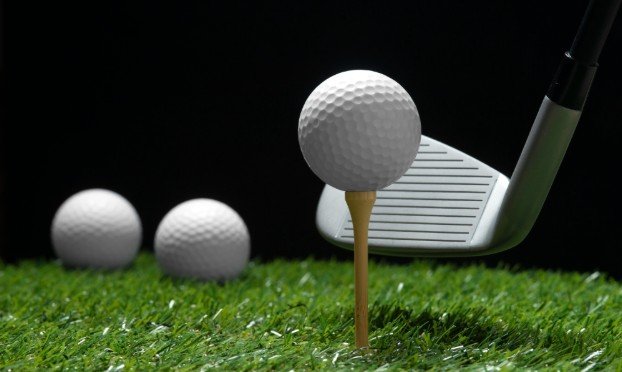
Position the golf ball directly off your lead heel or slightly inside it. This forward location allows the clubhead to catch the ball after passing the lowest point of the swing arc.
Build A Stable Base
Use your widest stance with your feet positioned slightly outside shoulder width. A stable base improves balance and makes it easier to generate clubhead speed without losing control.
Add A Small Spine Tilt
Tilt your upper body slightly away from the target. This setup encourages an upward strike, helping reduce spin and optimize launch angle for greater carry and overall distance.
Put This Golf Ball Position Guide Into Action

Understanding the concepts is only the first step. Consistent practice helps turn correct ball positioning into a natural habit.
Start by placing alignment sticks on the practice range. Use one stick for target alignment and another to mark ball position. This creates a visual reference that reinforces proper setup.
As you practice, check your stance before every shot. Staying relaxed during practice also matters, so beginners should learn how to reduce stress while playing golf instead of letting tension affect their setup and contact.
Repeating the same routine builds confidence and improves consistency. Over time, correct ball position becomes automatic and requires less conscious thought.
Ball Position For Different Shot Types
Experienced golfers often make small adjustments to control trajectory and shot shape.
Hitting Higher Shots
Moving the ball slightly forward can help increase launch angle. This adjustment is useful when trying to carry hazards or stop the ball more quickly on the green.
Hitting Lower Shots
Positioning the ball slightly farther back can reduce trajectory. Many golfers use this technique when playing into strong winds or on firm courses.
Draws And Fades
Small ball position changes may influence shot shape. A slightly forward position can encourage a draw, while a slightly back position may help produce a fade. These adjustments should remain subtle for beginner golfers.
Frequently Asked Questions
1. Is golf good for spinal stenosis?
Golf may help some people stay active and improve mobility, but spinal stenosis affects everyone differently. Consult a healthcare professional before playing regularly, especially if twisting movements increase discomfort or pain.
2. Which US state has the fewest golf courses?
Alaska is generally recognized as the U.S. state with the fewest golf courses. Its colder climate, shorter playing season, and lower population contribute to fewer golf facilities compared with other states.
3. Is a golf ball good for plantar fasciitis?
A golf ball can be useful for gentle foot massage and stretching exercises. Rolling the foot over a golf ball may help relieve tension temporarily, but it should not replace professional medical treatment.
4. Is golf good for Parkinson’s?
Golf can support balance, coordination, mobility, and social interaction for some individuals with Parkinson’s disease. Many players find regular practice beneficial, but exercise plans should always be discussed with a healthcare provider.
Tee Up Success With This Golf Ball Position Guide
A reliable golf ball position guide can make a bigger difference than many golfers realize. By matching ball position to each club, you give yourself the best chance of solid contact, proper launch, and consistent distance.
Keep practicing these fundamentals, trust your setup, and let the correct ball position become the foundation of every great golf shot.