

Most new golfers get this wrong at least once. You show up at the range, pull a glove out of the bag, and suddenly realize you have no idea which hand it goes on. Here is the short answer: you wear a golf glove on your lead hand, which is the hand closest to the target at address.
For a right-handed player, that is the left hand. For a left-handed player, that is the right hand. Everything else in this article builds from that one rule, so keep reading and you will understand exactly why the glove lives on that hand, how it should fit, and when to pull it off.
What Hand Do You Wear a Golf Glove On? The Definitive Rule
The answer traces back to something called the golf glove dominant hand rule. Despite the word “dominant,” this rule is not about which hand you write with. It is about which hand does the most gripping work during the swing. Your lead hand grips the club at the top of the handle, takes the most friction from the shaft, and is the first hand to wear down under repeated shots. The glove protects that hand and keeps grip pressure consistent even when your palms get sweaty.
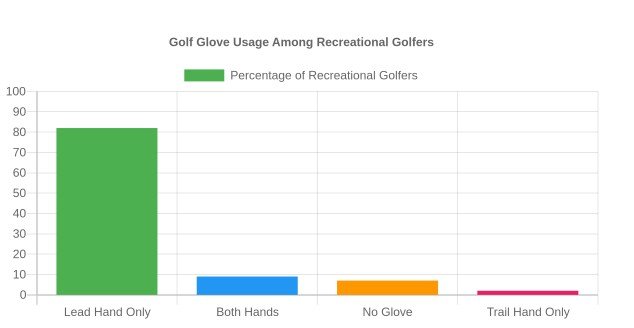
The golf glove dominant hand rule is simple in practice: identify your lead hand, put the glove on it, leave the other hand bare. That single sentence covers roughly 98% of recreational golfers on any given weekend.
Which hand wears a golf glove also matters because of how the grip is taught. Whether you use an interlocking, overlapping, or ten-finger grip, the lead hand forms the foundation. The trail hand wraps around or over it. So the lead hand is exposed to significantly more club rotation and skin friction than the trail hand, and that is the hand that benefits from the leather or synthetic cabretta material sitting between your palm and the grip tape.
Golf Glove Hand for Right Handed Golfer
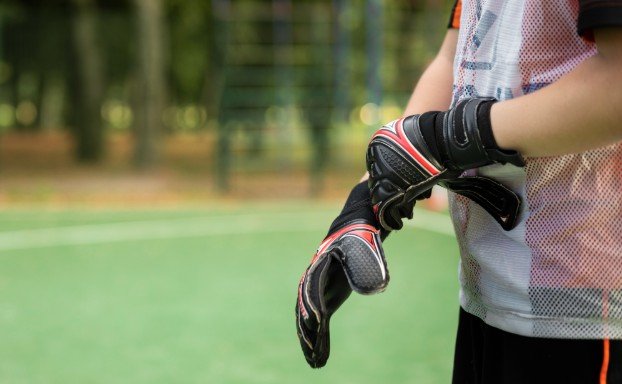
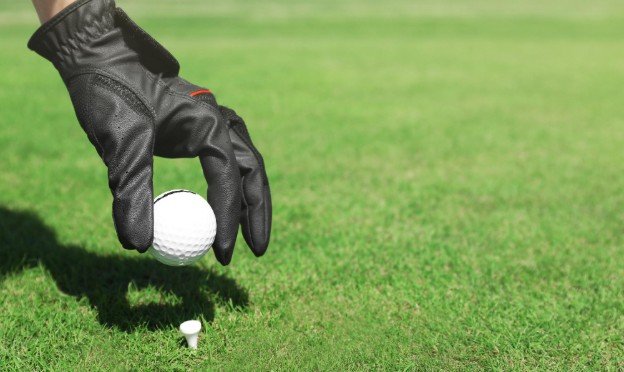
If you are a right-handed golfer, your lead hand is your left hand. Full stop. The golf glove hand for right handed golfer is always the left hand, and every major manufacturer sizes and labels gloves this way by default. When you walk into a golf shop and grab a glove off the rack without checking the label, it is almost certainly designed for the left hand because right-handed golfers make up the overwhelming majority of the market.
The confusion usually comes from everyday life. You write, throw, and use tools with your right hand, so the instinct is to protect the right hand. But your right hand is your trail hand in golf. It does not grip the club at the top; it wraps underneath with a lighter touch. Less friction, less need for protection, less reason for a glove.
A practical way to remember it: your left thumb runs straight down the grip when you are a right-handed golfer. That thumb gets the most direct shaft contact. Glove goes on the left hand. Done.
Golf Glove Hand for Left Handed Golfer
For a left-handed golfer, everything flips. The golf glove hand for left handed golfer is the right hand, because the right hand is the lead hand for a lefty. Your right hand sits at the top of the grip, your right thumb runs down the shaft, and your right palm takes the friction. You need a glove specifically labeled as a right-hand glove, sometimes listed as “RH” or “Cadet Right.”
Left-handed golfers often have to be more deliberate about finding the correct glove because the selection in physical stores skews heavily toward right-handed options. Golf.com’s gear team notes that several top glove brands now stock left-handed options online even when they do not appear on store shelves. Worth checking before you drive across town.
Which hand wears a golf glove always mirrors the lead hand. Lefty? Glove on the right. Righty? Glove on the left. The underlying logic never changes regardless of handedness.
Why Golfers Wear One Glove (and Not Two)
This question comes up constantly, and the honest answer involves both grip physics and tradition. Why golfers wear one glove on only the lead hand comes down to what each hand actually does during a golf swing. The trail hand needs tactile sensitivity to regulate pressure and feel the clubface angle through impact. Cover it with a glove and you lose some of that feedback. The lead hand, by contrast, primarily needs to hold on, not feel. It anchors; the trail hand guides.
There is also a historical dimension. Early golf gloves were made from thick leather, and wearing two of them significantly reduced feel across both hands. Players found that one glove on the lead hand gave them protection and grip security without sacrificing touch on the trail side. The habit stuck, and now it is so deeply embedded in the game that wearing two gloves reads as unusual even when it is not against any rule.
Why golfers wear one glove is also partly about temperature regulation. Your trail hand is the first to cramp in cold weather, so keeping it bare lets it flex more freely. In genuinely cold conditions, some players do reach for two gloves, but that is a weather decision rather than a technique one.
Can You Wear Golf Gloves on Both Hands?
Yes, you can wear golf gloves on both hands. There is no rule in the USGA or R&A rulebooks that bans wearing two gloves. Can you wear golf gloves on both hands and still play well? Plenty of golfers do, particularly beginners who get blisters easily or players with arthritis who need protection across both hands.
Can you wear golf gloves on both hands as a long-term strategy? Honestly, most teaching pros would push back on that unless you have a specific physical reason for it. The feel argument is real. Your trail hand’s sensitivity drops noticeably under a glove, and for short game shots, putting feel, and chip finesse, that matters. Even Tommy Gainey, who famously wore two gloves on tour, was considered an outlier rather than a model to copy.
If you are brand new to the game and your palms are raw from the range bucket, wearing two gloves in the short term is completely reasonable. However, two gloves are among the golf accessories beginners do not need permanently, so plan to transition to one as your hands become accustomed to the grip.
Golf Glove Left Hand vs Right Hand: Which Label to Buy
Glove labels can trip you up in the store. The golf glove left hand vs right hand labeling refers to which hand the glove is designed to fit, not which hand you grip with. So a glove labeled “Left Hand” or “LH” is designed to fit on your left hand. A right-handed golfer needs a “Left Hand” glove because their lead hand is their left hand. A left-handed golfer needs a “Right Hand” glove.
The golf glove left hand vs right hand distinction seems backwards until you internalize it. The label tells you the physical hand it covers. Here is a quick reference:
| Your Playing Style | Lead Hand | Glove Label to Buy | Example Product Label
|
|---|---|---|---|
| Right-Handed Golfer | Left Hand | Left Hand (LH) | FootJoy StaSof LH |
| Left-Handed Golfer | Right Hand | Right Hand (RH) | Titleist Players RH |
What Hand Should Beginners Wear a Golf Glove On?
Beginners have enough to think about without a glove debate slowing them down. What hand should beginners wear a golf glove on? Same answer as everyone else: the lead hand. Right-handed beginners, left glove. Left-handed beginners, right glove. Following the standard from day one builds the correct habit without having to unlearn anything later.
What hand should beginners wear a golf glove on also matters from a protection standpoint. New golfers swing the club hundreds of times at the range trying to build muscle memory. Their hands are not conditioned for that kind of repetitive grip friction. A glove on the lead hand prevents the blisters and calluses that would otherwise show up after a two-hour session. Sore hands the next morning make it harder to grip correctly, which creates bad swing compensations. Start with the glove.
For beginners, I would also recommend a synthetic glove over a premium leather one. Synthetic materials like the kind used in the FootJoy WeatherSof line handle sweat better and wear more slowly, which means they survive the high-volume range sessions that beginners put them through. Save the cabretta leather for when you are already striking the ball consistently.
How Should a Golf Glove Fit?
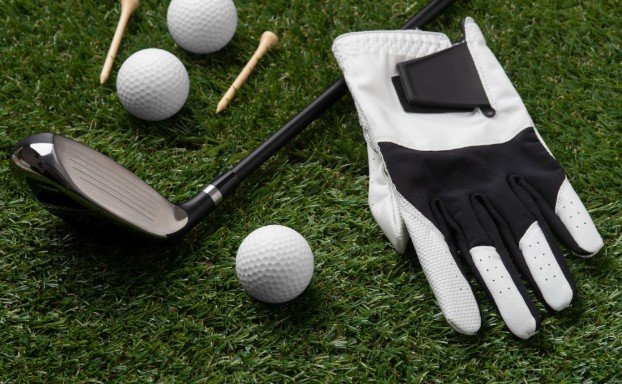
A glove that does not fit correctly defeats the entire purpose. How should a golf glove fit? Think of it like a second skin. There should be no bunching at the palm, no extra material at the fingertips, and no tightness across the knuckles. The Velcro closure at the wrist should fasten comfortably without pulling the glove tight enough to restrict your wrist hinge.
How should a golf glove fit across the fingers specifically? Each fingertip should sit flush with the end of the glove. If you see a quarter inch of empty glove material past your fingertip, size down. If your fingertips press against the glove material and bunch the leather, size up or look for a “Cadet” version, which features shorter fingers and a wider palm, designed for hands with that particular proportion.
“A glove that is too big is worse than no glove at all. Excess material in the palm creates friction points that actually increase the chance of blisters, and it bunches under your grip during the swing, which kills your feel and consistency.”
Roger Cleveland, veteran club designer and equipment consultant, speaking to the MyGolfSpy gear team during a glove testing roundup.
One test that works every time: make a fist with the glove on. The leather should feel snug and smooth across the back of your hand without pulling at the seams. Now open your hand flat. No bunching, no gapping. If you pass both checks, the fit is right.
When Should You Take Off a Golf Glove?
Knowing when should you take off a golf glove is just as important as knowing which hand it goes on. Most experienced golfers remove the glove for two specific situations: putting and short chip shots around the green.
When should you take off a golf glove on the putting green? Almost always. The putter grip is held very lightly compared to a full swing, and feel is everything when you are reading a six-foot putt. The glove adds a thin but noticeable layer between your fingers and the grip, which can dull the tactile feedback you need to control distance and pace. Ben Crenshaw, one of the greatest putters in history, was famously particular about bare hands on the putter.
When should you take off a golf glove between shots? This is where most beginners miss a trick. Wearing your glove while you walk between holes, ride in the cart, and mark your scorecard causes the leather to absorb sweat and wear down faster. Pull the closure tab loose, hang the glove from your bag or fold it back over your hand, and let it air out. A premium glove that retails for around 25 to 30 dollars can last two to three times longer if you air it between shots.
The only time skipping removal makes sense is during a fast-paced round when you are hitting chip-and-run shots in sequence, or when the humidity is so high that the glove has already soaked through. In that case, a dry replacement glove matters more than the airing habit. Carrying spare gloves is also part of the best golf gear for fall weather, when cool temperatures and damp conditions can make moisture management especially important.
The Quick-Fit Checklist Before Every Round
Run through this before you hit your first tee shot. It takes under two minutes and saves you from adjusting mid-round.
- Confirm you have the correct glove for your lead hand (left for right-handed, right for left-handed).
- Slide the glove on fully so your fingers sit flush with the fingertip seams.
- Fasten the wrist tab snugly but not tight enough to feel a pull when you hinge your wrist back.
- Make a fist and check for bunching in the palm area.
- Open your hand flat and check that no material gapes away from your skin.
- Take one practice swing and confirm the glove does not shift on your hand during the swing path.
- Pack at least one backup glove in your bag for the back nine, especially in warm or humid conditions.
What Hand Do You Wear a Golf Glove On? A Framework for Every Situation
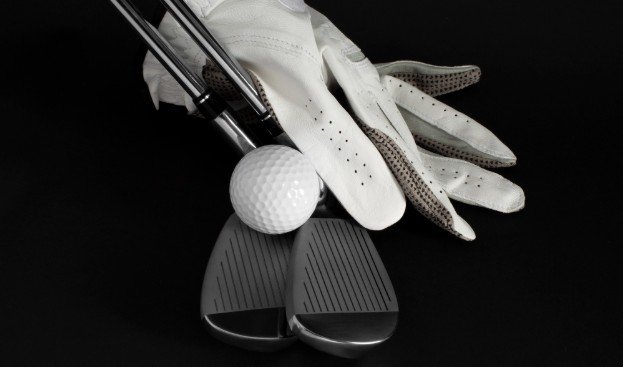
Here is a simple decision framework I call the Lead-Feel-Condition model. It covers every glove scenario you will realistically face on the course.
Lead: Always glove the lead hand first. This is non-negotiable regardless of skill level, grip style, or weather. Which hand wears a golf glove is always the lead hand. Right-handed: left glove. Left-handed: right glove.
Feel: Remove the glove when feel matters more than grip security. Putting is the clearest case. Delicate chips around the fringe qualify too. If you are within 30 yards of the flag and using a finesse motion rather than a full swing, bare hands give you better tactile information.
Condition: Add a second glove when weather forces it. Cold, wet, or brutal wind can make a second glove a reasonable trade-off even with the feel loss. In truly soaked conditions, rain gloves worn on both hands outperform bare skin by a significant margin because they actually grip better when wet, which is the opposite of leather behavior.
That three-part model answers every glove question you will face. Lead hand always gloved. Putting hand always bare. Second glove only when conditions demand it.
Glove Lifespan and When to Replace
A glove will not last forever, and playing with a worn-out one is worse than no glove at all. Here is what a realistic lifespan looks like by usage type:
| Golfer Type | Rounds Per Glove | Signs It Needs Replacing
|
|---|---|---|
| Weekend Recreational (1 round/week) | 15 to 20 rounds | Thinning palm leather, visible holes, stiffness |
| Avid Player (3 to 4 rounds/week) | 8 to 12 rounds | Seam separation at thumb, grip slippage |
| Range Regular (2+ hours/week practice) | 6 to 10 sessions | Glaze on palm, dye transfer to grip tape |
| Beginner (heavy range use) | 4 to 6 sessions | Any bunching, cracking along finger seams |
The thumb is almost always the first place to wear through. When you see the leather thinning at the base of your lead hand’s thumb, start looking for a replacement. Do not wait for a hole to appear.
A Note on Putting and the Barehand Tradition
A handful of tour professionals putt with their glove on. Jordan Spieth has been photographed keeping his on for certain chip shots. But the overwhelming consensus among tour caddies and teaching professionals is to remove the glove on the green. The reasoning comes back to feel, which has been covered above, but there is also a ritual component worth acknowledging.
Removing the glove signals a mental shift from power mode to precision mode. It is a small, physical cue that tells your brain you are switching contexts. Golfers who putt poorly often benefit from adding small pre-shot rituals, and glove removal is one of the easiest to build into a routine without any extra equipment or time. Remove it, fold it back, breathe, and read the putt.
Answering the Edge Cases
A few scenarios that do not fit cleanly into the standard rules are worth addressing directly, including practical questions such as how much does top golf cost compared with a traditional round.
Cross-dominant players: If you swing right-handed but write left-handed, the rule still applies based on your swing orientation, not your writing hand. The golf glove dominant hand rule is about your lead hand in the golf swing. Glove goes on the left for a right-handed swing, always.
Arthritis or sensitivity: If you have joint sensitivity or skin conditions on your trail hand, wearing a second glove is a perfectly sensible accommodation. Function over tradition. The golf glove left hand vs right hand convention is a guideline, not a mandate from the USGA rulebook.
Rain conditions: Standard leather gloves become slippery when wet. Rain gloves are designed to grip better in wet conditions, and in a proper downpour, many players wear two rain gloves simultaneously. This is one of the clearest cases where can you wear golf gloves on both hands has a practical yes answer.
Hot weather sweating: If your lead hand sweats heavily, consider a synthetic all-weather glove over cabretta leather. The Bionic StableGrip and similar gloves use perforated synthetics that breathe better than full-leather options. Cabretta feels better when dry but degrades faster under heavy perspiration.
Conclusion
The answer to what hand do you wear a golf glove on takes about four seconds to explain: lead hand, always. But understanding why that rule exists, how the glove should fit, and when to pull it off separates the players who use gear correctly from those who fight their equipment every round. Your lead hand does the anchoring work. Protect it. Your trail hand does the feeling work. Leave it bare. And when the putter comes out, ditch the glove entirely and let your fingertips do their job.
If you are still gaming the same glove from three seasons ago, do yourself a favor and replace it before your next round. A fresh glove on the correct hand is one of the easiest single-dollar improvements you can make to your grip confidence. What is holding your glove game back right now?