
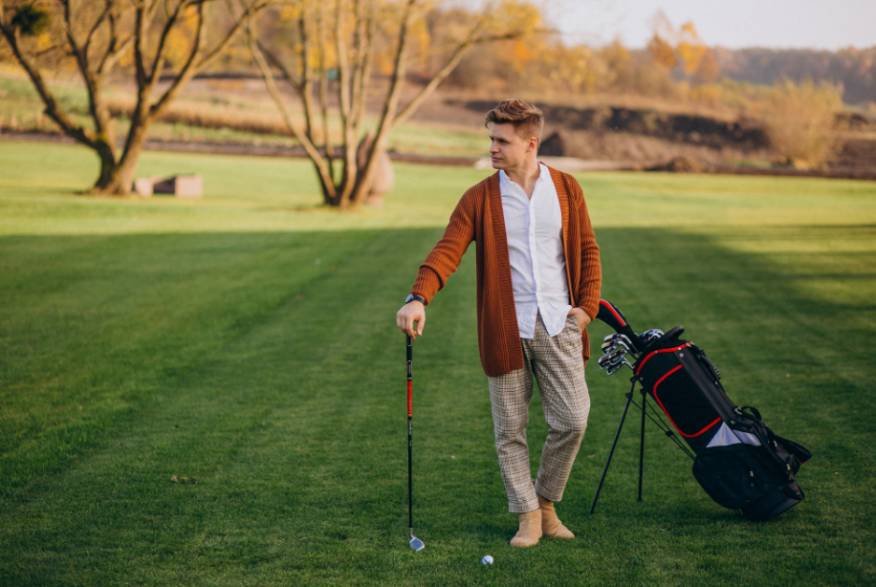
I still remember how uncertain I felt before one of my first rounds. I had clubs and a few golf balls, but I did not know whether I needed special shoes, a glove, food, or half the accessories displayed in the golf shop. Learning what to bring to a golf course helped me arrive prepared without filling my bag with expensive items I would never use.
The basic formula is simple: pack the equipment required to play, dress for the course and weather, bring enough water, and carry a few small tools that support good etiquette. Here is everything a beginner needs for a comfortable first round.
Essential Golf Equipment
Golf Clubs and a Suitable Bag
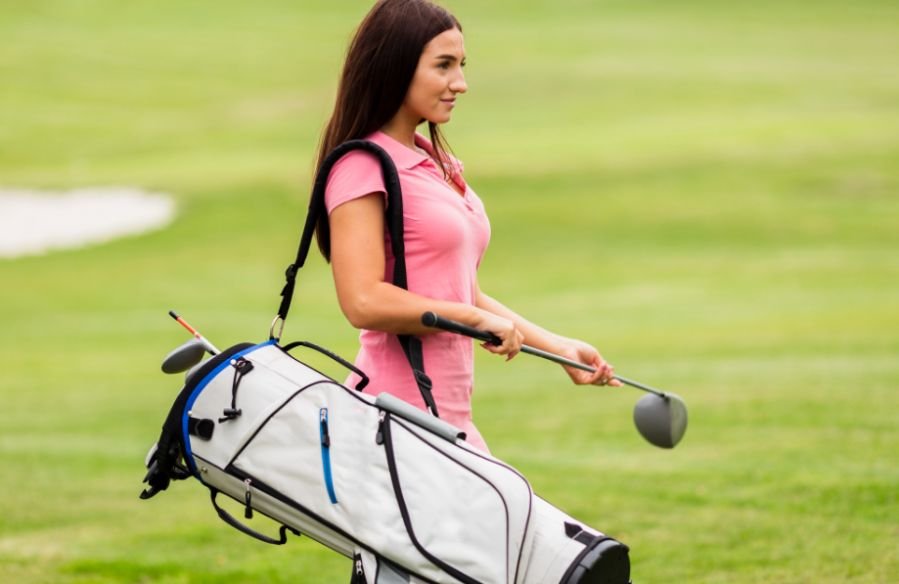
You need clubs, but you do not need a complete 14-club collection for your first round. A smaller set containing a driver or fairway wood, hybrid, several irons, a wedge, and a putter is sufficient for most beginners.
If your first round will be at a public facility, it also helps to understand what to know before playing a public golf course without looking like a beginner, including check-in procedures, tee-time expectations, local policies, and basic etiquette before you arrive.
If you do not own clubs, contact the course before your tee time and ask about rental sets. Confirm whether left-handed, right-handed, junior, or shorter sets are available. Avoid assuming that you can share with another player because some courses require each golfer to have an individual bag.
Choose a lightweight stand bag if you plan to walk. A larger cart bag is suitable when you will ride, but its additional weight can become uncomfortable when carried.
Golf Balls and Tees
Bring between six and twelve affordable golf balls. New golfers often lose balls in water, trees, long grass, or out-of-bounds areas, so carrying only one sleeve can create unnecessary pressure. Difficult courses may justify packing a few extras.
Mark each ball with a permanent marker so you can identify it. Pack approximately 10 to 15 tees in different lengths. Tees are inexpensive, easy to lose, and sometimes break after one swing.
Golf Glove and Towel
A properly fitted glove improves grip and can prevent blisters. Right-handed golfers generally wear one on the left hand, while left-handed golfers usually wear one on the right. A spare glove is helpful in wet or humid conditions.
Attach an absorbent towel to your bag. Use it to clean clubfaces and golf balls or dry your hands and grips. Keeping grooves clean can improve contact and makes your equipment easier to maintain.
Ball Marker and Divot-Repair Tool
A ball marker lets you lift your ball from the putting green without losing its position. A coin can work, although a dedicated marker is easier to keep in your pocket.
Carry a divot-repair tool to repair ball marks on greens. These small accessories demonstrate good course etiquette and help keep play moving smoothly.
What to Wear for a Round of Golf
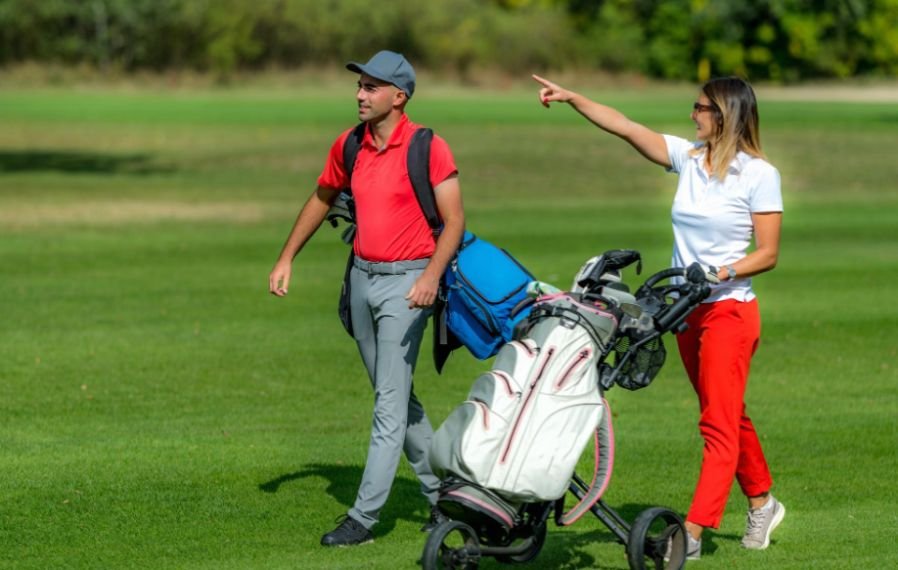
Dress requirements vary considerably. Some facilities welcome neat athletic clothing, while others require collared shirts and prohibit denim, cargo shorts, or certain footwear. Check the current dress code before leaving home.
Choose breathable clothing that permits a full range of motion. Pairing comfortable golf apparel with a few dynamic stretches for golfers before playing can also help prepare your hips, shoulders, and torso for repeated swings once you reach the course.
Choose breathable clothing that permits a full range of motion. Golf shorts, lightweight trousers, skirts, or skorts are common options. Wear comfortable moisture-managing socks because a round may involve several hours of walking.
Golf shoes provide traction, but beginners do not always need to purchase them immediately. Clean athletic shoes with stable soles may be acceptable. Avoid footwear with aggressive traditional metal spikes unless the facility specifically permits them.
A hat or visor and UV-protective sunglasses can improve comfort during bright conditions.
Protection From Changing Weather
Check the forecast, but prepare for conditions to change. Apply broad-spectrum sunscreen before playing and carry enough to reapply during a long round. Lip balm with sun protection is another useful addition.
For rain, pack a lightweight waterproof jacket, an umbrella, a bag cover, and an extra glove. In cooler weather, bring a flexible sweater or vest that does not restrict your swing. Spare socks can make the rest of the round considerably more comfortable if the course is wet.
If you hear thunder or the course activates a warning system, stop playing and follow its evacuation instructions. Do not treat a tree, open shelter, or ordinary golf cart as reliable lightning protection.
Food, Water, and Personal Essentials
A round can last several hours, so bring a refillable water bottle when outside drinks are permitted. Pack simple snacks such as fruit, nuts, or an energy bar. Confirm the facility’s rules before carrying outside food, alcohol, or a personal cooler.
Bring identification, a payment method, necessary medication, and a few adhesive bandages for cuts or blisters. Keep your phone charged and on silent. A portable charger can be useful if you rely on a scoring or GPS application.
Avoid packing valuables you will not use. Golf bags contain many open pockets and may be left unattended outside the clubhouse.
What to Confirm Before You Leave
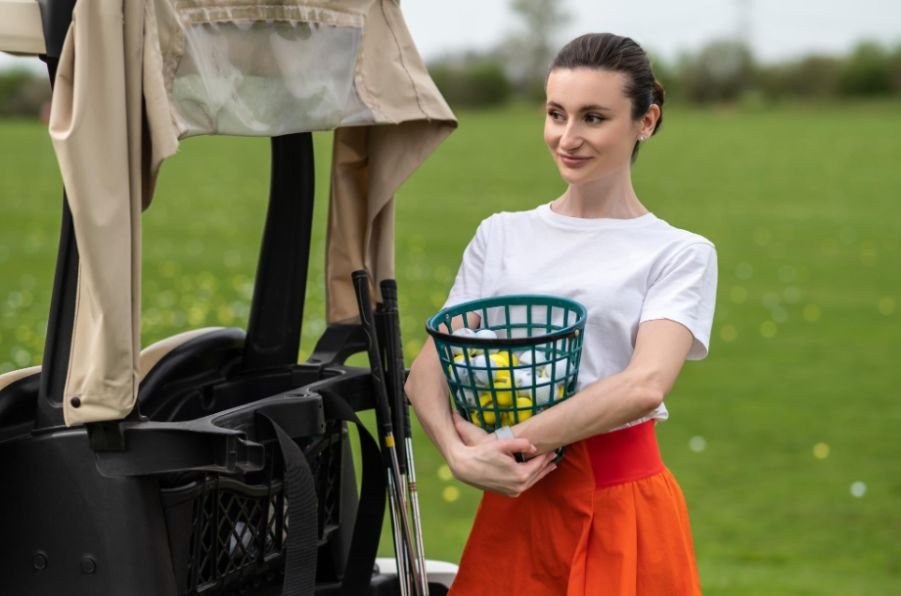
Preparation involves more than filling a bag. Confirm your tee time, the booking name, the number of players, and whether you will play nine or 18 holes. Ask whether you will walk, use a push cart, or ride in a golf cart.
Beyond packing, knowing how to prepare for a round of golf can help you organize your arrival time, warm-up, hydration, equipment checks, and first-tee routine so the day starts without unnecessary stress.
Reserve rental equipment in advance and review the cancellation, food, footwear, and dress policies. Check whether the facility has a practice range and whether range balls are included.
Plan to arrive approximately 30 to 45 minutes early. This gives you time to park, check in, pay, collect rentals, organize your bag, and warm up without delaying your group.
Items Beginners Can Skip
You do not need premium balls, an expensive rangefinder, advanced swing trainers, multiple specialized wedges, or a full professional club set to drive a golf ball effectively. A free GPS application may provide enough yardage information while you learn.
A portable speaker is also unnecessary and may not be permitted. Begin with functional essentials, observe what experienced players use, and add accessories only when they solve a genuine problem.
Frequently Asked Questions
1. What to bring to a golf course for the first time?
Bring or reserve clubs and a bag, six to twelve balls, tees, a glove, towel, marker, divot tool, suitable clothing, stable shoes, water, sunscreen, identification, payment, and weather protection.
2. Do I need golf shoes for my first round?
Not necessarily. Many facilities permit clean athletic shoes with reliable traction. Confirm the footwear policy before arriving.
3. Can I rent golf clubs?
Many public facilities offer rental sets, but availability is not guaranteed. Reserve the correct set when booking your tee time.
4. How many golf balls should a beginner carry?
Six to twelve affordable balls should be enough for most beginners. Bring more if the layout contains numerous water hazards or areas where balls are difficult to recover.
5. Can I bring food and water?
Policies vary. Many facilities permit water and small snacks but restrict outside alcohol, large coolers, or certain foods. Check before packing.
Final Thoughts
I have found that a well-prepared golf bag makes the entire experience calmer. When I know that my equipment, clothing, water, and weather protection are ready, I can concentrate on enjoying the course instead of worrying about something I forgot.
Keep your first packing list practical. Confirm the facility’s policies, arrive early, and avoid purchasing advanced equipment before you know what genuinely benefits your game. The goal is not to own everything—it is to have enough to play safely, comfortably, and respectfully.